

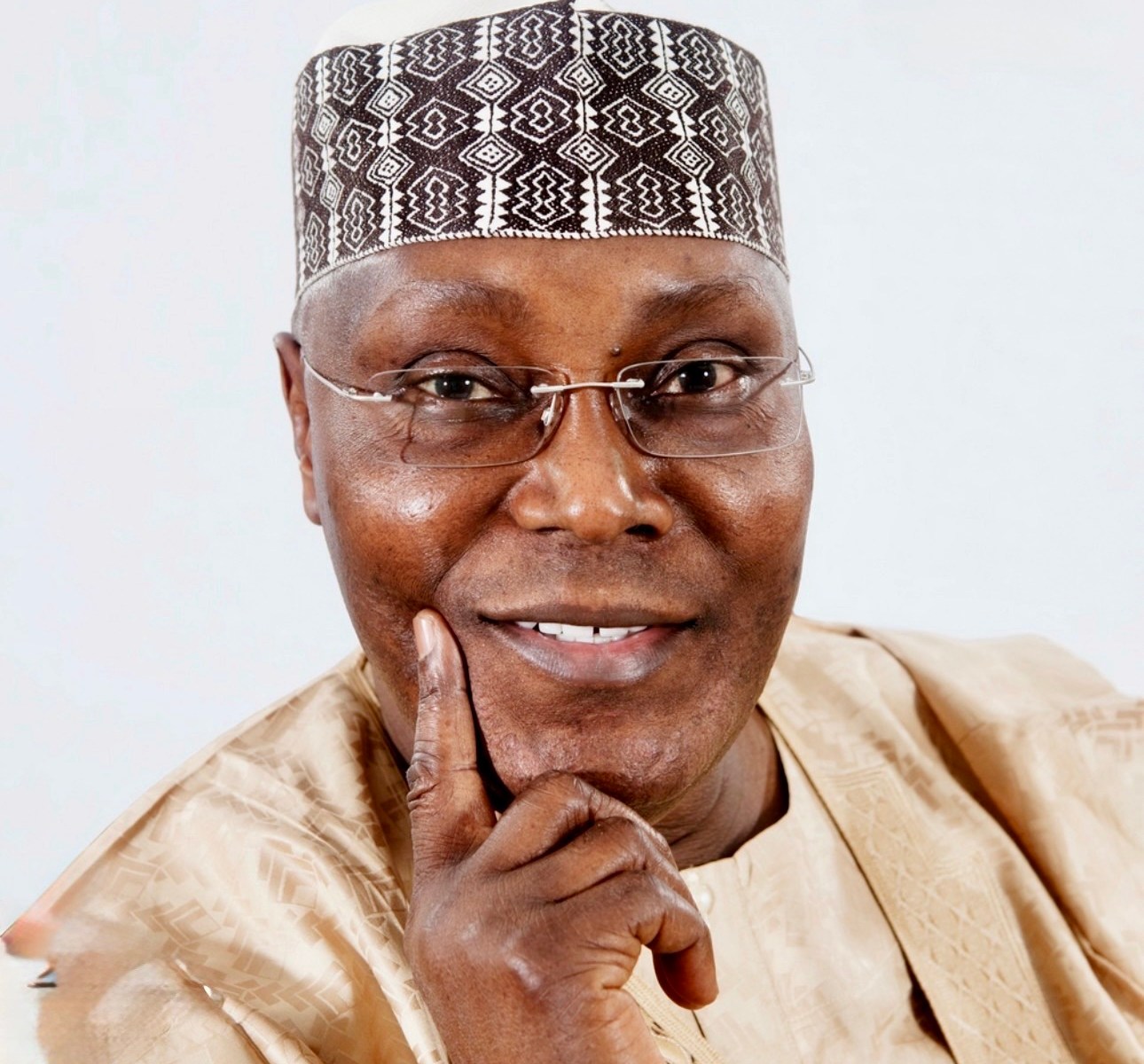
The ink was barely dry on the registration papers of the newly aligned opposition forces before the predictable script began to play out once again. With Atiku Abubakar emerging as the presidential flag bearer for the African Democratic Congress (ADC) and his closest rival, Chibuike Amaechi, swiftly rejecting the outcome Nigerian politics is witnessing a profound sense of déjà vu.
For over a decade, the trajectory of Nigeria’s Fourth Republic has been heavily shaped by one man’s unyielding pursuit of the presidency. Yet, as the fallout from the ADC primary demonstrates, this relentless ambition carries a heavy institutional price: the systematic fragmentation of every national party he inhabits.
The Prophet Marginalized: Peter Obi’s Pre-emptive Exit
To understand the current crisis within the ADC, one must look at the recent, calculated exit of Peter Obi and Rabiu Kwankwaso to the Nigeria Democratic Congress (NDC). Obi’s departure was not a mere tactical retreat; it was a realization of a deep-seated fear.
Obi foresaw that the same political machinery that fractured the People’s Democratic Party (PDP) in 2023 was about to overrun the ADC. By refusing to stay and be swallowed by a highly contentious direct primary where Atiku ultimately claimed over 1.8 million votes to Amaechi’s 504,000, Obi validated his reputation for political pragmatism. He recognized that the vehicle was being compromised long before it hit the electoral highway.
A History of Broken Vehicles
Critics who label Atiku a “disruptor of national parties” point to a long, consistent historical pattern:
- The 2014 nPDP Splinter: Atiku was instrumental in leading the “New PDP” breakaway faction, fiercely insisting that Goodluck Jonathan respect zoning and yield power to the North. While this successfully birthed the All Progressives Congress (APC) coalition, it permanently shattered the PDP’s monolithic hold on power.
- The APC Clash: Within the APC, Atiku ran into the immovable object of Muhammadu Buhari’s cult-like northern following and state-backed institutional funding. Realizing the path was blocked, he walked away from the very house he helped build.
- The 2023 PDP Crisis: By muscling his way to the PDP ticket in 2023 immediately after Buhari’s eight-year northern presidency, Atiku violated the unwritten code of Southern rotation. The result? The alienation of the G5 governors and the splintering of the opposition vote that ultimately handed victory to the APC.
Now, in 2026, the ADC has become the latest casualty of this cycle. Amaechi’s immediate rejection of the Option A4 primary results ensures that instead of launching a unified nationwide campaign against the ruling party, the ADC will expend its energy on litigation, internal acrimony, and bitter polarization.
The Illusion of Overwriting Zoning
The fundamental flaw in Atiku’s late-career strategy is a lack of structural self-awareness regarding Nigeria’s geopolitical realities. Rotational zoning is not a minor party rule that can be overridden by financial muscle or delegate mobilization; it is a deeply institutionalized psychological expectation within the Nigerian electorate.
Attempting to position a northern candidacy to succeed a southern president especially after the North just concluded an eight-year tenure under Buhari, is an attempt to rewrite the unwritten constitution of Nigerian power-sharing.
By forcing this ambition through the ADC, Atiku has achieved a pyrrhic victory. He has secured yet another party ticket, but in doing so, he has pushed the genuine “third-force” elements out into the NDC, leaving the ADC isolated.
Once again, the capture of the flag seems to have been prioritized over the viability of the army. And once again, Nigeria’s opposition finds itself fractured, fighting itself instead of the status quo.

