

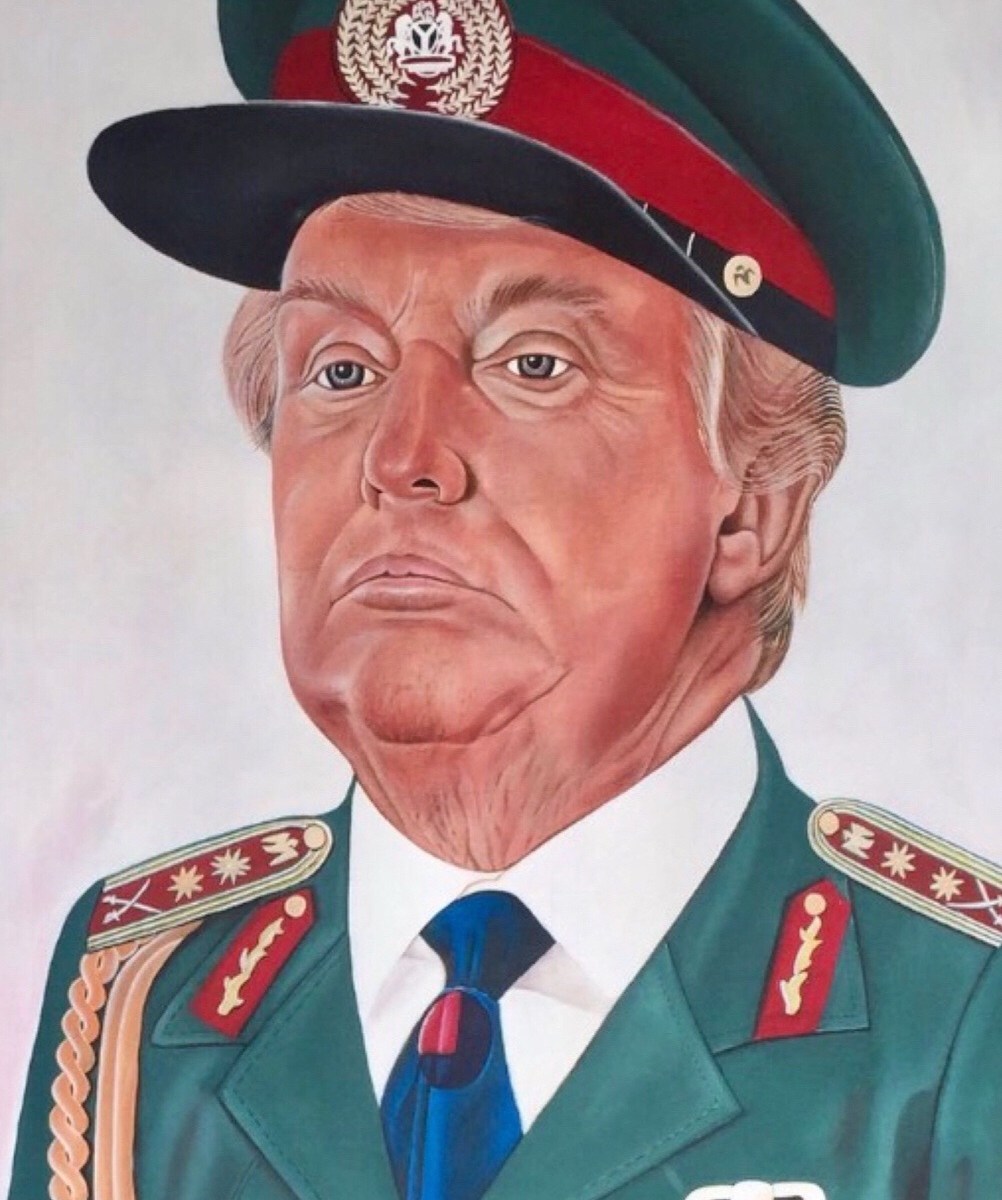
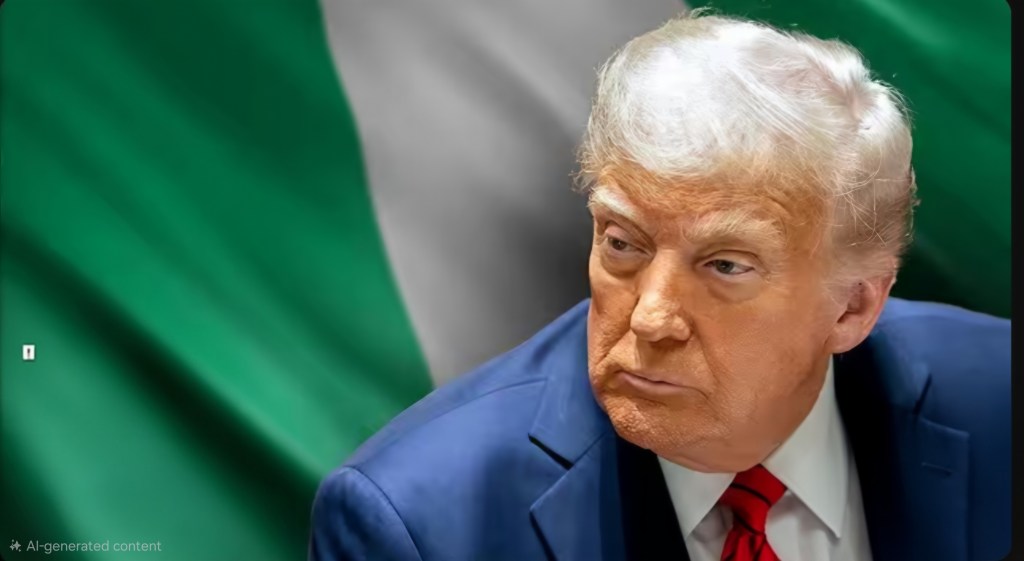
The President of the United States has apparently found time between his war drums over Iran and the endless speculation surrounding his own health to direct the American Department of War to “protect Christians in Nigeria.” (Punch Newspapers)
The headline is dramatic. The politics are emotional. The reality is far more complicated.
Nigeria is not a simple religious chessboard where Christians stand neatly on one side and Muslims on the other. Anybody attempting to reduce the country into such cartoon categories either does not understand Nigeria or deliberately wishes to weaponise ignorance.
Let us go behind the headlines.
How exactly does Washington intend to “protect Christians” in a country where religion, ethnicity, geography, economics, criminality and politics overlap so completely that no foreign soundbite can untangle them?
Nigeria is one of the most religiously mixed societies on earth. Kaduna State in northern Nigeria reportedly has more Christians than Lagos, the commercial capital in the south. Meanwhile, Ogbomosho in the southwest has more Muslims than Jos in Plateau State, which many foreigners lazily describe as “Christian territory.”
So what exactly is the American military template here?
Will drones stop at the sound of church bells before striking targets?
Will missiles carry denominational questionnaires?
Will soldiers patrol Nigerian homes asking couples to identify which side of the bed belongs to the Christian and which belongs to the Muslim?
One imagines the absurdity immediately.
What happens to mixed families, millions of whom exist peacefully across Nigeria?
How will the president’s proposed protection policy apply to a Christian wife married to a Muslim husband? Will America protect her from him while she is preparing his dinner? Or will the husband qualify for protection because his wife is Christian?
The problem with ideological foreign policy is that it often begins with television narratives instead of sociological realities.
Nigeria undeniably has serious security problems. Terrorism exists. Banditry exists. Criminal kidnappings exist. Sectarian violence exists. So do ethnic conflicts, land disputes, political grievances and organised criminal enterprises. Christians have died. Muslims have died. Traditional worshippers have died. Security personnel have died. Entire villages have vanished irrespective of religion.
Even many international reports acknowledge that the violence in Nigeria cannot be explained purely through religion. (The Guardian)
Yet modern politics increasingly prefers emotionally marketable slogans over uncomfortable complexity.
“Protect Christians” is easier to market to parts of the American evangelical political base than “Nigeria suffers from overlapping failures of governance, rural insecurity, corruption, terrorism, porous borders, climate displacement, organised crime and state weakness.”
One slogan fits neatly on campaign merchandise.
The other requires reading.
The irony is that America itself cannot agree on the relationship between religion and state. The same political movement now speaking passionately about Christians in Kaduna often erupts in outrage when religion influences American public policy debates. (Reuters)
Nigeria’s constitutional structure is secular, even if deeply religious in practice. The state officially belongs neither to church nor mosque. Its survival depends largely on managing diversity rather than inflaming it.
That management is imperfect, often incompetent and sometimes corrupt. But it remains essential.
Foreign powers historically misunderstand Nigeria when they view the country exclusively through a religious lens. The Nigerian Civil War was not a Christian-Muslim war. Militancy in the Niger Delta was not fundamentally religious. Herdsmen-farmer conflicts frequently revolve around land, migration, grazing routes and state collapse more than theology. Criminal kidnappers rarely request baptism certificates before collecting ransom.
None of this excuses extremist violence against Christian communities or Muslim communities. Both realities can coexist. Terrorists targeting churches deserve condemnation. Terrorists targeting mosques deserve the same condemnation.
But selective outrage often reveals political intentions rather than humanitarian concern.
The American president’s rhetoric also raises another uncomfortable question: if Washington now reserves the right to threaten military action wherever Christians are endangered, does the same principle apply globally to Muslims, Hindus, Jews, Buddhists or atheists?
Or is foreign intervention now to be determined by the voting preferences of domestic political constituencies?
The danger with simplistic narratives is that they eventually produce simplistic policies.
Nigeria does not need foreign politicians converting its security crisis into campaign theatre. It needs competent governance, functioning intelligence systems, economic opportunity, serious policing reforms, border security and political leadership capable of reducing ethnic and religious paranoia rather than monetising it.
Most Nigerians, whether Christian or Muslim, already understand something outsiders frequently miss: they are neighbours before they are geopolitical talking points.
They trade together.
They marry each other.
They attend each other’s weddings.
They mourn at each other’s funerals.
And occasionally, during elections, they unite beautifully to complain about politicians together.
That may ultimately be Nigeria’s greatest protection, not American war rhetoric, but the stubborn refusal of ordinary Nigerians to fit neatly into the simplistic categories foreign politicians require for television soundbites.
Because Nigeria is many things.
But it has never been simple.

