


In the grand Nigerian tradition of investigating the same scandal twice so that everyone can feel useful, the 2011–2012 fuel subsidy crisis produced two legislative reports. One was loud, detailed, and eventually self-sabotaged. The other was quieter, slower, and largely forgotten. Both documented the same institutional rot; neither delivered the cleansing the country pretended to want.
The House Report (Farouk Lawan Ad-hoc Committee)
Laid in April 2012, covering 2009–2011. It featured public hearings, 130 witnesses and more than 3,000 volumes of documents.
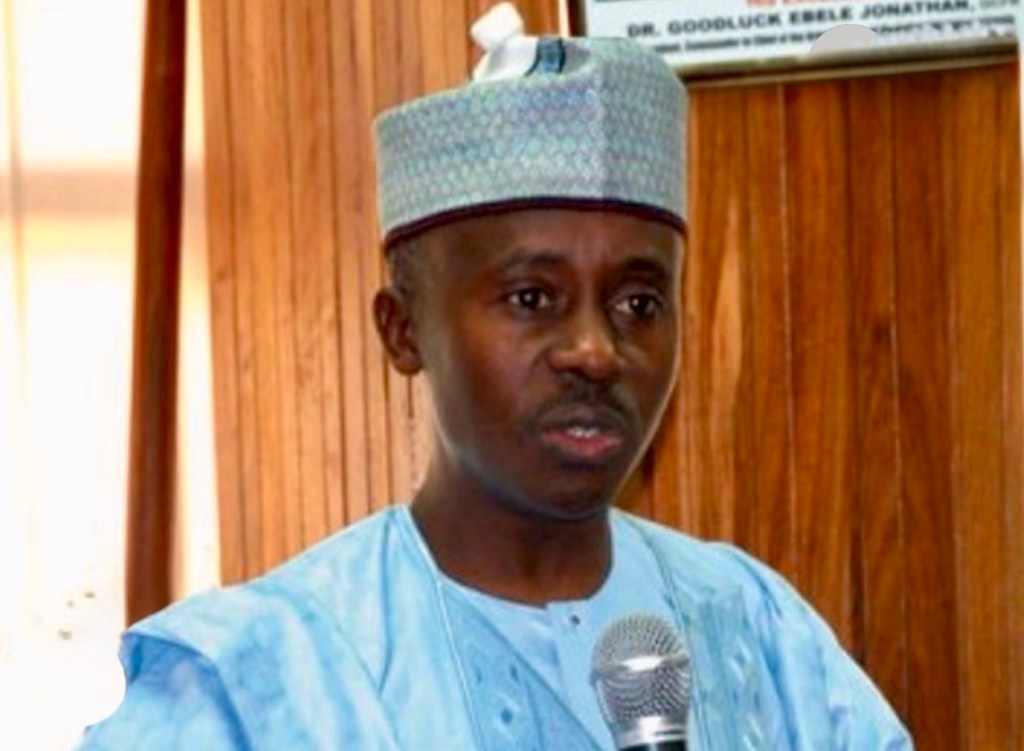
Its core conclusions were blunt. Official subsidy figures were treated as fiction; the committee’s own tally for 2011 alone reached roughly ₦2.587 trillion against a budget of ₦245 billion. NNPC emerged as the central villain, accused of treating the Federation Account like a personal ATM through illegal kerosene subsidy claims after a 2009 presidential directive (₦310.4 billion), over-deductions above PPPRA approvals (₦285 billion), and self-granted discounts (₦108.6 billion). Marketers collected hundreds of billions for products that never arrived or never existed; more than seventy companies were named for various violations. Record-keeping was described as deliberately abysmal, with “offshore Lomé/Cotonou” lightering a favourite fiction.
The recommendations were equally sharp: refund approximately ₦1.067 trillion, unbundle NNPC, prosecute officials and marketers, restore or clarify kerosene subsidy, set realistic daily consumption figures of about 33 million litres of PMS, and pass a proper Petroleum Industry Bill.
The Senate Report (Magnus Abe Joint Committee on Downstream Petroleum, Appropriations & Finance)
Inaugurated in November 2011 after Bukola Saraki’s motion and presented in October 2012.
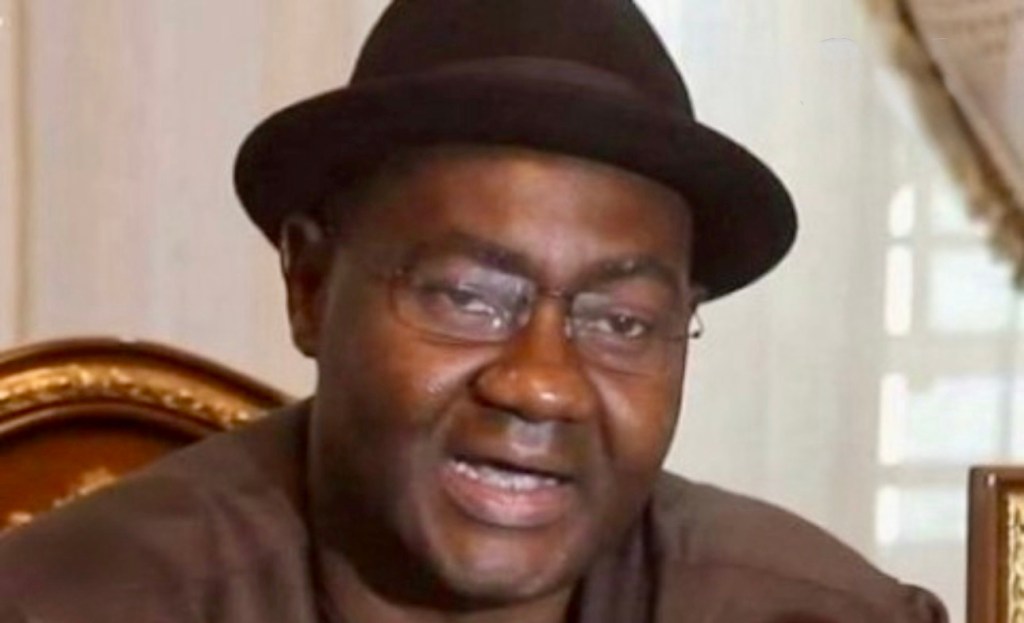
Its findings confirmed the explosion of spending far beyond appropriation and noted extreme concentration: a small number of marketers (roughly ten) cornered the bulk of allocations while dozens of weaker players were waved in. It flagged weak or non-existent board oversight at PPPRA, demurrage waste, and eligibility standards that invited “briefcase” operators. The main prescriptions were full downstream deregulation, raising the bar for participation, and strengthening PPPRA.
It was less theatrical, less forensically detailed in the public domain, and arrived after the House report had already dominated the narrative. Pressure to dilute or bury it was reported; its public impact remained modest.
Both Reports Side-by-Side
The House effort was aggressive, forensic and a public spectacle; the Senate version was more deliberative and quieter. The House claimed roughly ₦1.067 trillion recoverable plus massive overspend, while the Senate mainly confirmed the overspend and concentration of benefits. The House treated NNPC as the central villain with specific refund demands and a call for unbundling; the Senate criticised the corporation without the same personalised intensity. The House publicly listed dozens of marketers with specific sums attached; the Senate focused on concentration and offered fewer detailed public lists. Policy-wise, the House pushed refunds, unbundling, a PIB and tighter rules; the Senate leaned toward deregulation and higher entry barriers. Politically, the House report was adopted then tainted by the chairman’s own bribery scandal; the Senate report was presented and largely faded from view.
Both diagnosed the same disease: a subsidy regime captured by inefficiency, collusion and creative accounting. The House report was the more damning and specific; the Senate version was the more deregulatory in tone.
Statutory Change?
Direct, immediate statutory overhaul? No.
The reports fed the broader pressure that eventually produced the Petroleum Industry Act of 2021, which restructured the sector, created commercial entities from NNPC, and provided a legal pathway for market-based pricing. Full subsidy removal only arrived in May 2023 under a different administration. Interim measures such as SURE-P, verification committees and tighter PSF guidelines appeared, but the underlying architecture of opacity and rent-seeking survived for another decade. Legislative reports in Nigeria often function as elaborate performance art rather than drafting instructions.
Criminal Consequences?
Misdeeds were established in abundance. Consequences were selective, delayed and incomplete—classic Nigerian justice.
Farouk Lawan himself was later convicted for demanding and receiving $500,000 of a requested $3 million bribe from Femi Otedola to delist Zenon. He served time (the sentence was reduced on appeal). The probe chairman became the highest-profile convict from his own investigation.
EFCC and ICPC pursued marketers. A handful of convictions eventually materialised years later—among them Mamman Ali and Christian Taylor, jailed in 2025 for a ₦2.2 billion fraud, and earlier cases such as Brila Energy. Some funds were recovered. Many cases dragged for a decade or more; some remain pending or simply evaporated. Senior political and NNPC figures named or recommended for investigation largely escaped meaningful personal criminal sanction. Board-level accountability stayed thin.
In short: some mid- and lower-level operators were occasionally brought to book. The system’s architects and biggest beneficiaries mostly lived to subsidise another day.
Were Beneficiaries of PMS Importation Identified?
Yes—extensively in the House report.
Dozens of companies were named for collecting subsidy on non-existent or undelivered volumes, accessing forex without corresponding imports, or other violations. Specific refund figures were attached to many. NNPC itself was treated as the largest single beneficiary of irregular claims. The Senate report noted extreme concentration among a small group of marketers but was less publicly forensic in listing names and exact sums.
The lists existed. Implementation of the recommended refunds and prosecutions was, to put it charitably, incomplete. Some names that featured prominently in 2012 later reappeared in polite society; others faded into the usual fog of Nigerian accountability.
The Bottom Line
Two reports, overlapping diagnoses, limited structural change at the time, and criminal justice that punished a few while the architecture of the scam endured until political will (and fiscal desperation) finally ended the formal subsidy in 2023. The documents remain useful historical records of how a well-intentioned price-support scheme became a sophisticated extraction machine. Whether they changed the country is a different, and rather more depressing, question.

