

If you recently bought a phone charger, a box of paracetamol, or a loaf of bread, congratulations! You just paid six people whose names appear nowhere on your receipt.
In Nigeria, nearly everything you eat, wear, or swallow arrives by sea. Over 70% of the nation’s pharmaceuticals and almost all its daily essentials pass through a narrow strip of coastline. But behind the rusty shipping containers and infinite Lagos traffic lies one of the most intriguing and hilarious, if it weren’t so expensive economic setups in West Africa.
1. The Phantom 4% and the 34 Layer Fee Onion
Back in February 2025, Nigerian Customs introduced a shiny new 4% charge on imports. Traders threw a fit, so it was suspended in August, resurrected in September, suspended again, and then quietly slid into a 1.26 trillion naira revenue plan like a ninja in the night. As the saying goes, anything that gets killed twice and comes back to life is either a zombie or a high yield government charge.
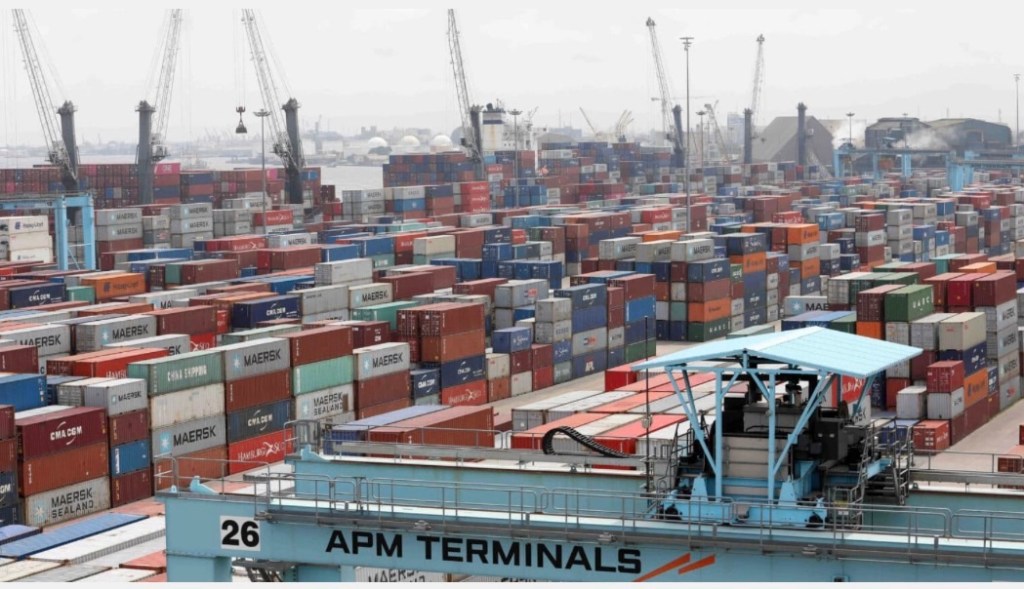
When a 40 foot container hits the dock, the meter starts ticking often in US dollars before it even touches dry land. Years ago, the Nigerian Shippers Council attempted to streamline shipping charges down to five basic line items. When they audited the process, guess how many distinct categories of fees they actually found? 34 separate charges.
And if your cargo happens to sit around waiting for paperwork, demurrage fees can run up to ₦68,500 a day compared to around $20 to $30 a day down the coast in Lomé, Togo.
2. Government is Just the Landlord
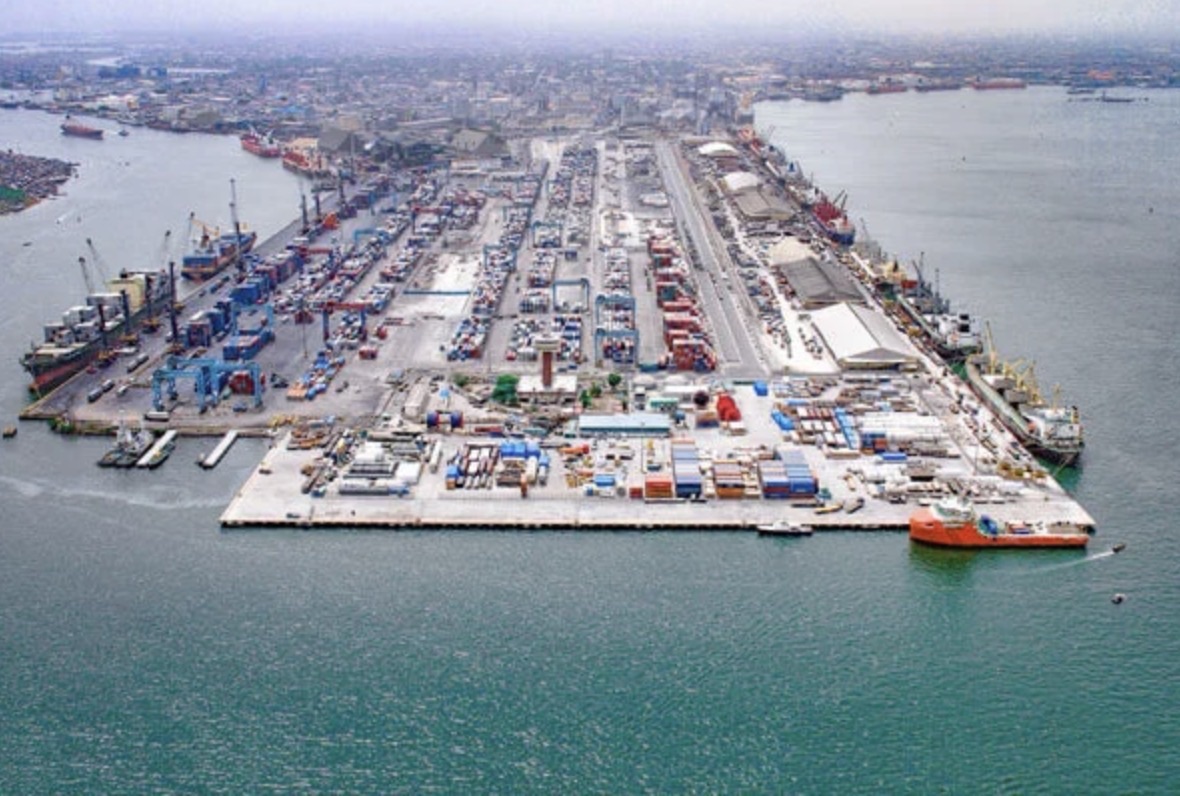
Many assume the government is directly running the cranes and misplacing containers. But Nigeria actually privatized terminal operations back in 2005–2006. The government carved up six major port complexes into 26 terminals and leased them out to private operators for 10 to 25 years.
The Nigerian Ports Authority (NPA) became a landlord collecting rent, while international conglomerates took over the gates:
* Apapa Container Terminal: Leased to APM Terminals (part of Denmark’s A.P. Moller – Maersk group).
* Tin Can Island Terminal: Run by TICT, heavily backed by China Merchants Port and Mediterranean Shipping Company (MSC), which bought out French giant Bolloré’s African logistics network for $6 billion in 2022.
* Lekki Deep Sea Port: The nation’s modern, crown jewel deep water facility. Out of its total equity, China Harbour Engineering holds 52% and Singapore’s Tolaram holds 22.5%. The Federal Government of Nigeria? It owns a humble 5%.
In short, the entities setting freight rates across the ocean are often the exact same global giants standing at the terminal gates when your goods land.
3. The 1913 Ghost of British Railway Planning
Why does nearly the entire country’s maritime traffic squeeze through a single neighborhood in Lagos?
You can thank colonial British railway planners from 1913. They built the deep water berths at Apapa not because it was an ideal natural harbor, but because it served as the terminus for the Western Railway designed to ship out cocoa, palm oil, and groundnuts.
Fast forward to Q1 2025: 71.6% of Nigeria’s total trade (nearly ₦26 trillion) and 86% of its exports passed through Apapa alone. Meanwhile, at Calabar Port Nigeria’s oldest deep water gateway the port manager confirmed in 2024 that not a single container ship had docked there in 25 years.
Out of everything Nigeria bought and sold with the world during that period, Tin Can Island handled under 10%, while the remaining ports across the country shared whatever fraction was left.
4. The “Lagos Tax” and Expired Leases
Once your container finally escapes the dock, it enters the terrestrial obstacle course. Truckers along the Apapa and Tin Can corridors routinely report upwards of 17 checkpoints on a single road. An electronic truck call up system called Etto was introduced in 2021 to clear the chaos, but booking slots quickly turned into a black market commodity, scalped for ~₦21,000 per trip.
Hauling a single container from a Lagos dock to a warehouse in northern or eastern Nigeria can cost up to ₦1 million a hidden “Lagos Tax” paid by every consumer from Aba to Kano.
Here is the kicker: many of those original 2006 terminal leases expired in 2021. Instead of concluding formal renewals, authorities relied on a series of short term 6 month extensions. By 2024 and through mid-2026, lawmakers were still summoning regulators over expired concession agreements. The lease paperwork might be hanging in bureaucratic limbo, but rest assured the fee collection never misses a beat!

