

The Definition Nobody Asked For
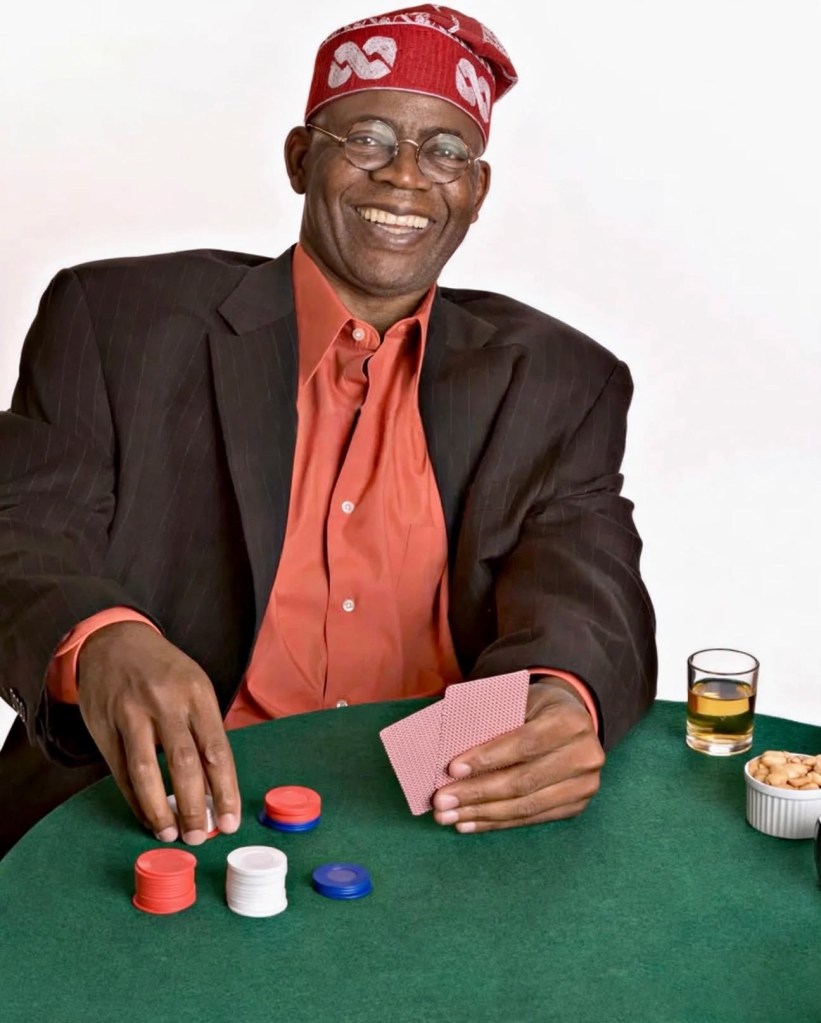
Character, we are told in every commencement speech and every eulogy, is what you do when nobody is watching. This is a lovely sentiment, entirely useless for governance, because in politics somebody is always watching, usually with a phone out. A more honest definition, and the one this piece will insist on, is that character is muscle memory: the behaviour you have rehearsed so many times under pressure that it no longer requires a decision. It simply fires. Give a person enough reps at a particular kind of risk and by the time they reach high office, you are not electing a leader, you are electing a reflex.
This matters because Nigeria did not elect a stranger to risk. It elected a man whose entire biography, however you choose to read it, is a study in operating comfortably at the edge of exposure.
The Gambler’s Actual Reward
Here is the part psychology insists on and campaign strategists prefer you forget: the committed risk taker is not chasing the outcome. He is chasing the sensation of having survived the bet. The house, the audience, the ledger, these are incidental. What he wants is the internal event, the private thrill of having stared down consequence and walked away unscathed again. This is why gamblers who win big rarely stop. The win was never really the point.
Apply that lens to a certain category of Nigerian political and commercial actor and things click into place with uncomfortable ease. To bankroll narcotics as an investor, to run it street level as a distributor, or to lend it professional cover as a lawyer or accountant laundering the proceeds, all of these are exercises in tolerating catastrophic exposure as a matter of routine. You are not in that business for the margins alone. You are in it because you have trained your nervous system to treat overwhelming risk as background noise. That training does not stay in one lane. It becomes, in the most literal sense, who you are.
The Résumé With the Missing Pages
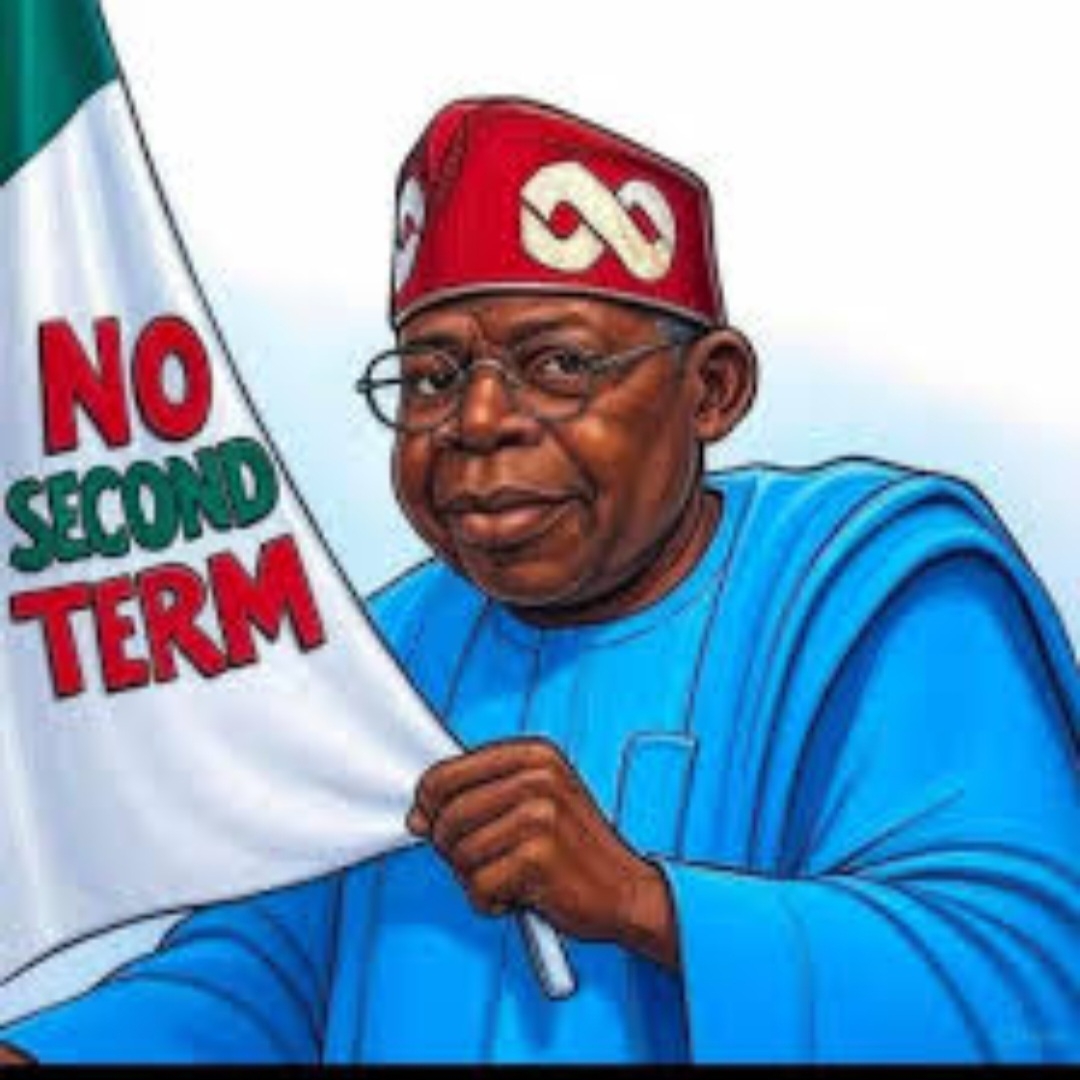
Then consider the political application of the same muscle. To seek the presidency of a country of over two hundred million people while carrying a personal history with well-documented gaps, disputed school records, contested age, and parentage that has generated years of investigative journalism, court filings and public argument, is not an oversight. Nobody stumbles into that level of scrutiny by accident. It is a decision made by someone who has already run the cost-benefit analysis and concluded that the discomfort of exposure is survivable, because it always has been before. The risk of the whole edifice being examined in open court or open press must be, by any normal person’s arithmetic, terrifying. And yet the candidacy proceeds. Not despite the exposure. Through it, calmly, the way a seasoned gambler pushes chips forward without checking his hand twice.
Layer onto that a campaign whose animating logic appears, by the testimony of critics and the arithmetic of outcomes, to be personal enrichment dressed as public service, and you have completed the profile. Then, within hours of taking the oath, comes the line that should have been printed on the front page of every serious paper in the country in letters two inches tall: fuel subsidy is gone. Announced at the inauguration itself, ahead of the transitional support Nigeria’s own reformers had spent years insisting must come first, with no cushioning package ready, no phased rollout, no functioning palliative structure in place before the price of petrol nearly tripled overnight. The naira was set loose in the same breath, and it went the way unloosed currencies tend to go when nobody has built the wall to catch them. Even the government’s own later announcement of a six hundred and fifty million dollar relief package, offered months after the shock had already landed, reads less like planning and more like a man patching a hull after the water is already at deck level.
That is not policy courage. Genuine reform courage does the unpopular thing after the groundwork is laid, so the pain is bounded and the public can see the exit. What Nigeria got instead was the unpopular thing announced cold, on day one, with the enthusiasm of a man who has learned that the roulette wheel almost always favours him, so why prepare for the spin that doesn’t.
The Wheel Does Not Care Who Is Spinning It
The trouble with muscle memory built on personal survival is that it was calibrated on a sample size of one. The gambler who has always walked away has usually not yet placed a bet with two hundred million other people’s savings on the table. Character, in this reading, is not a moral ornament. It is a predictive instrument. A president who has spent a lifetime enjoying the sensation of dodging consequence will, when handed the largest economy in Africa, treat the entire nation as the next table. The subsidy withdrawal was not a single miscalculation. It was the tell.
Nigerians are currently living inside the downstream arithmetic of that tell: transport costs that swallow wages before the second week of the month, a currency that has shed more than half its value against the dollar since the float, and a citizenry told repeatedly that the pain is an investment in a future that keeps receding. You do not fix that with better messaging. You fix it, if you can fix it at all, by recognising early what kind of muscle memory you are electing, because by the time the country discovers it, the country is usually the one paying for the thrill.
Nigeria wanted a reformer. It appears, on the available evidence, to have hired a man who simply enjoys the ride, and is now discovering, at scale, what everyone at the table eventually discovers about a gambler who has never learned to fear the house.
 Centre for Nigeria Progress