


Another grim chapter has unfolded in the heart of Nigeria, and once again, the state’s apparatus is rushing to manage public relations rather than uncover systemic accountability.
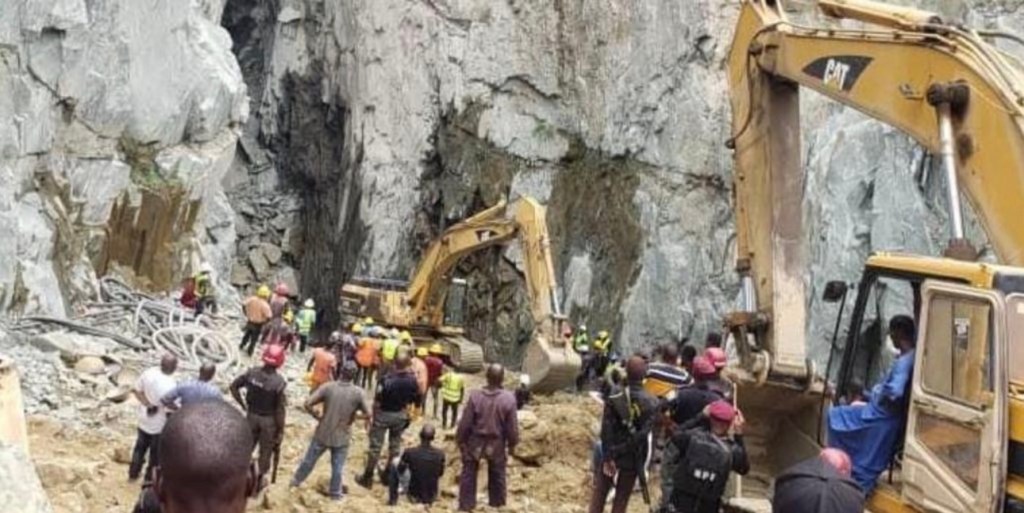
Dozens of miners, many of them barely past boyhood were arrested during raids on informal gold sites in Niger State by the Nigeria Security and Civil Defence Corps (NSCDC). Within hours of being packed tightly into a detention facility in Minna, thirty-seven of them were dead.
A Duty of Care, Met With Gossip
Instead of immediate transparency, an independent inquest, or a proper referral to a coroner, the initial playbook of evasion was rolled out. Whispers and official smoke screens floated the narrative of a “sudden disease outbreak”. Conveniently, what these young men did for a living scratched a tough existence out of the earth as artisanal miners suddenly became the moral justification for their demise.
Let’s get one thing straight: what someone does for a living has zero bearing on their fundamental right to life while in state custody.
A security outfit is bound by a strict legal and moral duty of care. When you lock human beings behind bars, their safety becomes your absolute responsibility. Tossing around aspersions about informal mining does not absolve authorities of overcrowding, horrific ventilation, or outright negligence.
Escaping the Shadow of Impunity
We have seen this script before, and the public must reject it entirely. This case must not be allowed to fade away or go down the unresolved road of victims like Mary Habila, where crucial forensic steps are dodged and public outcry is left shouting into a void.
Instead, the Nigerian authorities need to look outward and borrow a page from systems that value basic institutional accountability much like the rigorous standards applied in cases such as Igho “Tiny” Ubiribo in the UK. When someone dies in custody under mysterious or negligent circumstances, the response cannot be a hurried, quiet burial designed to hide the evidence. It demands independent oversight, transparent autopsies, and uncompromising investigations into those holding the keys.
Dignity in Death
If Nigeria wants to shed its reputation for institutional impunity, it must treat its citizens even those accused of minor infractions with fundamental dignity, both in life and in death. Stop the gossip, preserve the evidence, and let a proper coroner’s inquest lay bare how thirty-seven breathing human beings went into a cell and came out in body bags.
The grieving families in Minna, standing outside hospitals and demanding answers, deserve more than suspension letters and political platitudes. They deserve the unvarnished truth.
 Centre for Nigeria Progress