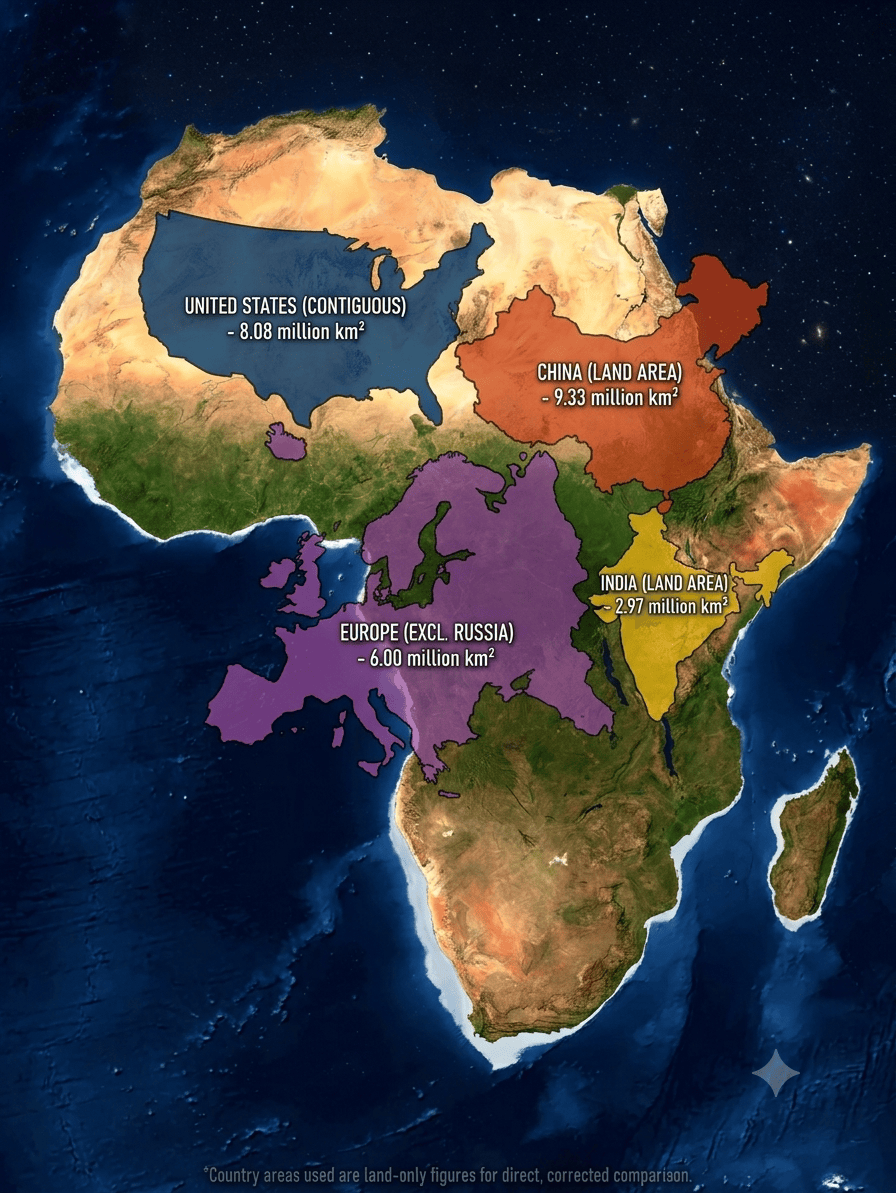
The lone dissent came from Washington on a UN resolution over a map long criticized for making Africa look smaller than it is.
Much Ado About Mapping by Michelle Gavin


Reporting News and opinions
The lone dissent came from Washington on a UN resolution over a map long criticized for making Africa look smaller than it is.

A "leaked" report has revealed that members of the governing body of London's Square Mile were "instrumental" in England's involvement in the transatlantic slave trade.

Scotland has a parliament, a flag, a football team that loses with tremendous dignity, and roughly the population of Lagos’s Ikeja Local Government Area. The Yoruba nation and I use the word advisedly has an empire’s worth of history, a written and oral constitutional tradition running from Ile-Ife through the Oyo Mesi and the Alaafin’s checks and balances, a diaspora spanning three continents, and something in the region of forty million native speakers. One of these is routinely described in the Financial Times as a nation debating its constitutional future. The other is routinely described, by the same publication, as a tribe engaged in an ethnic dispute. I invite the reader to spot the empirical difference. I have been looking for thirty years and have found only prejudice wearing a monocle.
The UN’s top disarmament official expressed regret that weapons continued to fuel violence in communities long after wars ended, causing devastation across once peaceful communities.
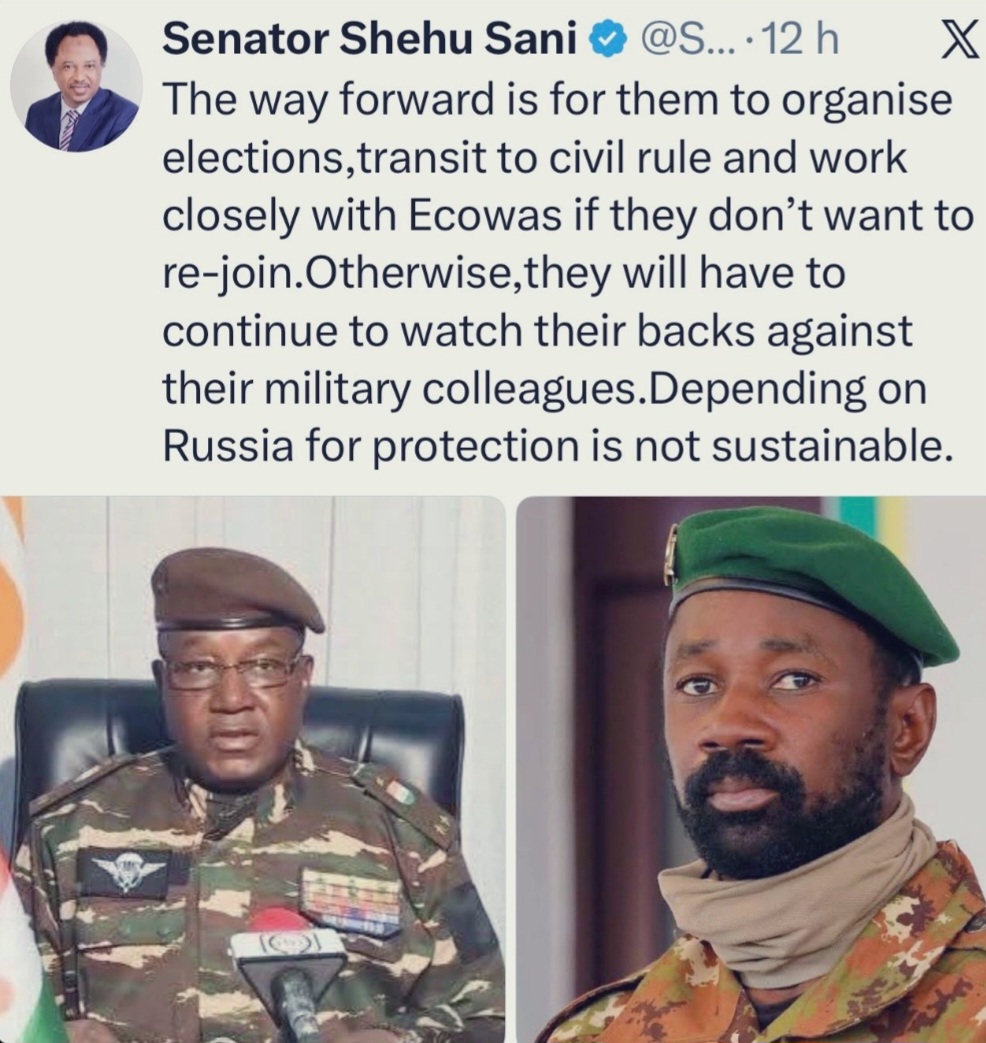
A simple split-screen or virtual debate table. One side has a Nigerian flag and a slightly dusty ECOWAS logo. The other has a bold “Sovereignty First” banner and a small Alliance of Sahel States pin. Both characters face the camera like they’re on a late-night panel that got too real.

