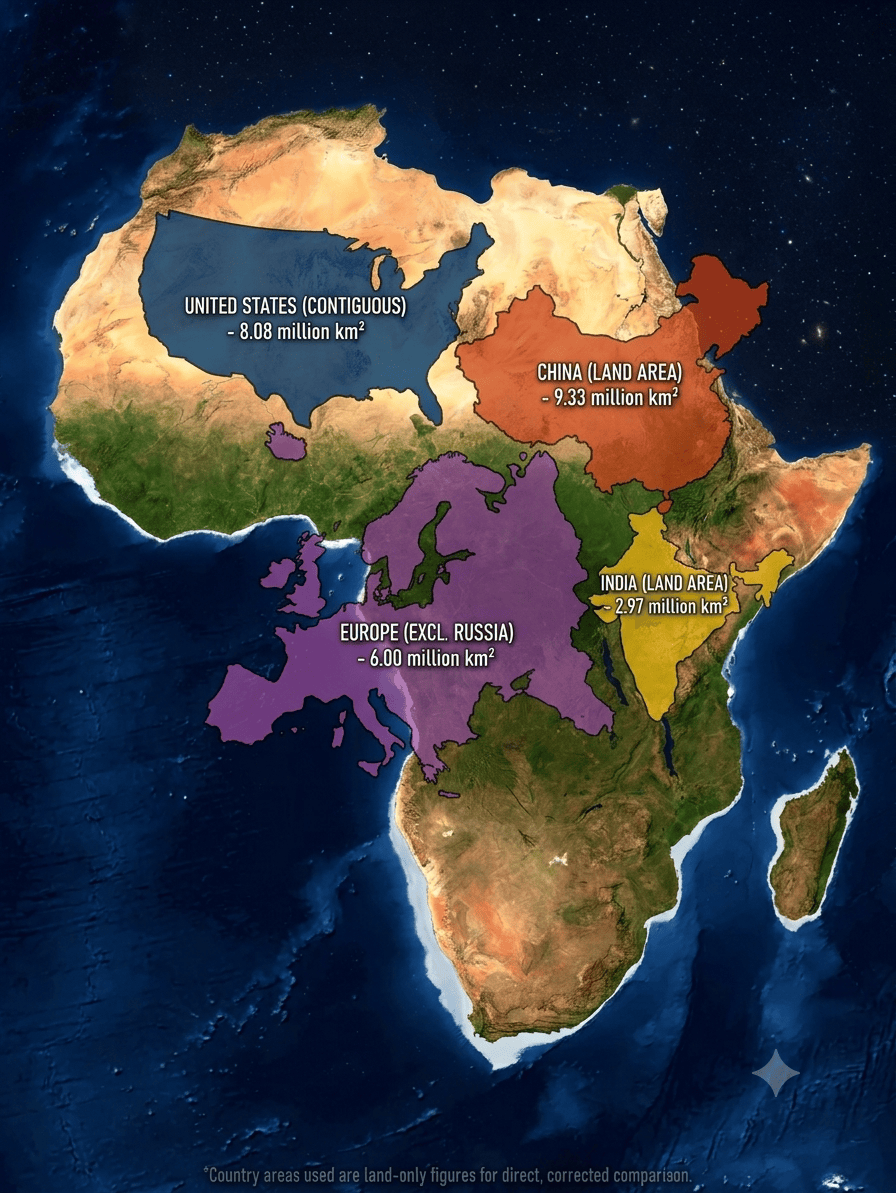
The lone dissent came from Washington on a UN resolution over a map long criticized for making Africa look smaller than it is.
Much Ado About Mapping by Michelle Gavin


Reporting News and opinions
The lone dissent came from Washington on a UN resolution over a map long criticized for making Africa look smaller than it is.
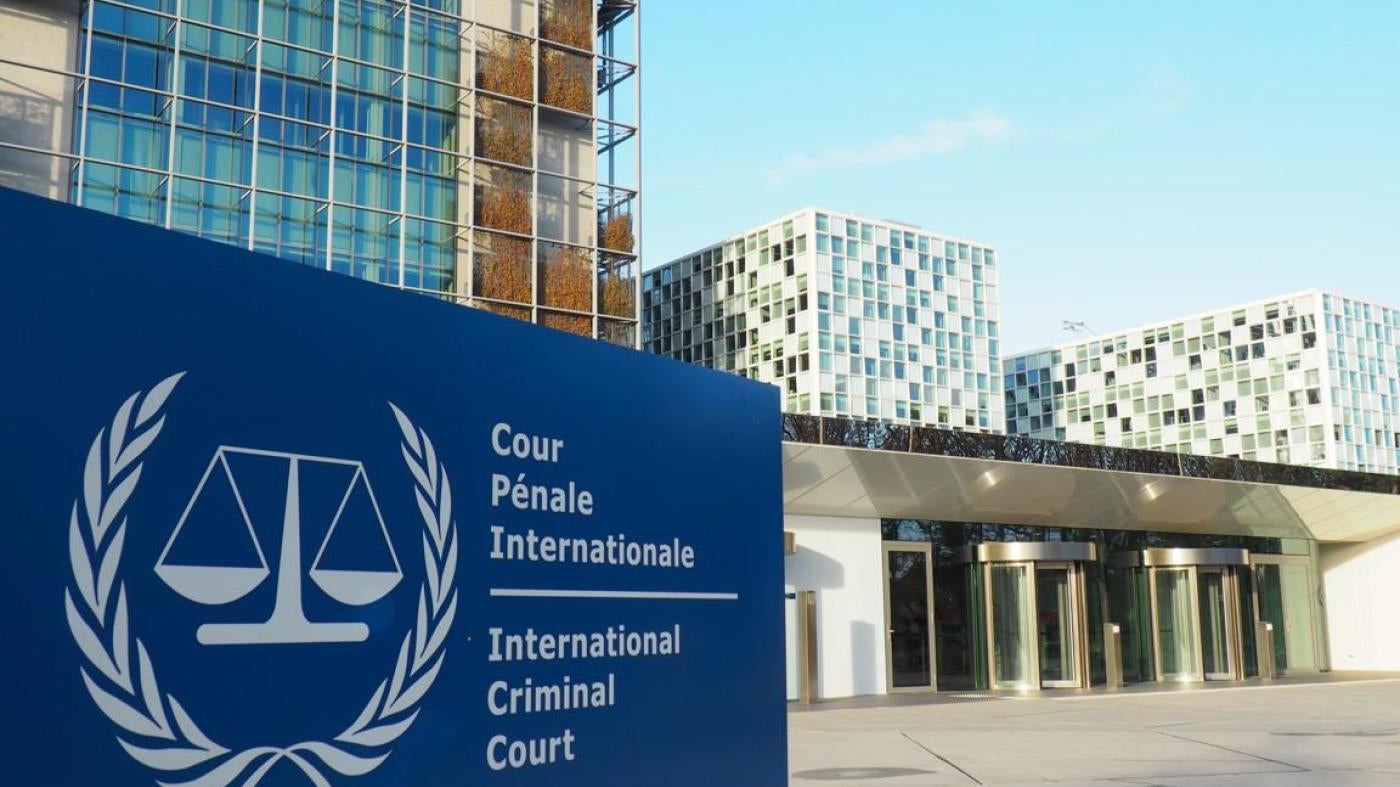
For years the International Criminal Court has operated like a colonial-era court with better stationery and a more solemn logo. The docket groaned under the weight of African cases while the architects of certain adventures in Libya, Iraq, and beyond somehow remained mysteriously unburdened by the same enthusiastic pursuit of accountability. The rule of law, we were solemnly told, was universal. The application, it turned out, was rather more exclusive.
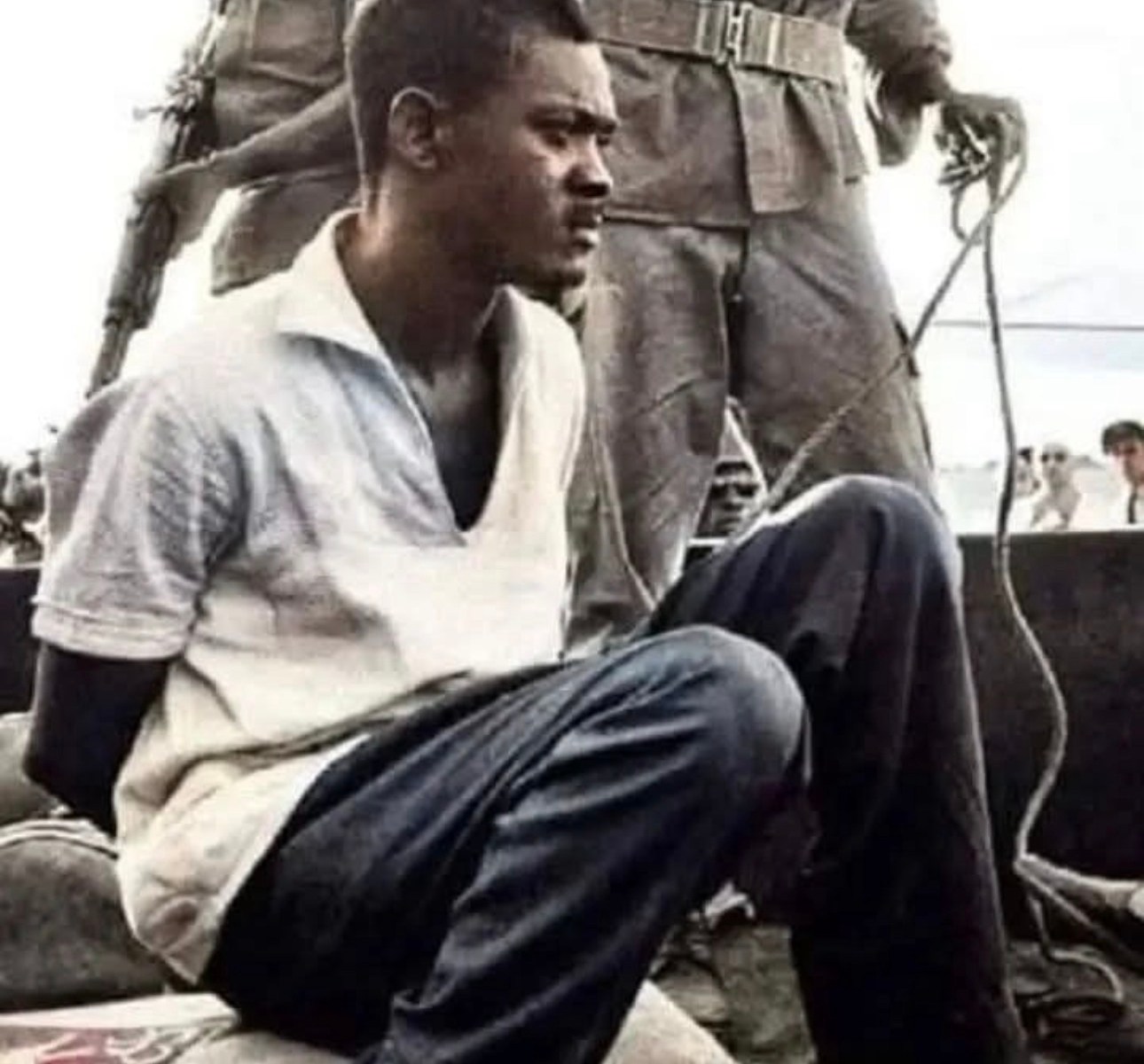
King Leopold II of Belgium laid claim to the Congo and declared it his territory while exerting physical threats to the indigenous people of the Congo (Kongo). He declared the people and the land to be his property, and he quickly turned the country into a moneymaking venture for himself and his throne.

There was a time when Nigeria did not wait for foreign capitals to define West African security. From the anti-apartheid struggle in Southern Africa to military interventions in Liberia and Sierra Leone, Nigeria projected power, influence and diplomatic leadership. Whether one agreed with its methods or not, nobody doubted who was leading.

Long before many African nations even gained independence, an international economic architecture had already been designed to ensure Africa remained primarily a supplier of raw materials while Europe and other industrial powers controlled manufacturing, branding, finance and ultimately the profits.

