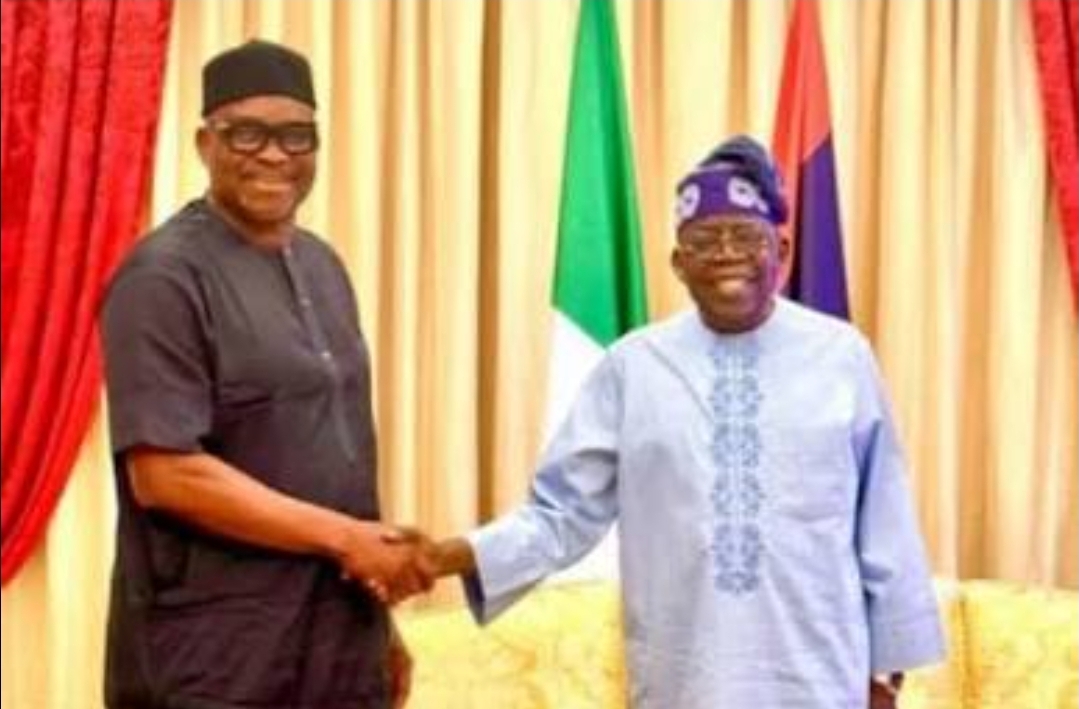
The Defence of Femi Gbajabiamila: The Case Against Assumption; He Is Not the One on Trial by Lawson Akhigbe

The prosecution says he cannot be trusted because he once faced disciplinary proceedings in another jurisdiction decades ago. Yet even if every fact of that matter is accepted, the question before this court remains simple: what relevance does an event from more than twenty years ago have to allegations made today?

“Ghost Goals”: How Nigeria Earmarked ₦6.4 Billion to Qualify for a World Cup It Already Missed by Lawson Akhigbe

Imagine buying a VIP ticket to a concert that ended three weeks ago, paying full price at the gate, and then convincing your friends that you’re just double-checking whether the stage lights still work. That is essentially the energy behind a newly discovered line item in Nigeria’s approved 2026 national budget.

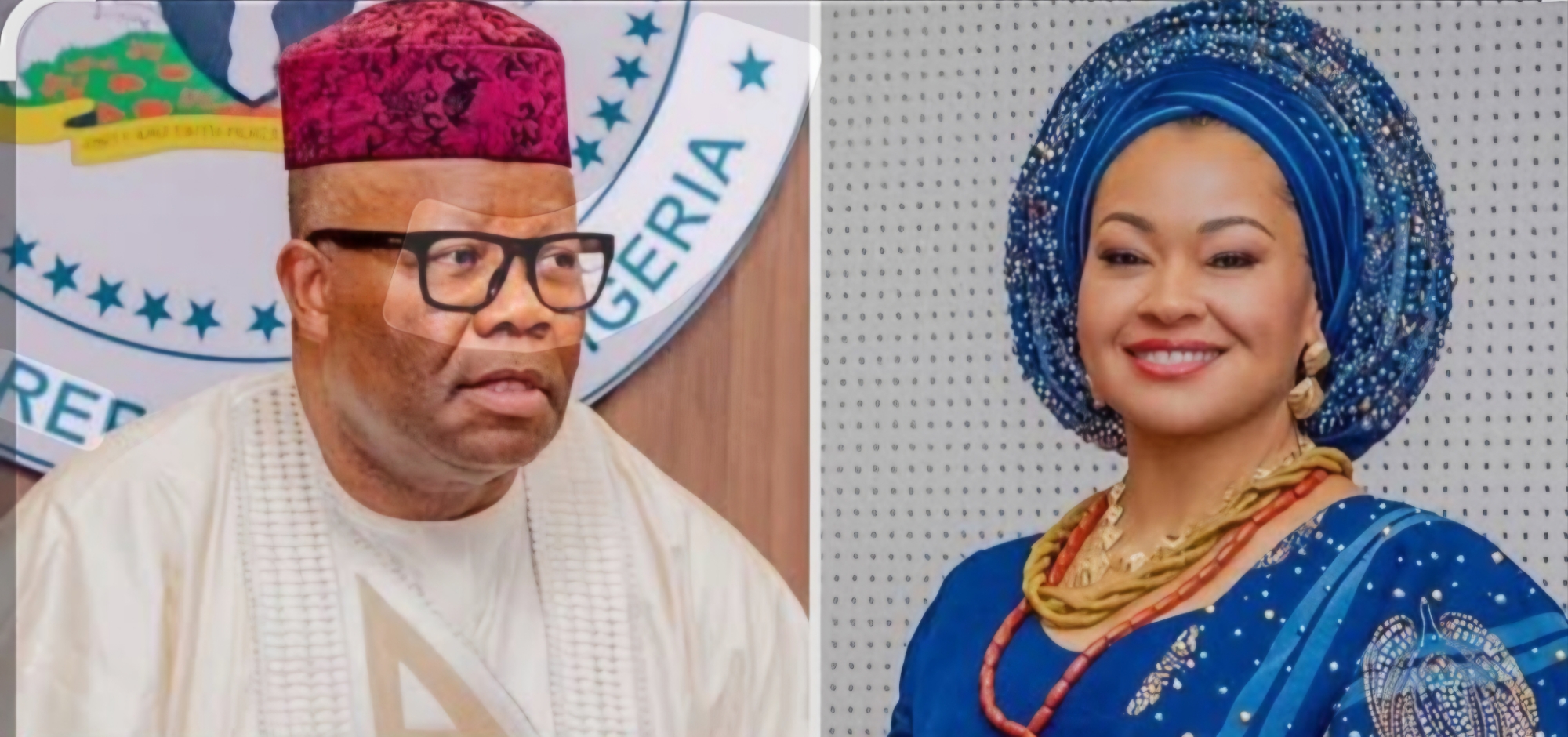
Akpabio, Oshiomhole: How sex threatens the Nigerian State by Festus Adedayo

This intersection of libido and governance is deeply rooted in history. In When Sex Threatened the State: Illicit Sexuality, Nationalism and Politics in Colonial Nigeria, 1900–1958, Professor Saheed Aderinto documented moral degeneration among the ruling elite, showing how men of power have long been implicated in what he called the “commoditization of sex.”

THE SUSPENSION HABIT: WHEN A GOVERNOR FORGETS WHAT A COMMISSIONER IS By Lawson Akhigbe

Suspension is a civil service instrument. It exists to protect an officer's rights while an allegation is tested, precisely because civil servants have due process protections built around tenure and pension. Commissioners have no such tenure to protect, because they were never promised any. Subjecting them to the ritual of suspension does not protect them it borrows the aesthetics of bureaucratic discipline and drapes them over an office that was never meant to carry that indignity.