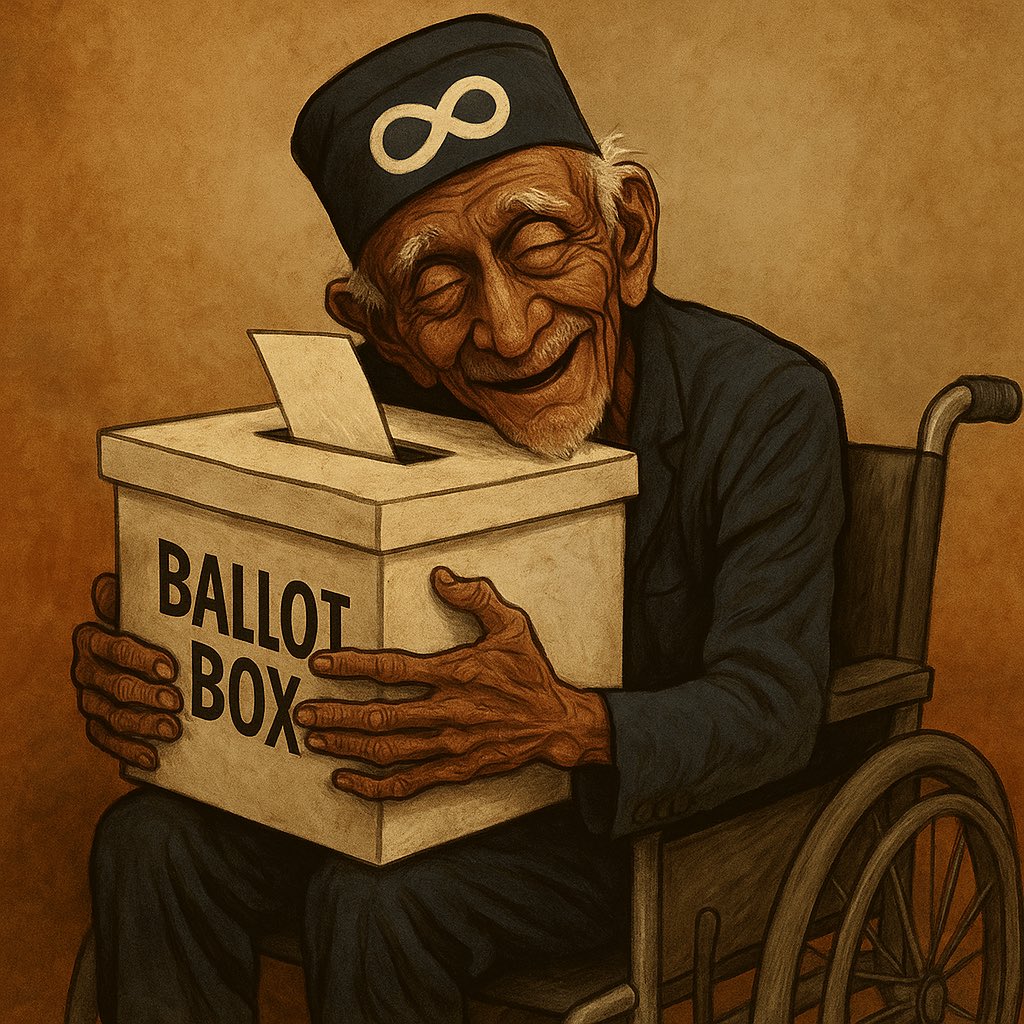
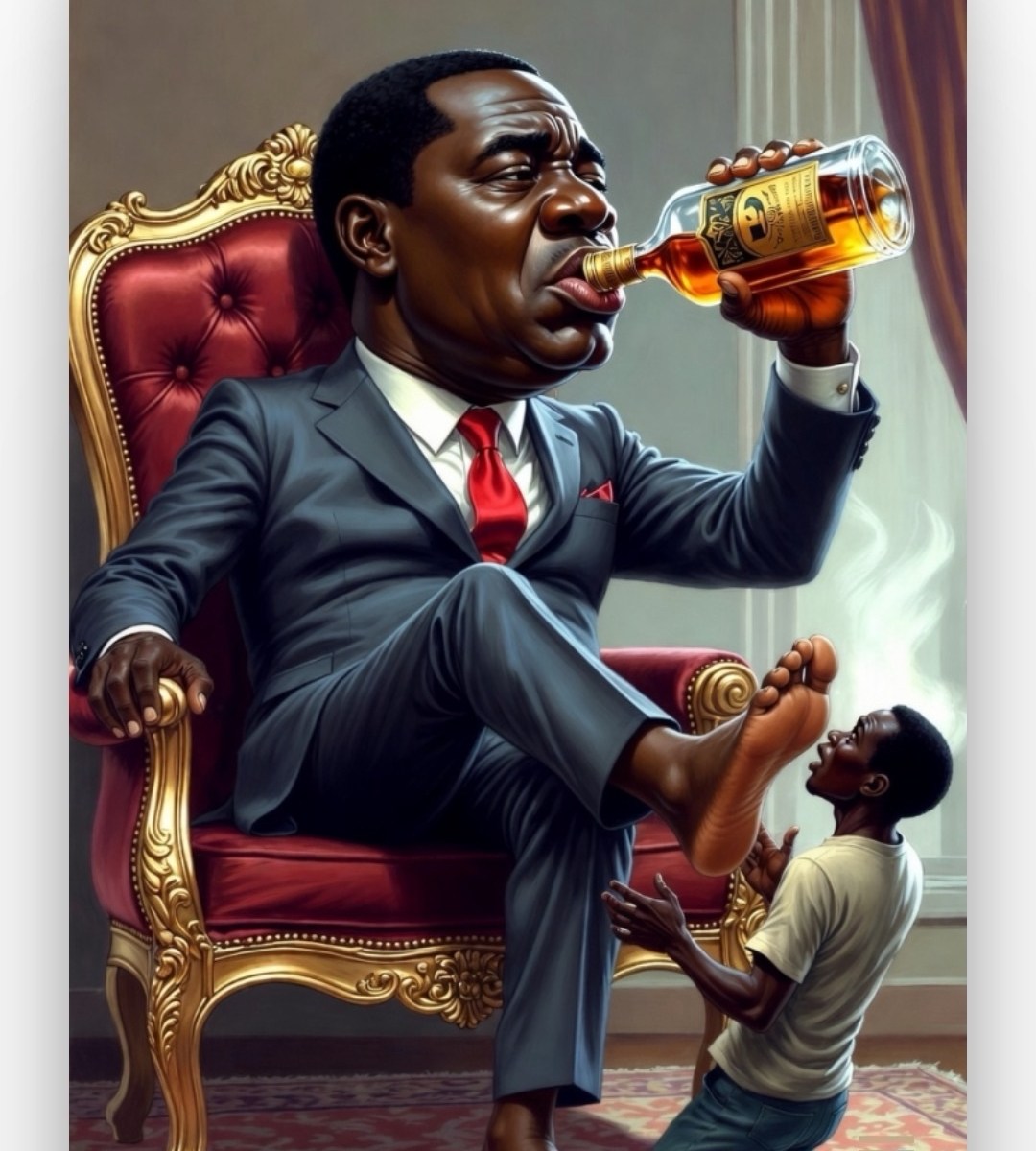
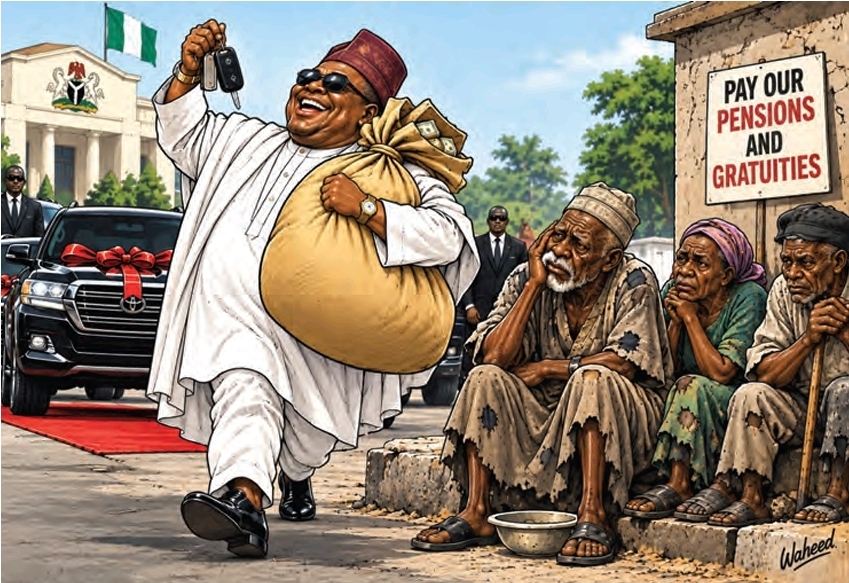
Nigeria has seen this political movie before. The costumes have changed, the actors have acquired new titles, and the language of justification has become more sophisticated. But beneath the democratic vocabulary lies a familiar ambition: the concentration of political power in the hands of one man, the weakening of opposition, and the conversion of a multiparty democracy into a political arrangement in which everybody is expected to agree with the president.
When Journalists Become Political Courtiers and Interviews Become Political Theatre By Lawson Akhigbe
A democracy does not always die at the barrel of a gun. Sometimes, it dies beneath television studio lights, while journalists entrusted with holding power accountable sit silently as politicians explain why nobody can hold them accountable.
The Fire Brigade That Lit the Fire: Shettima and the Great Implosion That Never Was by Lawson Akhigbe
In 2015 the APC unseated the PDP and has governed Nigeria ever since. That is eleven years, which in political terms is not so much a tenure as a tenancy with squatter's rights. Mr Tinubu spent the first eight as the party's national leader, with Osinbajo, reportedly his nominee, installed as vice president. Since 2023 he has been president, with Kashim Shettima beside him. Whoever invented the phrase "continuity of government" clearly never imagined it applied this literally.
The 3pm Call: America’s Midterm Test of Judgment
It was 2008. The country was being asked to choose a president, and Clinton’s famous campaign advertisement presented the image of sleeping children, a ringing telephone in the White House and a question: Who do you want answering the phone?
Was there a ledger to square: Britain’s rule in Nigeria by Lawson Akhigbe
The late Sam Mbakwe, first civilian governor of Imo State and a man whose impatience with mediocrity remains legendary, once declared that he would gladly invite the British back to rule Nigeria for another fifty years. Other politicians have echoed the sentiment over the decades, usually after another round of epileptic power, collapsed roads, or the discovery that the latest “transformation agenda” had transformed mainly the bank balances of its authors. The quip is usually delivered with a sigh, half-joke, half-confession: better the colonial taskmaster who at least kept the trains roughly on time than the indigenous ones who treat the national timetable as optional reading.