The Samson Strategy: How the Tinubu Government Pulled the Temple Down on Itself Over PFIPC by Lawson Akhigbe

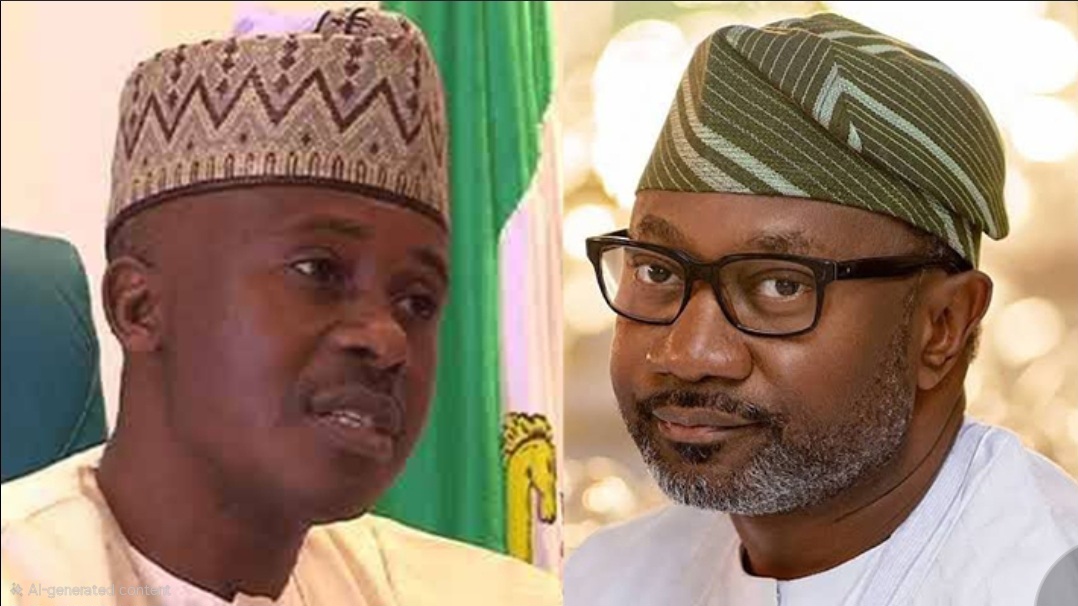
The Bola Ahmed Tinubu administration appears to have forgotten that rule in its handling of the Presidential Foreign Investment Promotion Council (PFIPC) controversy. In its determination to destroy the credibility of one man, Prince Adeniyi Matthew Adeyemi, it may have inflicted collateral damage on something far more valuable: the credibility of official government documentation itself.

The Art of the Bureaucratic Shrug: Why Nigerian Public Officials Never Bring a Pen to an Interview by Lawson Akhigbe

he backdrop of the interview was heavy: a massive Senate investigation into the "Safe Schools Initiative," a program conceptualized to protect students after the harrowing 2014 Chibok girls tragedy. We are talking about tracking billions of naira and over $30 million in donor funding. It’s the kind of high-stakes scrutiny that should make any public servant sweat through their starch-pressed Agbada.

We went to Northwest Nigeria. We interviewed a Gang of Bandits. We left with more questions than answers by Eromo Egbejule

In the southern forests, priests and priestesses of the goddesses in the rivers that run through them, are known to demand bottles of Fanta to open consultations or before any water infrastructure project commences. In the northern forests, gangs of bandits - usually ethnic Fulani - who use them as operational bases, crave bottles of Fanta as well.

The Economy of Fear: How Kidnapping Became a Business Model in Nigeria by Lawson Akhigbe

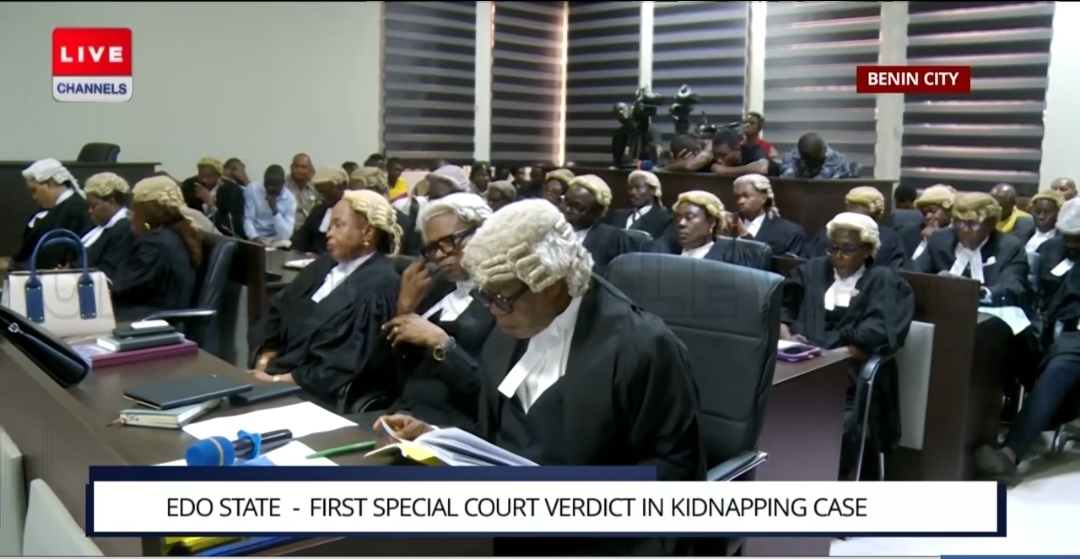
The uncomfortable reality is that kidnapping in Nigeria increasingly resembles a functioning market. In this market, fear is the currency, human beings are the commodities, and safety has become a product available only to those who can afford to buy it.

Bola Ahmed Tinubu: The Most Nigerian of Nigerian Presidents? By Lawson Akhigbe

In that sense, Tinubu may be regarded as the most “Nigerian” of Nigerian presidents—not necessarily as a compliment, but because he appears to encapsulate many of the contradictions, ambiguities and controversies that have long defined Nigerian politics.