Reform UK’s perspective on Brexit and immigration is central to its identity: Brexit was meant to deliver control over borders and lower overall migration, but post-2016 (especially post-2021) governments primarily Conservative, failed to use that control effectively, leading to a non-EU migration surge that the party labels the “Boriswave.” Reform argues this undermined the Brexit promise, strained public services, housing, wages, and cultural cohesion, and necessitates far tougher policies.
Reform UK and others – Immigration Policy Compared
Reform UK’s immigration policies stand out as the most restrictive among major UK parties, emphasizing a sharp reduction in both legal and illegal migration, prioritisation of British citizens, and radical enforcement measures. They position immigration as a core driver of housing shortages, NHS strain, wage suppression, cultural change, and public service overload.
The Marriage That Left No Paper Trail: On Proving Customary Law Marriage in Nigeria by Lawson Akhigbe
Nigerian law has always been more comfortable with paper than with people. A statutory marriage produces a certificate, a registrar, a stamp, a bureaucratic afterlife. A customary marriage produces witnesses, memory, and decades later, when the deceased’s estate is being carved up by relatives who suddenly remember every obligation of kinship a courtroom full of people arguing about who exactly was standing where when the kola nut was broken.
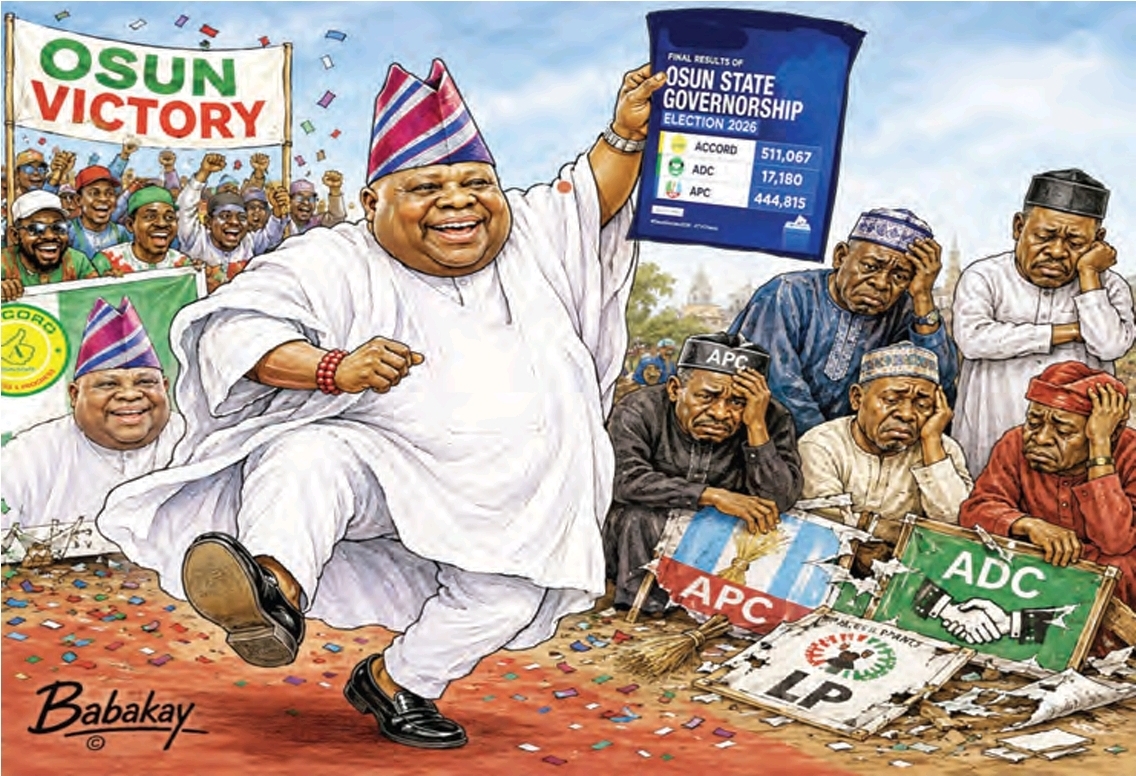
EDITORIAL: Osun election, the rise of civic action, and 2027 by PREMIUM TIMES
Governor Ademola Adeleke of Osun State was re-elected for a second term in the 15 August governorship contest. It was an off-cycle election like no other before it, in the build-up, with its eerie elements of tension, violence and resultant deaths.
Anarchism in judicial robes, by Owei Lakemfa
My mind raced back to British jurist, Lord Denning who famously declared in 1964: “Justice has no place in darkness or secrecy. When a judge sits on a case, he himself is on trial… If he is suspicious, biased, or unfair, then the judge is the one who is condemned in the eyes of public opinion.” But these words of wisdom seem not to have any meaning to Justice Lifu, shockingly, a former lecturer of Public and International Law, University of Ibadan. For me, what was more distressing was that despite the uproar, Justice Lifu seemed oblivious of the damage he had done to the body polity, the judiciary and his thirty five years post-call to bar history.