The People Did Vote for Mass Immigration – Through Parliament by Lawson Akhigbe

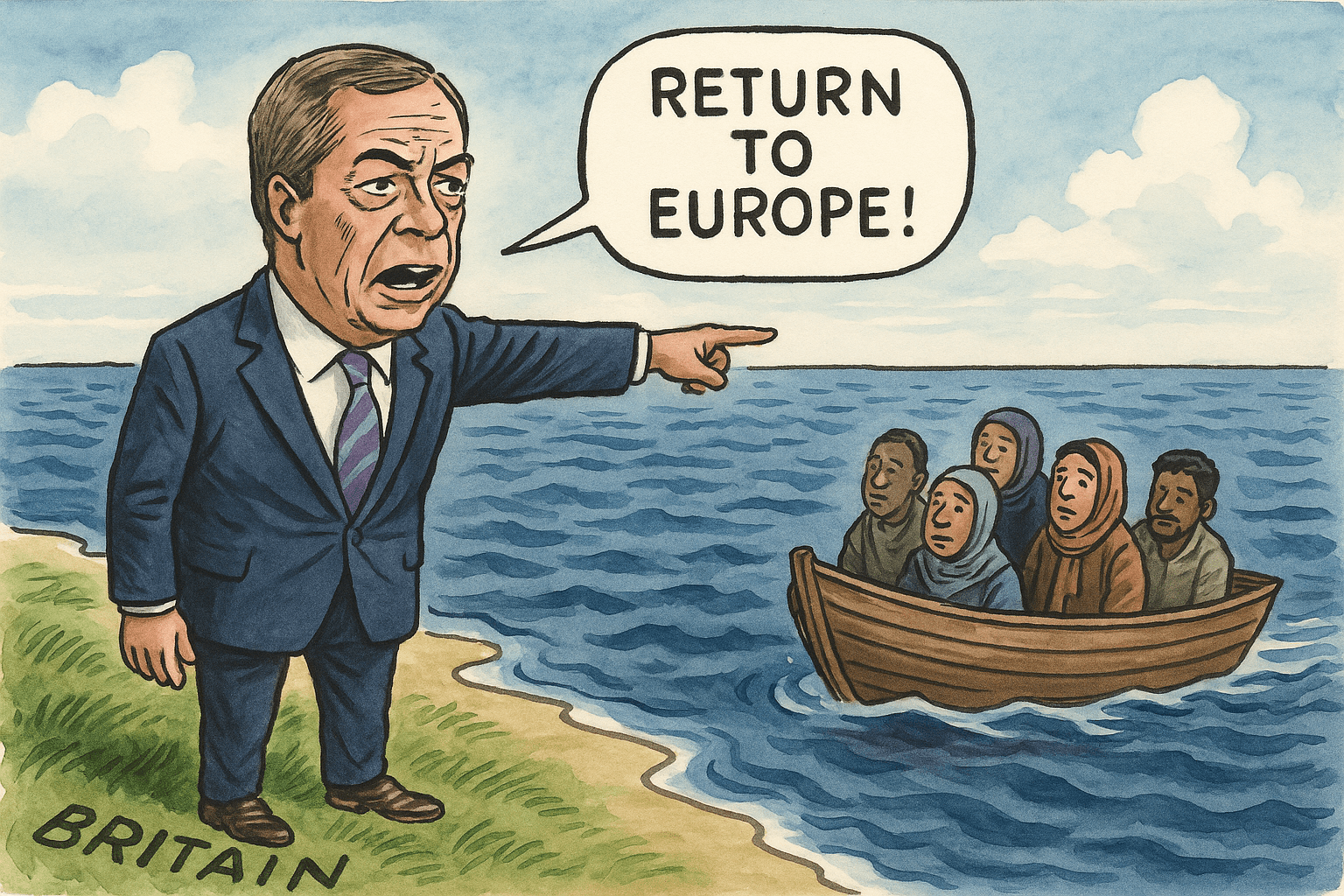
One of the most persistent slogans of Britain’s political far right is the claim that “the people did not vote for mass immigration.” It is a phrase repeated endlessly in television studios, social media posts, and political rallies. It sounds persuasive. It sounds democratic. It is also fundamentally wrong.

Britannia Waives the Rules: Reform UK Ltd and the Audacity of the Uncomplicatedly Delusional By Lawson Akhigbe

There is a particular kind of political confidence that is indistinguishable, to the untrained eye, from clinical detachment from reality. It is the confidence of a man who, having just won a hand at poker, concludes that the laws of probability no longer apply to him. It announces itself loudly, dresses in a flag, and mistakes the echo of its own voice for the applause of nations. Ladies and gentlemen, Reform UK Ltd has had a good week at the local elections, and the results are as instructive as they are alarming, not merely because Nigel Farage’s vehicle of nationalist ambition has won council seats, but because winning appears to have emboldened the party to say the quiet parts of its manifesto even louder, with the serene self-assurance of people who have never had to read a treaty.

The Great Clacton Escape: Can Nigel Farage Outrun His Own Paperwork? By Lawson Akhigbe

Farage’s latest stunt, abruptly resigning as the MP for Clacton to trigger a theatrical summer by-election is a masterpiece in the fine art of political distraction.

The Lion They Fed by Lawson Akhigbe

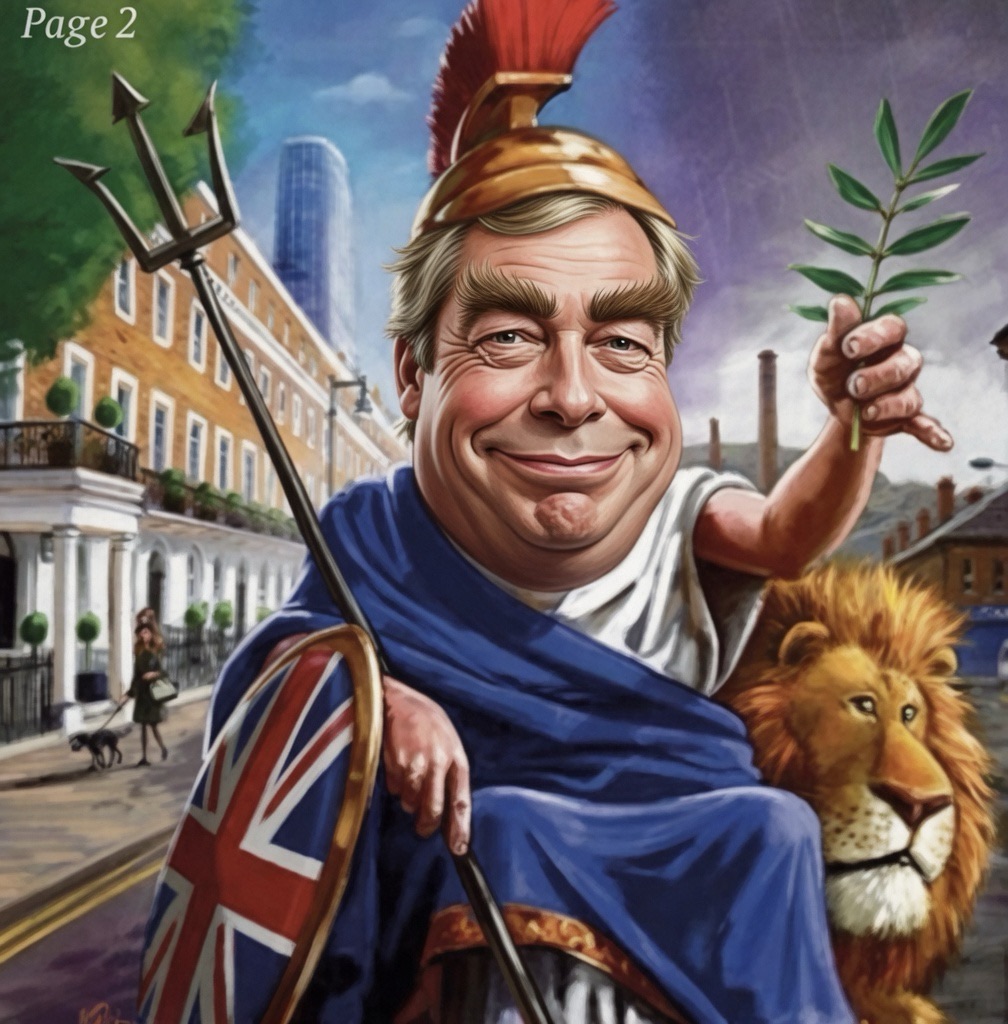
For fifty years, the British political establishment treated anti-immigrant sentiment like a dangerous wild beast not something to be defeated, but a political force to be appeased with legislative red meat. Now, the lion has broken out of its cage, entered politics, and is eating the establishment alive. Margaret Thatcher abolishes automatic birthright citizenship (*jus soli*), trading a centuries-old law of the land for a cold law of the blood. Successive Tory governments spent the next two decades seamlessly conflating "immigrant" with "criminal" in the public psyche. New Labour takes power but refuses to starve the beast. Instead, they introduce the *Life in the UK* test a bureaucratic hazing ritual testing applicants on trivia (like the height of the London Eye) that the Home Office minister who designed it couldn't even answer. Keir Starmer attempts to out-hawk the Right by tightening restrictions and warning against an **"island of strangers."** It backfires spectacularly, accidentally echoing Enoch Powell and alienating his base while ignoring the grand irony: the previous Prime Minister (Rishi Sunak) was the child of immigrants, and most asylum seekers come from countries Britain spent centuries colonizing. The greatest failure of modern progressive politics was refusing to make the affirmative, moral case for immigration. By constantly trying to appease the beast with slightly smaller cuts of meat, the establishment validated its hunger. Today, **Reform UK** hasn't conquered British politics; they’ve simply sat down to a feast fifty years of Westminster cowardice prepared for them. You do not defeat a lion by feeding it politely. You defeat it by refusing to feed it at all.

Review: If We Tolerate This: How the British Establishment Made the Far Right Respectable

Daniel Trilling’s book argues that the British far right became “respectable” not through fringe activism but because mainstream institutions gradually absorbed its language and fears. Far‑right ideas about immigration, multiculturalism, and national decline seeped into politics and media until they appeared like common sense rather than extremism. The press amplified moral panic, helping harsh policies seem moderate. The book stresses that Britain is not uniquely immune to authoritarianism; its extremism often arrives in polite, establishment-friendly forms. Trilling’s analysis also resonates globally, showing how cultural anxiety and intolerance are normalised in many democracies. He is criticised for underplaying real social and economic grievances that made people receptive to these narratives. Still, the book warns that democracies erode slowly—through euphemisms, fear, and institutional cowardice.