The King’s Square Circus: When Justice Becomes a Stage Play by Lawson Akhigbe
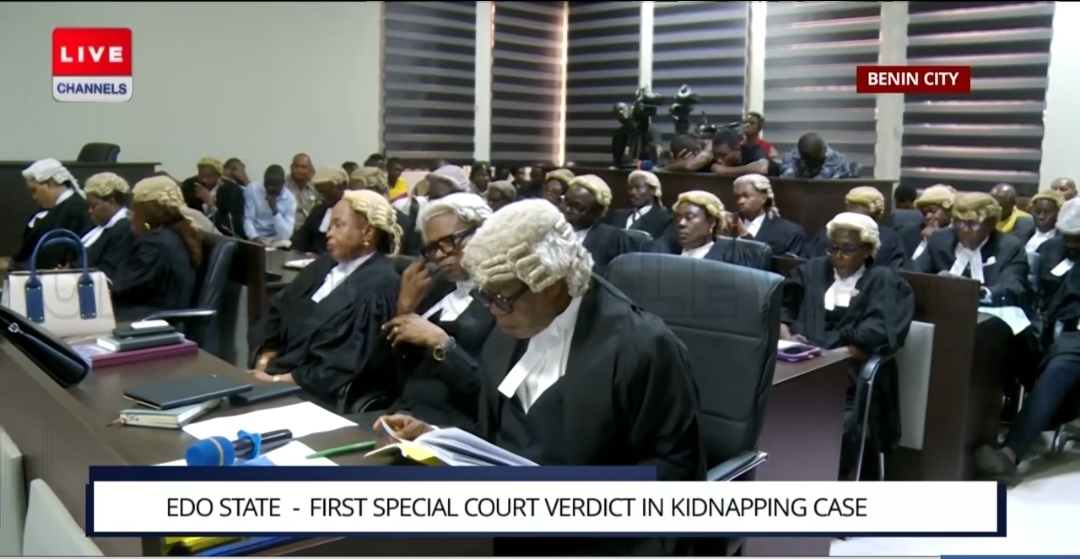
There is an old legal maxim that justice must not only be done, but must also be seen to be done. Somewhere between Osadebe Avenue and King’s Square, however, that venerable principle was evidently fed into a shredder, doused in kerosene, and traded for prime-time television ratings.

A Tale of Two Locations and One Citizenship by Lawson Akhigbe

Passports are supposed to be the great equalizers of national identity. If two people carry the green-backed book stamped with the Nigerian coat of arms, the constitution insists they share the exact same claim to fundamental dignity and justice. But citizenship, like roaming data on a prepaid SIM, appears to depend entirely on which borders your passport happens to cross.

Bail: Nigeria’s Grand Illusion of Justice, Where “Granted” Means “Good Luck Finding a Ghost Surety” by Lawson Akhigbe

In the theater of Nigerian criminal justice, bail is the sparkling prop they wheel out to dazzle the audience with tales of constitutional benevolence, only for the curtain to fall on a punchline so absurd it would make a stand-up comedian blush. Our dear leaders preach presumption of innocence while tying defendants in knots tighter …

The cost of getting a certified true copy of a document at the High Court

A Certified True Copy (CTC) is an officially certified duplicate of an original document kept in court records or government custody. In Nigeria, CTCs are commonly required for court appeals, land matters, visa applications, verification processes and legal transactions involving public documents.

Nigerian Lawyers in Political Careers: A Historical, Structural, and Contemporary Analysis

The intersection of law and politics in Nigeria is profound and longstanding. Lawyers have disproportionately shaped the country’s political landscape, from pre-independence nationalism to post-1999 democratic governance. Legal training emphasizing advocacy, constitutional interpretation, negotiation, evidence-based reasoning, and oratory equips practitioners exceptionally well for political roles. This pattern reflects both the profession’s prestige and Nigeria’s constitutional emphasis on legal expertise in governance.