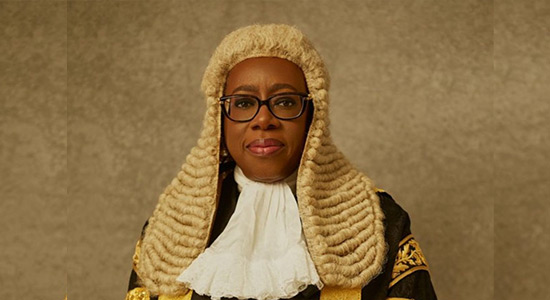
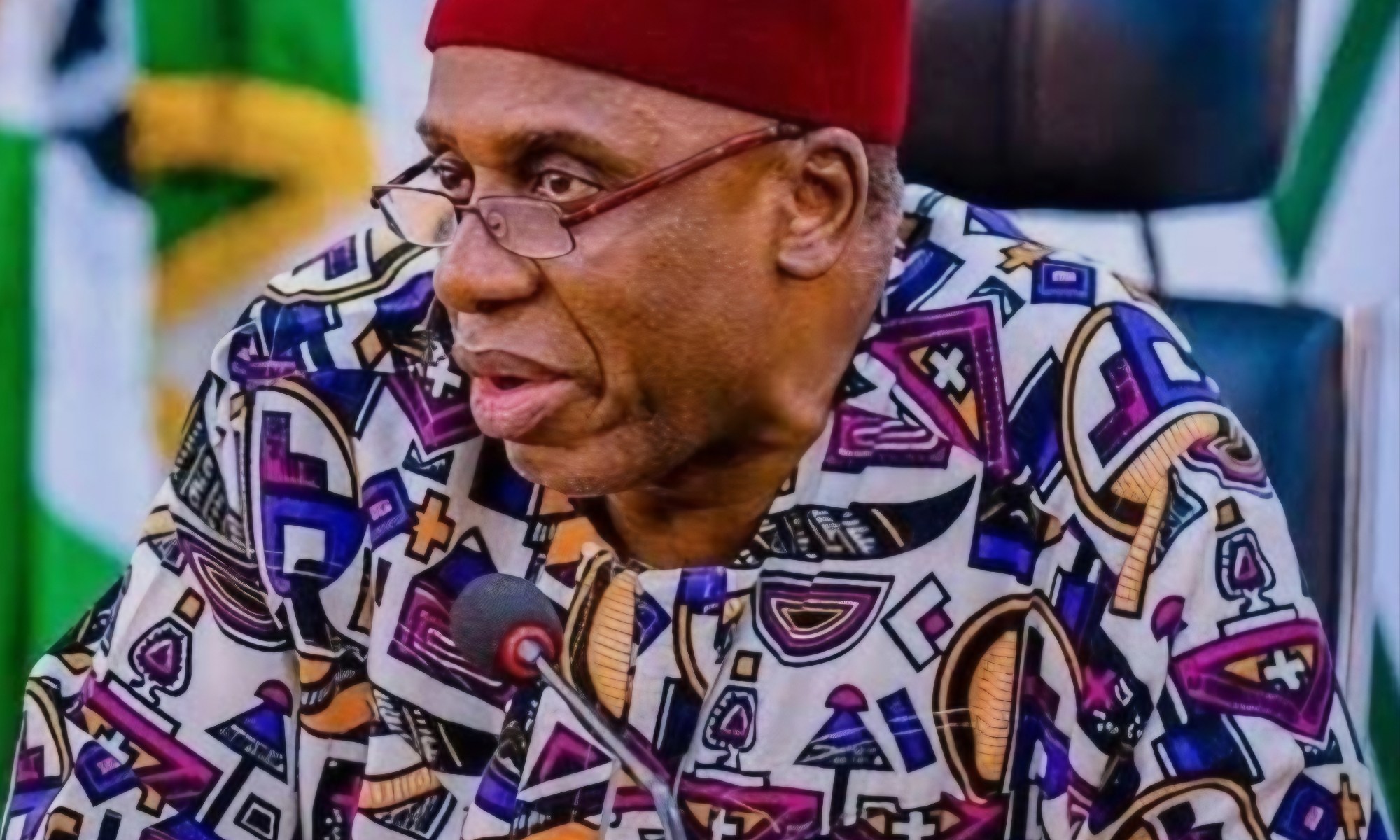
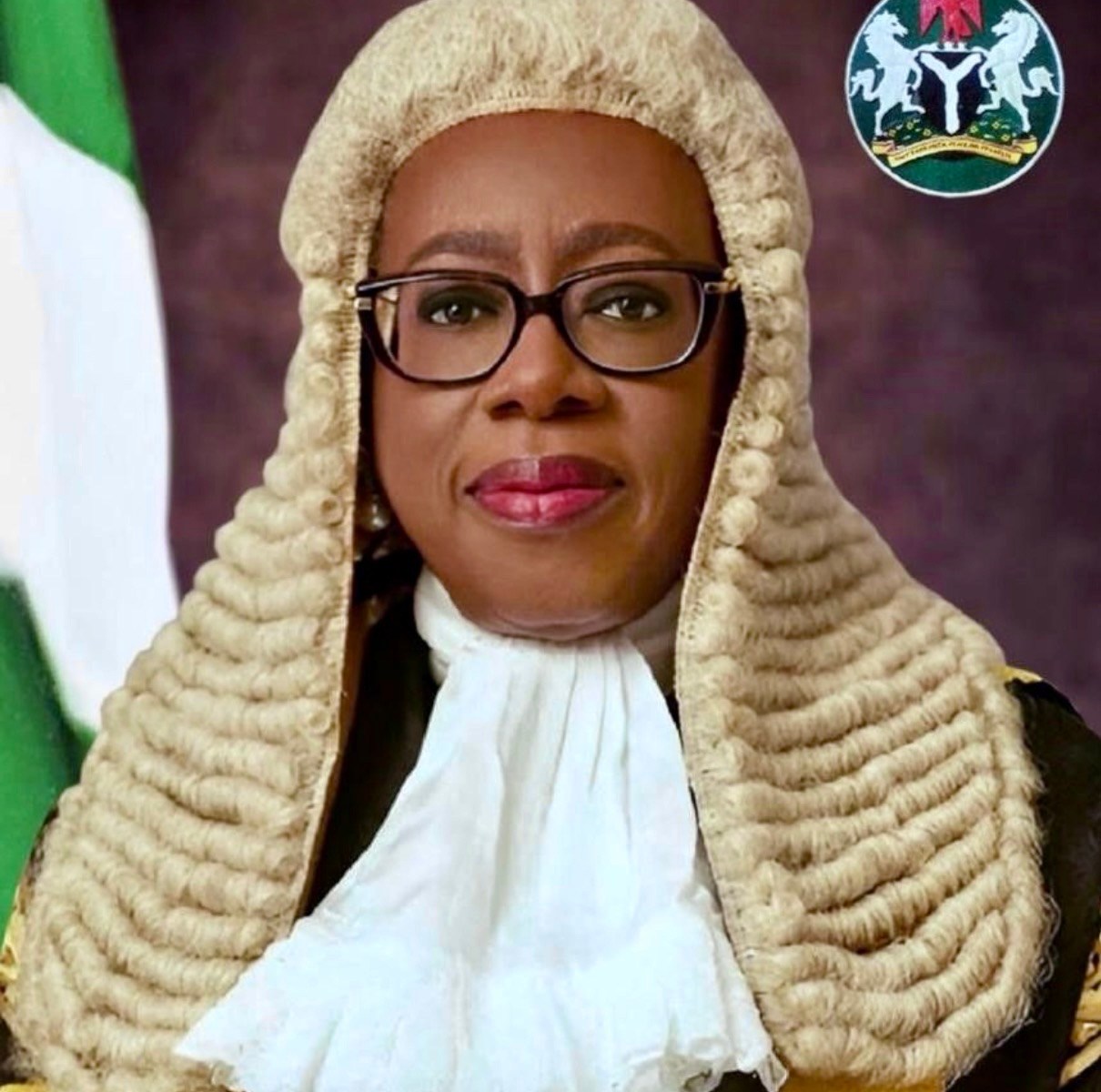
The flight from London had arrived. I was waiting for the Chief Judge of Kwara state. An elderly man wheezed past me imperiously like he owned Ottawa Airport. Like he personally appointed the Mayor of Ottawa. The unmistakable trade mark of the Nigerian. I was going to hail him and ask if he was my guest.
The Nigerian Police Force: A Colonial Machine That Never Changed by Lawson Akhigbe
To understand the modern Nigerian Police Force, one must first understand its origins. The uncomfortable truth is that the institution was never created to protect ordinary Nigerians. It was established to protect the interests of those who ruled Nigeria, first the British colonial administration and later the Nigerian political elite that inherited the colonial state.
Ozalla: When 27 Nigerians Died and the Law Looked Away by Lawson Akhigbe
In 2004, in the heart of Edo State, 27 people reportedly lost their lives in circumstances so horrifying that they read less like a contemporary news report and more like a medieval witch trial.
When the Court Said “No” and the Military Said “Watch Me”: The Landmark Case of Emmanuel Olatunde Lakanmi v. Attorney-General (West) [1971] By Lawson Akhigbe
The Case of Lakanmi & Kikelomo Ola v. Attorney-General (West) & Others The post discusses a landmark Nigerian legal case, "Lakanmi & Kikelomo Ola v. Attorney-General (West) & Others," which highlights the tension between the judiciary and the military government in Nigeria. Background: Following the military coup of January 15, 1966, Nigeria was ruled by the Federal Military Government (FMG) which issued decrees and edicts without a proper court process. Lakanmi and others were seized of their assets under the Western State Assets Forfeiture Edict, which established a tribunal to investigate individuals and seize their assets. Judgment: The courts, remarkably, agreed with Lakanmi and others, and their challenge succeeded. The Supreme Court ruled in their favor again, laying down some of the most important constitutional principles in Nigerian legal history. Constitutional Principles Established: 1. Military Government Is Revolutionary, Not Sovereign: The Supreme Court made a distinction that the military did not govern by inherent sovereign authority. It came to power through revolution, an extra-legal, factual event, and therefore its authority was necessarily limited by the nature of its origin. The post emphasizes the courage and intellectual rigor of the judiciary in delivering a judgment that challenged the military government's authority. It also highlights the government's retroactive legislative action, which nullified the court's judgment and effectively told the judiciary that it would not be needed.
ITS THE CONSTITUTION, STUPID: A QUESTION THAT NEVER NEEDED ASKING By Lawson Akhigbe
The Supreme Court’s 6–3 ruling in Trump v. Barbara successfully blocked an executive order attempting to end birthright citizenship. But the real scandal isn’t that Trump tried to delete the Fourteenth Amendment with a memo—it’s that the Court elevated this transparent stunt into an 18-month crisis by agreeing to hear it at all. You cannot amend the Constitution via an executive order or a regular congressional bill; doing so requires the grueling, historic process of Article V. Treating a foundational constitutional right as a casual negotiation opener is political vandalism from the White House, and a "romantic delusion" from a Court that gave the attack a stage. The constitutional wall stood, as it always was going to. The pity is that the judiciary treated the assault on it as a debate worth entertaining, putting the status of 255,000 children a year on trial for pure political theater.