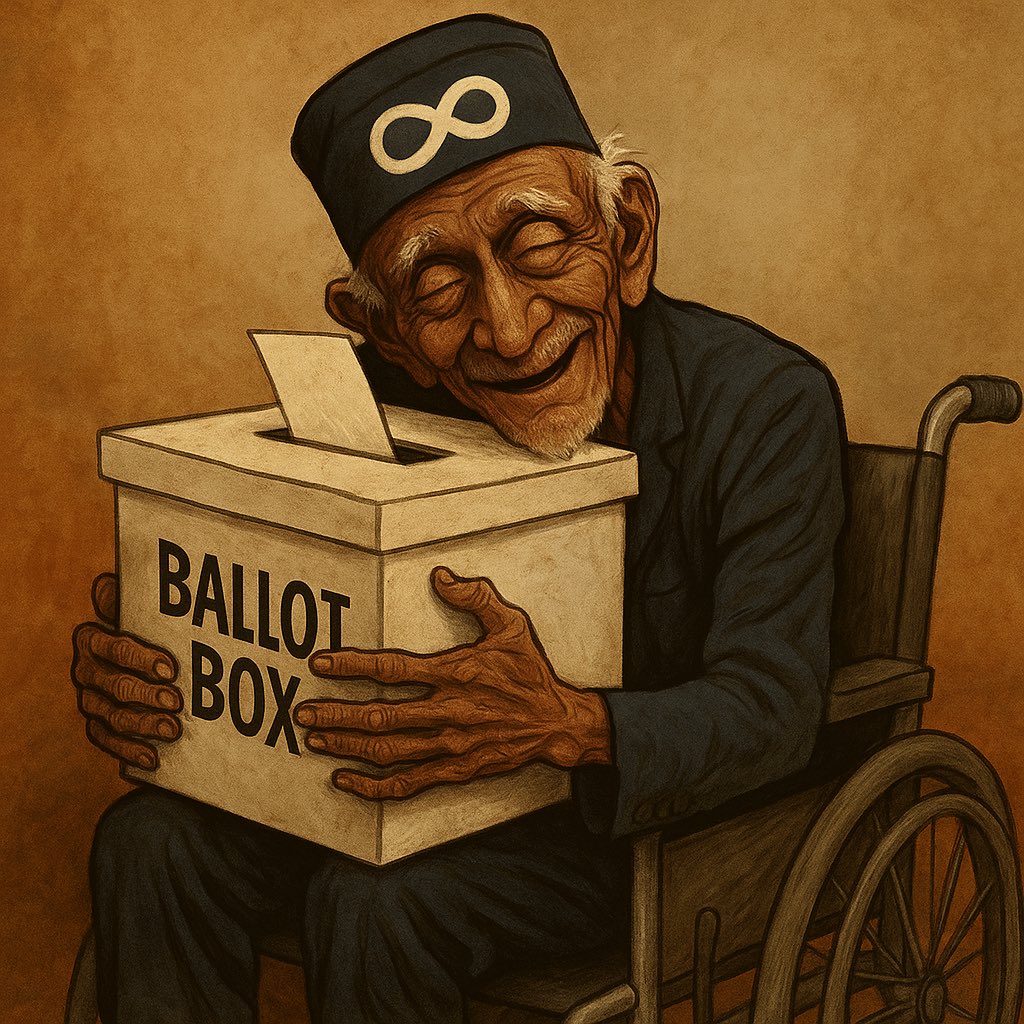
This is not an isolated comedy of errors. It is a textbook illustration of the black holes deliberately engineered into Nigeria’s public finance architecture opaque pockets that swallow money, evade legislative eyes, and render executives unaccountable. The Bodija tranche is merely one shiny pebble in a vast, dark galaxy of special interventions, contingency advances, service-wide votes, ecological funds, security “emergency” deductions, and other discretionary vehicles that allow the executive to move (or park) billions with minimal sunlight.
The Legend of “Hannibal”: How a civilian built the most feared reputation of the Biafran War
To the rank-and-file Biafran soldiers and civilians, he was "Hannibal" a fearless, bulletproof folk hero who rushed toward the frontlines when trained officers hesitated. To the regular Biafran High Command men who had formal military training in the Nigerian Army before the 1967 secession he was a loose cannon, a publicity hound, and an absolute nightmare of a disciplinarian.
Senator Debtor’s ‘Art of the Deal’: A 10-Step Guide to Evading AMCON Recoveries
Get the Loan. (This is the easy part). Preferably a large, multi-billion naira sum from a struggling bank. Use your political clout as collateral – it’s worth more than anything tangible!
Abacha-Era Corruption: A Deep Dive into Nigeria’s Most Notorious Kleptocracy (1993–1998) by Lawson Akhigbe
This was enabled by authoritarian control: no independent legislature or judiciary, weak oversight, and a patronage network treating public coffers as extensions of personal or regime power. International complicity—lax due diligence by banks—facilitated laundering through U.S. institutions and bond deals.
Human Rights Violations Investigation Commission (Oputa Panel)
The Human Rights Violations Investigation Commission, popularly known as the Oputa Panel, remains one of the most significant yet controversial attempts at transitional justice in Nigeria's history.