Tinubu’s Lagos Governance Tactics (1999–2007): The Laboratory for the “Lagos Model” by Lawson Akhigbe

These tactics blended fiscal innovation, technocratic recruitment, institutional reform, political networking, and strategic confrontation with the federal government. They created the so-called “Lagos Model”, a proof-of-concept for sub-national self-sufficiency that influenced his successors (Fashola, Ambode, Sanwo-Olu) and later his national approach.

The Anatomy of Nigeria’s Kidnapping Industry by Lawson Akhigbe

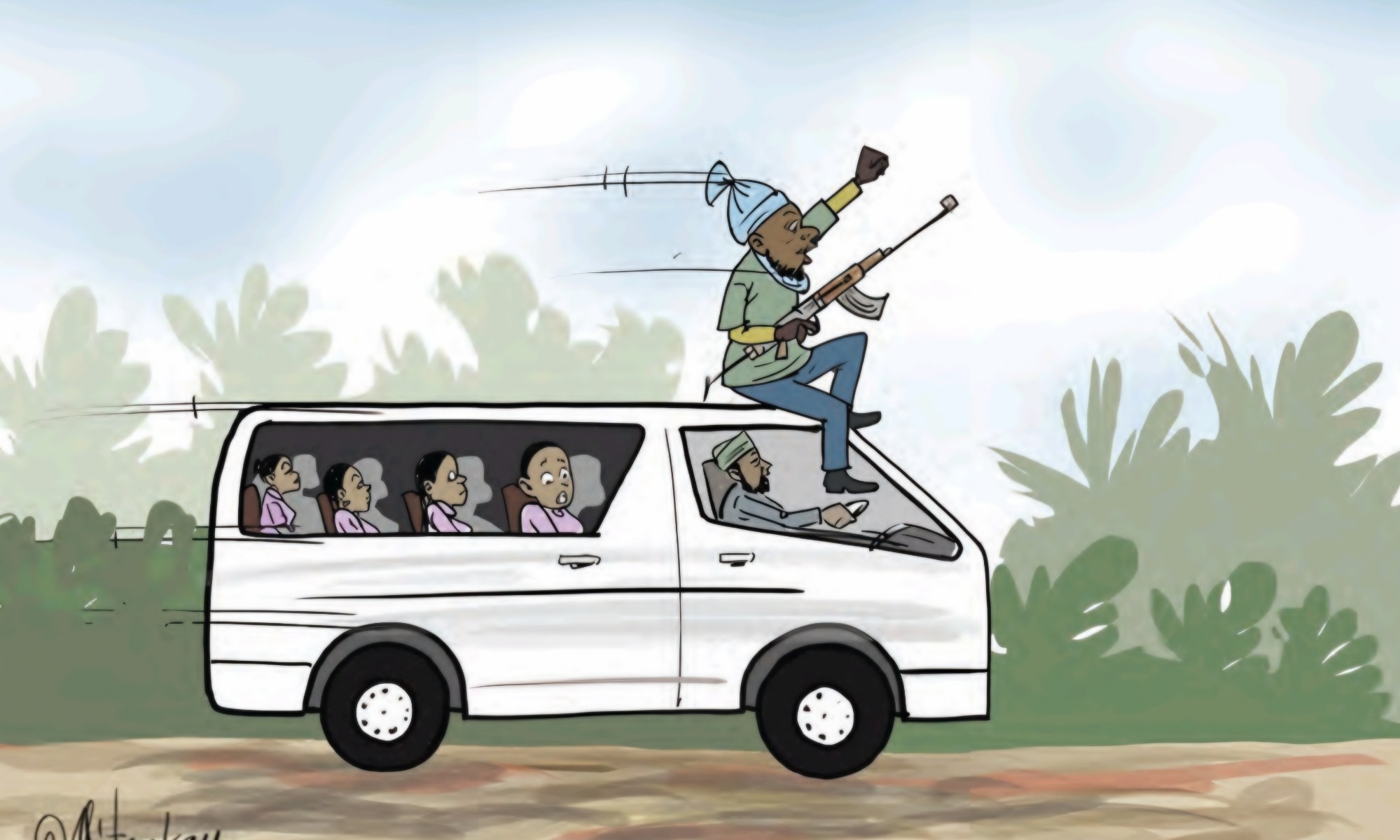
Dr. Hakeem Baba-Ahmed: "Last year, my nephew was kidnapped. That's my late sister's son, along with three other people. They went to a farm they had hired... and they were kidnapped just a few miles between Kaduna on the way to Kachia.

Black Holes in the Public Purse by Lawson Akhigbe

This is not an isolated comedy of errors. It is a textbook illustration of the black holes deliberately engineered into Nigeria’s public finance architecture opaque pockets that swallow money, evade legislative eyes, and render executives unaccountable. The Bodija tranche is merely one shiny pebble in a vast, dark galaxy of special interventions, contingency advances, service-wide votes, ecological funds, security “emergency” deductions, and other discretionary vehicles that allow the executive to move (or park) billions with minimal sunlight.

Abacha-Era Corruption: A Deep Dive into Nigeria’s Most Notorious Kleptocracy (1993–1998) by Lawson Akhigbe

This was enabled by authoritarian control: no independent legislature or judiciary, weak oversight, and a patronage network treating public coffers as extensions of personal or regime power. International complicity—lax due diligence by banks—facilitated laundering through U.S. institutions and bond deals.