Nigeria’s judicial budget

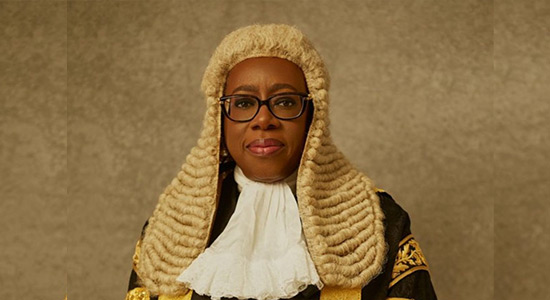
Nigeria’s judicial budget is a complex, contentious issue at the intersection of constitutional design, fiscal federalism, political power dynamics, and the practical realities of justice delivery. While the 1999 Constitution (as amended) enshrines judicial independence including financial autonomy the implementation reveals deep gaps between legal provisions and on-ground realities.

Two-Tier Policing: When Open Faces Become Terrorism and Balaclavas Become Civic Duty by Lawson Akhigbe

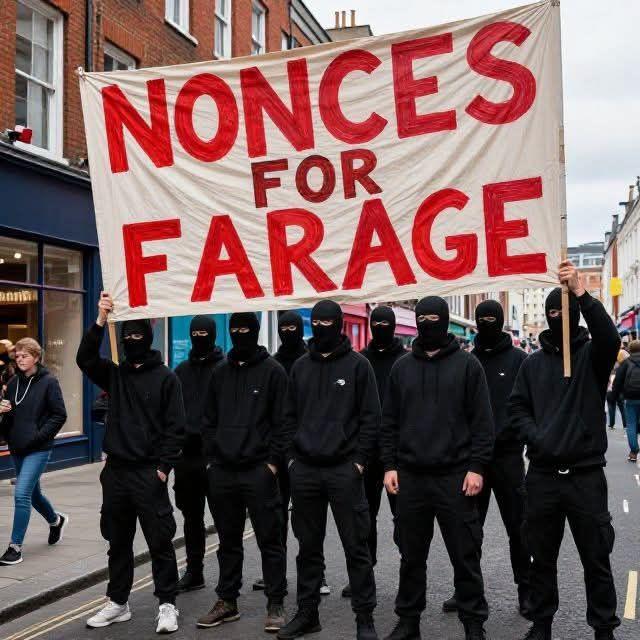
First, the Palestine Action episode. These were people who did not bother with balaclavas or the theatrical anonymity so beloved of the modern political cosplay set. They targeted warehouses and facilities linked to the supply of arms to the Israeli military. The Labour government, with the practised solemnity of a government discovering its inner authoritarian, reached for the terrorism laws. Proscription followed. Arrests followed. Jail terms followed. Even the barristers who dared to represent them found themselves in the crosshairs. The message was clear: damage property in the service of a cause the government finds inconvenient, and you will be treated as the domestic equivalent of Al-Qaeda, complete with the full legal theatre that accompanies such a designation.

A Tale of Two Locations and One Citizenship by Lawson Akhigbe

Passports are supposed to be the great equalizers of national identity. If two people carry the green-backed book stamped with the Nigerian coat of arms, the constitution insists they share the exact same claim to fundamental dignity and justice. But citizenship, like roaming data on a prepaid SIM, appears to depend entirely on which borders your passport happens to cross.

The Cane, the Conference, and the Curious Case of Self-Sabotage by Lawson Akhigbe

Behold the main character of British politics in 2026: a white, elderly gentleman, clearly leaning on a sturdy wooden cane for support, accredited badge swinging proudly from his neck at the Reform UK conference. Mouth open in mid-roar, eyes locked in righteous fury, he has somehow decided that the greatest threat to civilisation in that moment is a young woman holding a handbag. The crowd of fellow pensioners and patriots looks on with varying degrees of encouragement. Somewhere in the background, the usual sea of white hair and earnest lanyards nods along

The Moths to the Flame: Why Do Populist Movements Always Attract Such “Enterprising” Characters? By Lawson Akhigbe

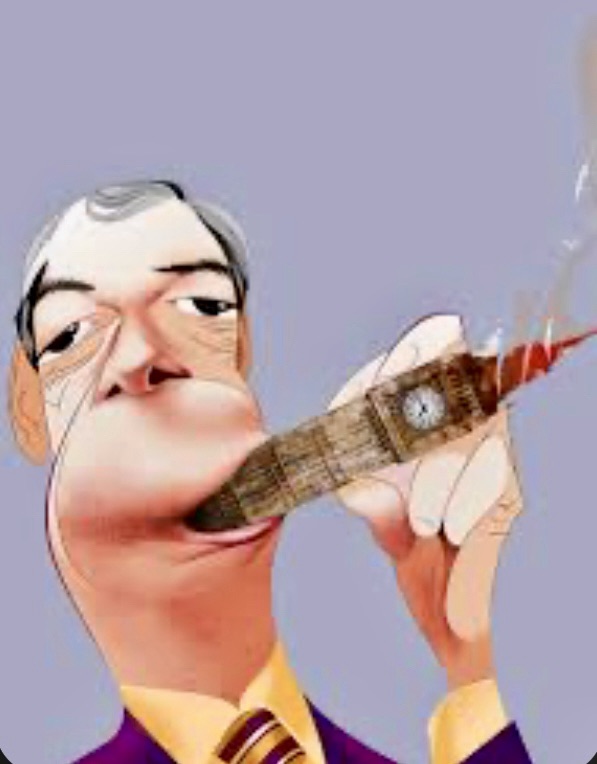
There is an eternal, almost Newtonian law of modern politics: wherever a politician loudly proclaims they are "standing up for the forgotten working man," you will inevitably find a discreet corner table in a private Mayfair club where someone is eagerly trying to launder foreign money.