

There’s a certain irony in invoking Hungary as a cautionary tale for democratic backsliding, strongman politics, and the slow suffocation of institutions—because, if we’re being honest, the prototype has been quietly stress-tested in Lagos for over two decades.
Call it federalism’s favourite loophole: build a state so politically airtight that it becomes a personal estate—complete with gatekeepers, rent collectors, and a long queue of political tenants who understand that their lease is renewable only at the pleasure of the landlord.
Enter Bola Tinubu.
Since 1999, Lagos has functioned less like a competitive political ecosystem and more like a well-managed franchise. Governors come and go, but the brand remains intact. From Alausa to the motor parks, from local government patronage networks to party structures, the system has been vertically integrated with impressive efficiency. If politics were a tech stack, Tinubu built the backend, controls the API, and audits all user activity.
Appointments are curated. Dissent is managed. Loyalty is rewarded. And when necessary, the enforcement layer—informal but effective—ensures compliance. It is governance, yes, but with the quiet hum of a machine that does not expect to be challenged.
Which is why 2023 was… awkward.
In the great electoral arithmetic that precedes every Nigerian election, Lagos would have been pencilled in—bold ink, underlined twice—as a guaranteed return. Not just a win, but a statement. The home base. The fortress. The showroom.
And yet, something unusual happened.
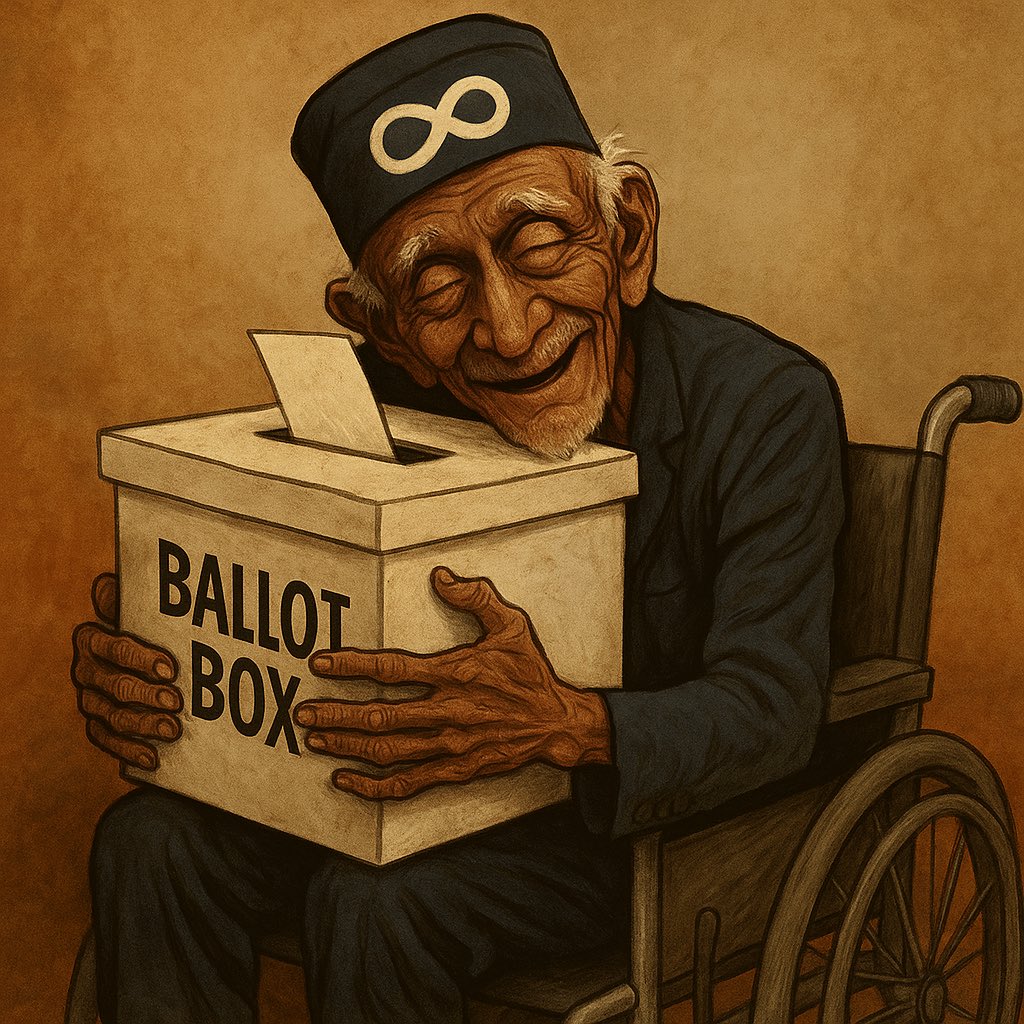
The voters—those often underestimated, occasionally mobilised, frequently ignored variables—refused to follow the script. The result? Tinubu lost Lagos in the presidential vote. Not narrowly. Not ambiguously. Decisively enough to puncture the myth of invincibility.
The man who mastered the machinery was outpaced by the mass.
It was less a rebellion and more a systems failure—from the perspective of the old order. Because what Lagos demonstrated is something profoundly inconvenient for entrenched political architectures: scale beats structure, if properly activated.
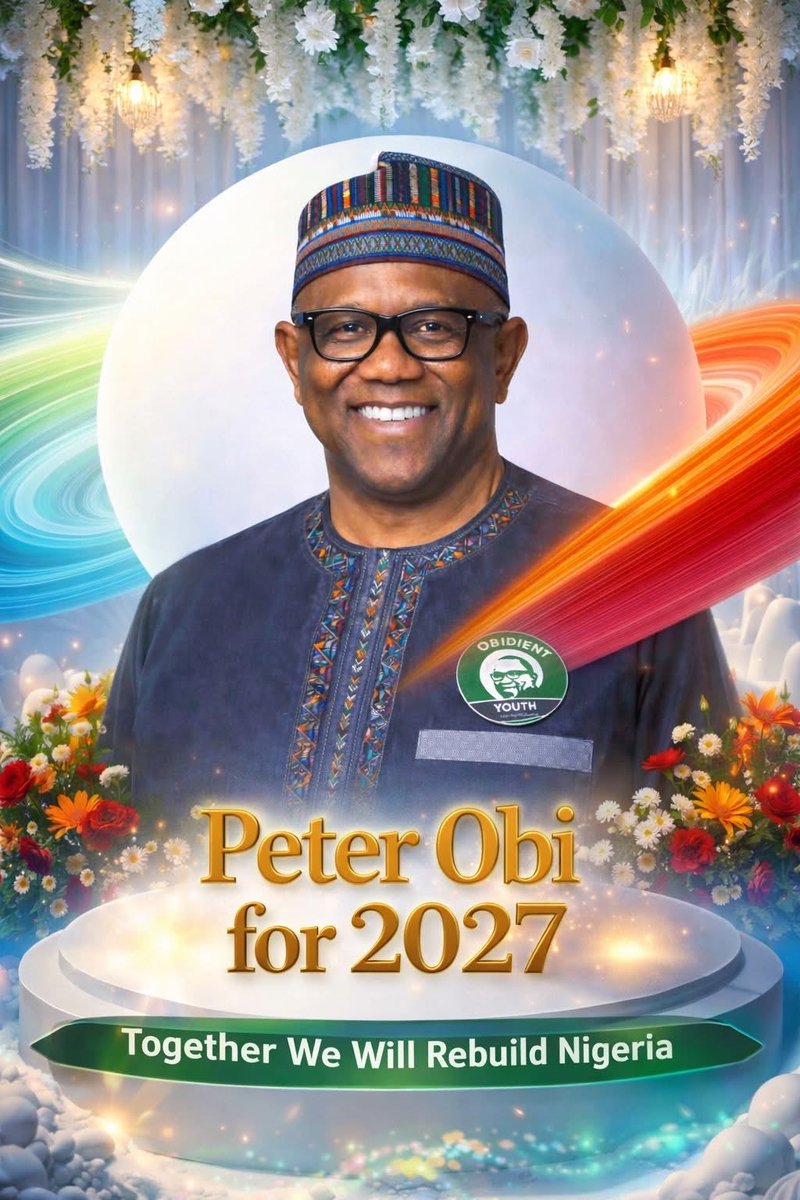
This is where Peter Obi enters the frame—not as a messiah (Nigeria has had quite enough of those), but as a case study in mobilised dissent. His Lagos performance wasn’t about perfection; it was about proof. Proof that a well-organised, broad-based coalition of voters can overwhelm even the most entrenched political networks.
In other words, Lagos ran a live experiment: what happens when the electorate stops negotiating with the system and simply outnumbers it?
Now, back to Hungary.
The anxiety about “Hungarian-style” politics is rooted in the gradual capture of institutions—courts, media, electoral frameworks—until the game is technically democratic but practically predetermined. Sound familiar? The difference is that Lagos, in 2023, showed a counterfactual: even within a heavily managed political environment, disruption is possible.
Not easy. Not guaranteed. But possible.
And that brings us to 2027.
If Lagos is the template, then the lesson is brutally simple: you don’t dismantle a political machine by complaining about it. You overwhelm it. You outvote it. You make its intricate networks irrelevant through sheer democratic volume.
This is less about personalities and more about mechanics. But personalities help, and Obi, whether one likes him or not, has already demonstrated an ability to catalyse that volume. The question is whether that energy can be scaled nationally, sustained over time, and translated into a coherent electoral strategy rather than a moment of enthusiasm.
Because Tinubu’s model is not fragile—it has endured for decades for a reason. It adapts. It absorbs shocks. It rewards loyalty and punishes deviation. It is, in many ways, the most sophisticated political operation Nigeria has produced.
But Lagos revealed its Achilles’ heel: it is still, ultimately, dependent on voters showing up—or not.
So yes, Hungary might yet be a warning. But Lagos is the case law.
And if 2023 was the precedent, then 2027 is the appeal.

