

Ransom strategies—demanding payment, prisoners, or concessions in exchange for captives—have been a fixture of conflict for millennia. They blur lines between warfare, crime, and economics, often transforming violence into a sustainable revenue stream. In ideological conflicts, ransom can fund operations; in profit-driven ones, it becomes the core incentive. The “starve the beast” approach—refusing payment to dry up funding—has succeeded in some cases but carries high human costs, as seen in debates over terrorist kidnappings today. This exploration draws on examples across eras, examining tactics, outcomes, ethical tensions, economic implications, and edge cases like state vs. non-state actors or ideological vs. mercenary motives.
Ancient Foundations: Personal Honor, Deterrence, and Retaliation
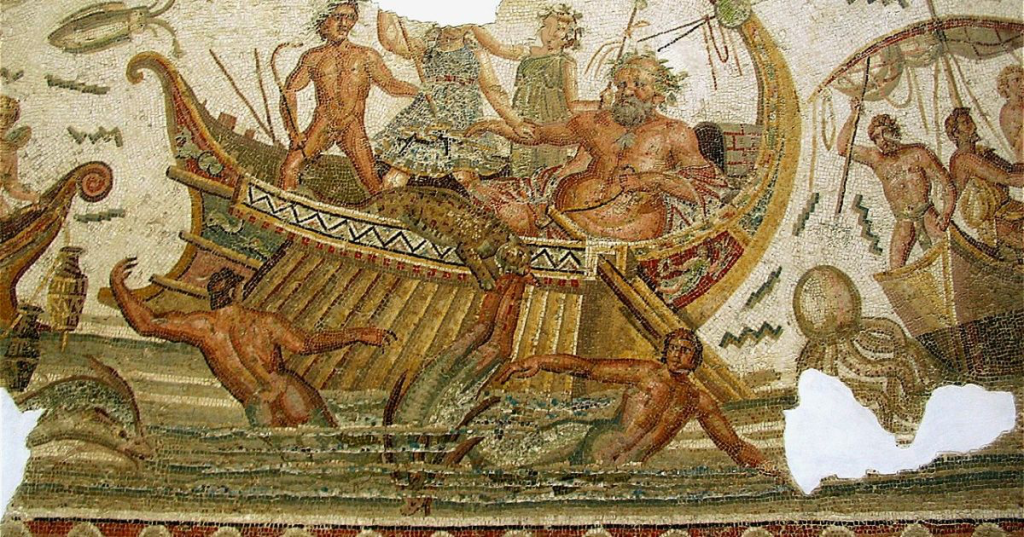
In classical antiquity, ransom was personal and punitive. A prime example is Julius Caesar’s 75 BCE capture by Cilician pirates in the Aegean Sea. The 25-year-old Roman noble scoffed at their 20-talent demand (a talent was roughly 26 kg of silver), insisting on 50 talents as befitting his status. He spent 38 days in captivity, reportedly joking about crucifying his captors. After payment and release, Caesar raised a fleet, recaptured the pirates, and had them crucified—fulfilling his vow while reclaiming the ransom.
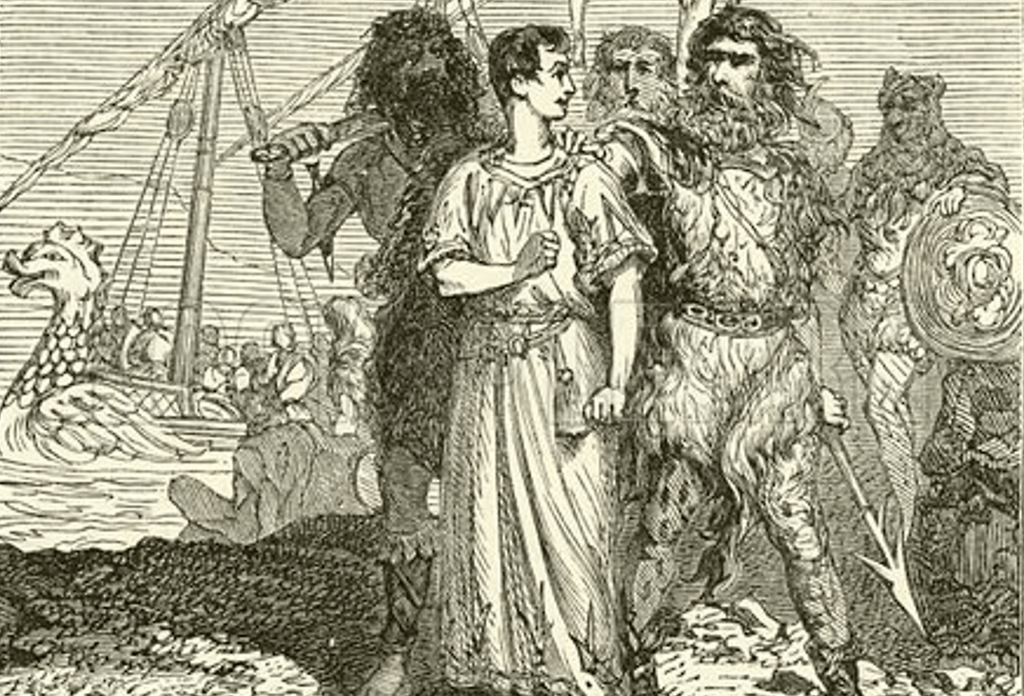
This wasn’t mere revenge; it was strategic signaling. Romans viewed piracy as a threat to trade, and Caesar’s actions deterred future abductions while enhancing his reputation. Broader Roman practice treated captives as assets: enemy nobles fetched high ransoms to fund legions, while commoners might be enslaved. Nuances emerged in edge cases—ransom could buy time for alliances or intelligence, but overpayment signaled weakness, inviting escalation. Implications: Early strategies emphasized individual agency and immediate retaliation over systemic policy, contrasting later institutional approaches.
Medieval and Early Modern Eras: Warfare as Business
By the Middle Ages, ransom professionalized in knightly warfare. Capturing high-value nobles (rather than killing them) financed campaigns, as rulers often lacked standing armies or tax authority for prolonged wars. In the Italian Wars (early 1500s), ransoms of captured nobles reportedly funded much of the fighting. The phrase “a king’s ransom” originated from Richard the Lionheart’s 1192–1194 captivity by Duke Leopold V of Austria during the Crusades; England paid a massive sum equivalent to years of revenue.
Strategies here balanced profit with chivalry codes (e.g., the jus militare), but nuances abounded: over-reliance on ransom could prolong conflicts, as victors preferred live captives. Edge cases included non-combatants or women, sometimes ransomed for political marriages. Long-term implication: This embedded ransom into feudal economies, making war self-sustaining but socially destabilizing when commoners bore the tax burden indirectly.
Barbary Pirates and the Birth of “No-Concessions” Resolve
The late 18th–early 19th centuries highlight state-level ransom dilemmas. North African Barbary states (Algiers, Tripoli, Tunis, Morocco) systematically seized ships, enslaving crews and demanding tribute or ransoms—essentially state-sponsored piracy under Ottoman suzerainty. Post-American Revolution, the U.S. lost British naval protection; by 1795, tribute consumed one-fifth of the federal budget, with Algiers escalating demands (e.g., from $200 to $3,000 per captive).
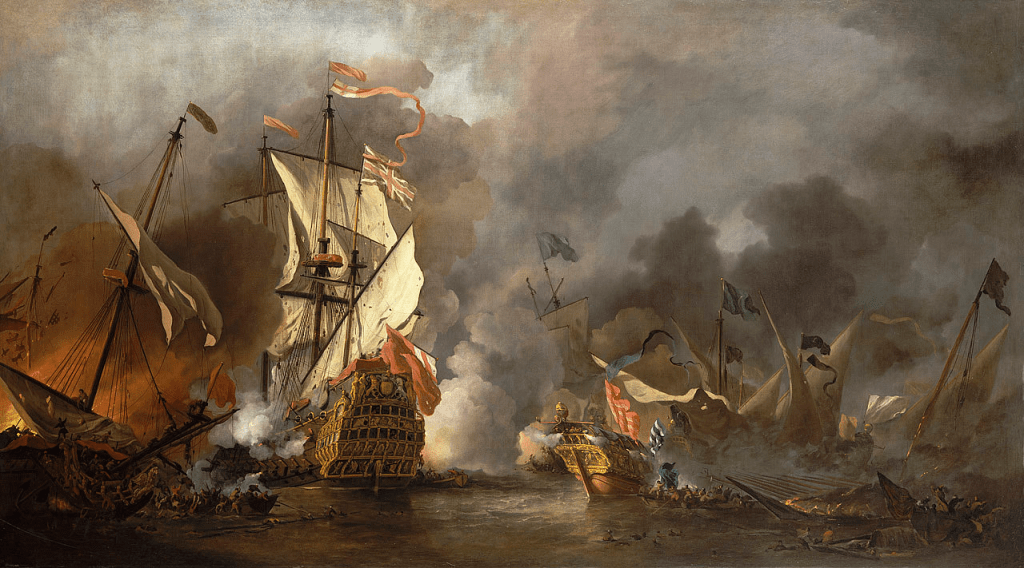
Thomas Jefferson and John Adams debated payment vs. war in 1785. Initial U.S. policy paid to free sailors (e.g., 83 from Algiers), but Jefferson shifted: the First Barbary War (1801–1805) used naval blockades and Marines (“to the shores of Tripoli”) to force treaties without ongoing tribute. A 1805 Tripoli deal included a one-time $60,000 ransom but ended annual payments. The Second War (1815) under Madison sealed it.
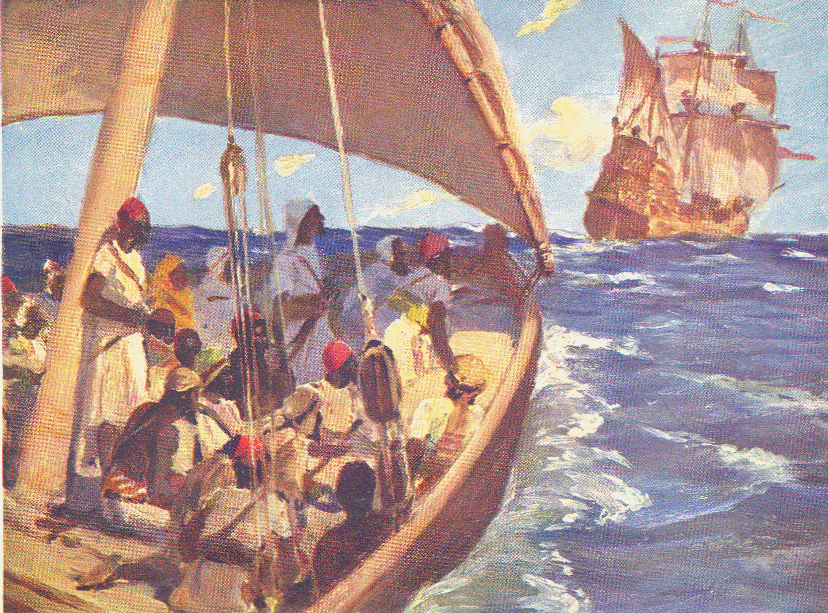
Nuances and outcomes: Paying perpetuated the system (pirates grew bolder); refusal + military force dismantled it, proving “starve the beast” viable when paired with capability. Edge case: European powers like Britain paid longer for trade access, showing geopolitical context matters. Implication: Economic leverage succeeded where sentiment failed, but at naval investment cost—foreshadowing modern counter-piracy.
20th–21st Century Insurgencies: Ransom as Protection Racket
Modern conflicts reframed ransom as insurgent financing. Colombia’s FARC (Revolutionary Armed Forces of Colombia) exemplifies this: from the 1990s–2000s, they kidnapped over 20,000 for ransom to enforce “taxes” on locals, punish evasion, and deter shirking in their protection racket. Interviews with ex-combatants reveal kidnapping as the most lucrative enforcement tool—far more than ideology alone. Colombia’s 1993 payment ban was struck down by courts (privacy rights), and threats to multinationals in 2011 followed reports of $2.6M payouts. Resolution came via military innovation: Operation Jaque (2008) used deception (fake NGOs) for a bloodless rescue of 15 hostages, including Ingrid Betancourt, without payment. Combined with demobilization, it contributed to FARC’s decline.
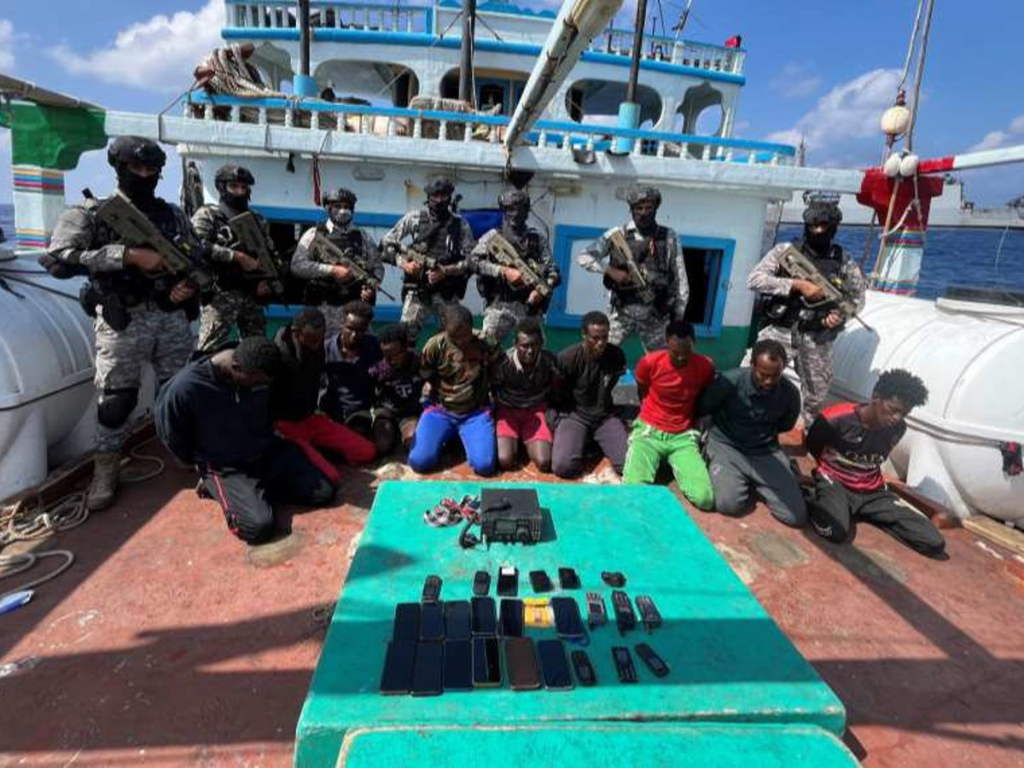
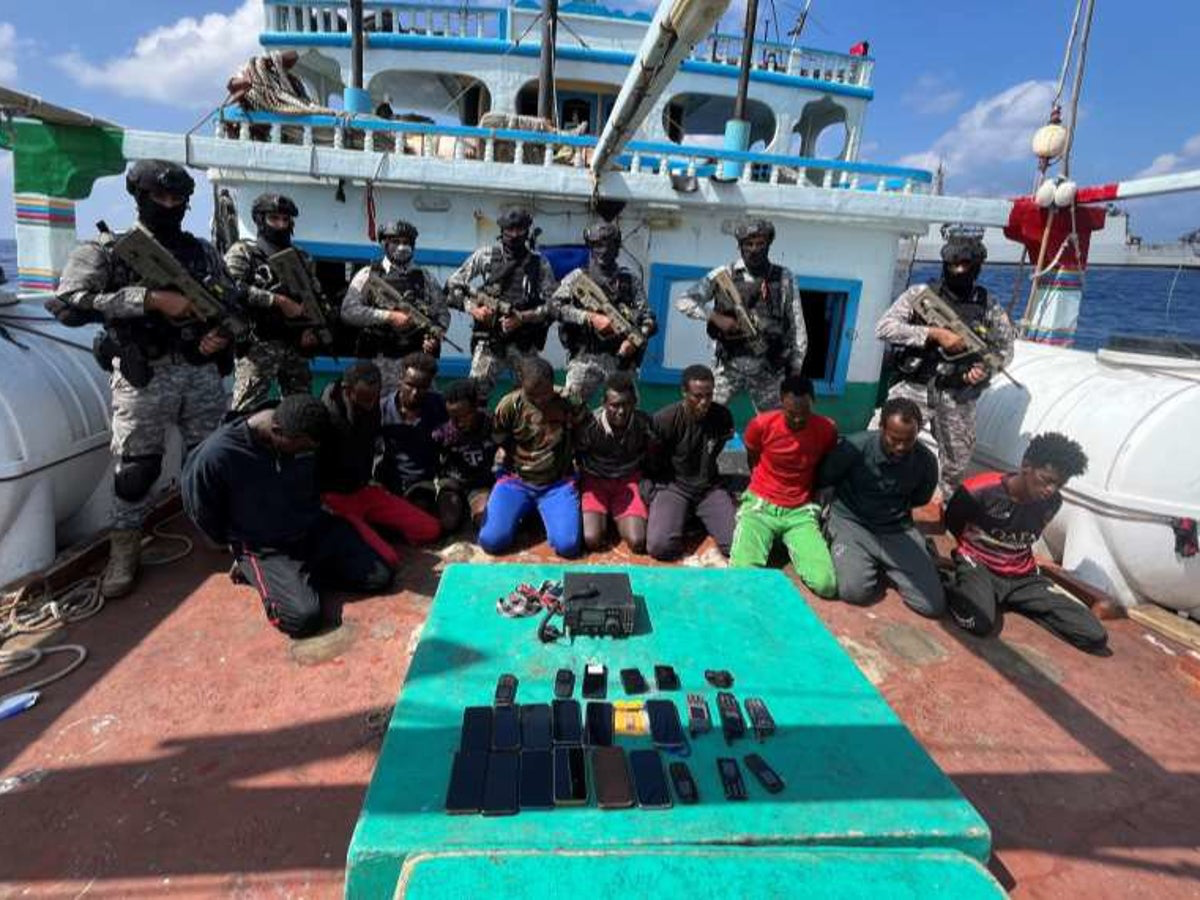
Parallel in Somali piracy (2005–2012 peak): Pirates hijacked ships in the Gulf of Aden/Indian Ocean, netting ~$80M in 2008 ransoms (total $315–385M 2005–2012). Motivated by economic despair and foreign overfishing, it became a clan-based industry with safe anchorages. International response—EU/NATO naval task forces, private armed guards, Best Management Practices—cut attacks 75% by 2012. Ransoms incentivized growth; coordinated refusal + force starved it. Some proceeds allegedly funneled to Al-Shabaab, blending crime and terror.
Jihadist groups (Al-Qaeda in the Islamic Maghreb, Boko Haram, Abu Sayyaf, ISIS) treat kidnapping for ransom (KfR) as “easy spoil” and “profitable trade.” 2010–2016 saw spikes; Europe paid heavily (e.g., France ~$58M+ since 2008, including $40M for Mali hostages). U.S./UK “no-concessions” policy prioritizes deterrence, arguing payments fund terror (over $1B globally since 2010 to jihadists). Evidence is mixed: EU hostages released at higher rates (8/10 vs. 1/4 U.S.), but Americans/British faced higher execution risk. French 2010 shift to rescues increased deaths short-term; rescues carry ~20% hostage fatality risk.
Italy’s 1991 mafia ransom ban froze family assets and reduced Ndrangheta kidnappings, though illicit payments persisted and groups pivoted to drugs. Colombia’s experience shows bans alone insufficient without enforcement.
Nuances, Edge Cases, and Broader Implications
- Pay vs. Refuse Trade-offs: Paying saves immediate lives and provides negotiation intel for tracking groups but creates moral hazard (e.g., Al-Qaeda’s Yemen leader called it “precious treasure”). Refusal risks deaths (propaganda beheadings) but can collapse revenue models—FARC weakened, Somali piracy plummeted. No clear data proves U.S. policy reduces targeting; it may harden resolve.
- Economic vs. Ideological Motives: Profit-driven actors (Somali pirates, Nigerian bandits per related analyses) collapse faster when cash-starved than ideologues. Hybrid cases (Boko Haram’s specialized task forces) adapt via diversification.
- State vs. Non-State: Governments historically paid for citizens (Barbary) but now coordinate internationally (UN resolutions, insurance regulations). Non-state bans (Italy) shift crime patterns.
- Ethical/Policy Angles: Humanitarian vs. strategic—families decry bans as callous; analysts note it institutionalizes terror. Prisoner swaps (e.g., U.S. Taliban exchanges) differ from cash, avoiding funding.
- Edge Cases: High-value hostages (royals, executives) invite escalation; low-value ones die quickly. Climate/failed states amplify (Somalia fishing grievances). Modern ransomware mirrors this digitally.
- Long-Term Societal Effects: Sustained ransom economies erode governance (corruption, lost legitimacy) and distort markets (insurance booms, shipping reroutes costing billions). Successful “starve” strategies require alternatives (jobs, security) to prevent recidivism.
In sum, history shows ransom strategies thrive when unchallenged but yield to combined refusal, military innovation, and economic disruption. From Caesar’s crucifixions to FARC’s dismantlement, the pattern favors leverage over appeasement—yet always at the cost of lives and complexity. These lessons underscore why cutting cash flows remains contentious: effective, but never painless.

