


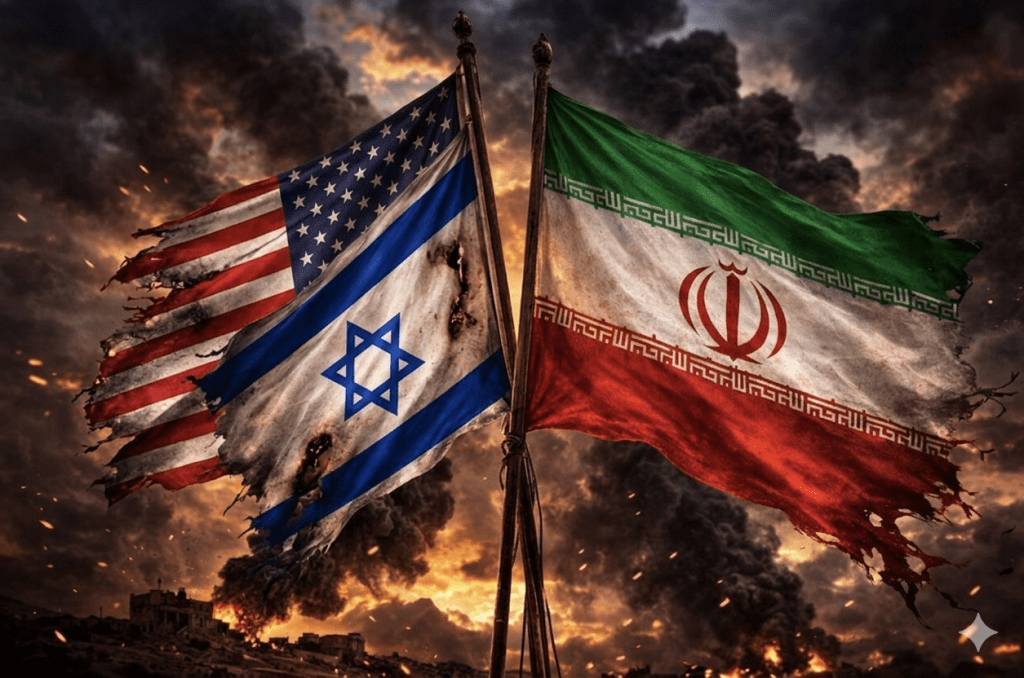
Most African economies swept into 2026 with the wind in their sails after recording the best growth in a decade.
Then the US and Israel attacked Iran.
Just like the Russian invasion of Ukraine in 2022 and the Covid pandemic two years earlier, the continent will pay the price for far-away events that it didn’t start.
A Middle East ceasefire may be holding, but the conflict has already lifted oil prices by more than 30% since fighting began on Feb. 28. Fertilizer is up by an even larger margin.
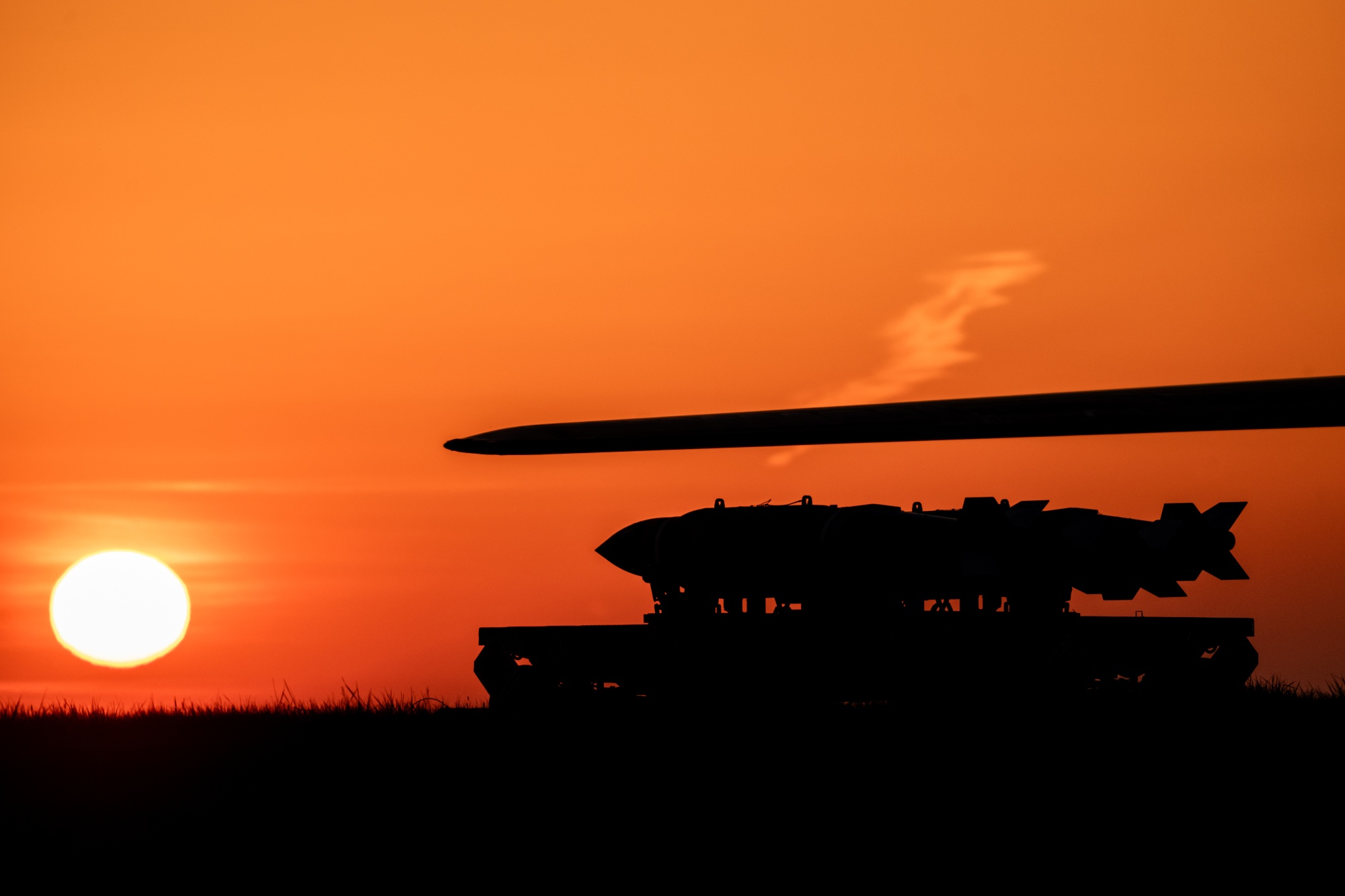
Bombs next to a US Air Force Rockwell B-1B Lancer in Fairford, UK, on Wednesday.
Photographer: Chris J. Ratcliffe/Bloomberg
That risks slower growth and higher inflation.
The International Monetary Fund warns that 20 million more people could be confronting food insecurity in a region that’s already home to many of the world’s poor.
In its outlook for sub-Saharan Africa, released in Washington yesterday, the IMF trimmed its growth forecast for this year and warned the situation could get significantly worse if fighting drags on.
That would stoke potential social unrest in a region that’s recently witnessed a spate of deadly protests sparked by fury over high living costs and a lack of opportunities.
To be sure, some African countries have put public finances onto a stronger footing after learning hard lessons in the aftermath of the pandemic, when surging prices and higher interest rates shut governments out of international capital markets.
Yet the IMF estimates that more than a third of nations on the continent remain at high risk of debt distress, or are already experiencing it.
That raises the potential threat posed by a prolonged Iran war, even if economic heavyweights South Africa and Nigeria are in better shape to navigate the headwinds than they were before.

