


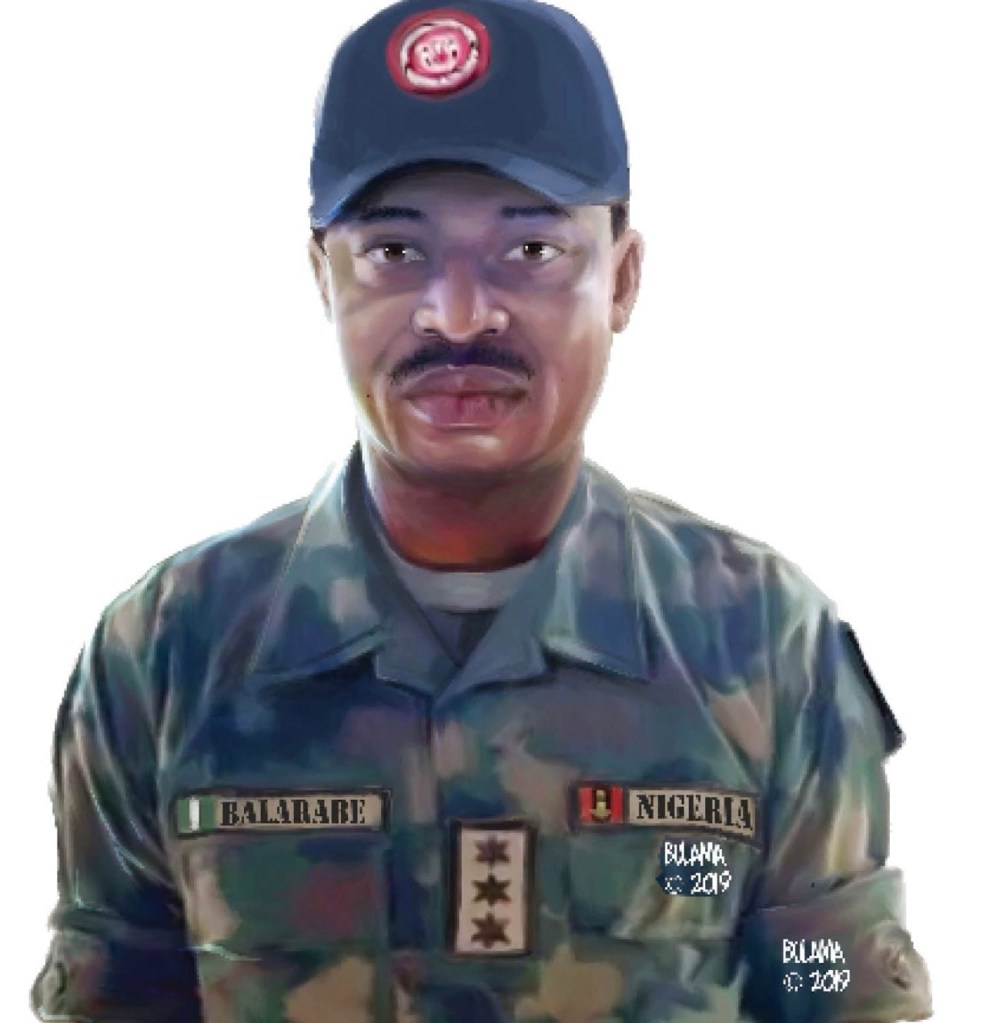
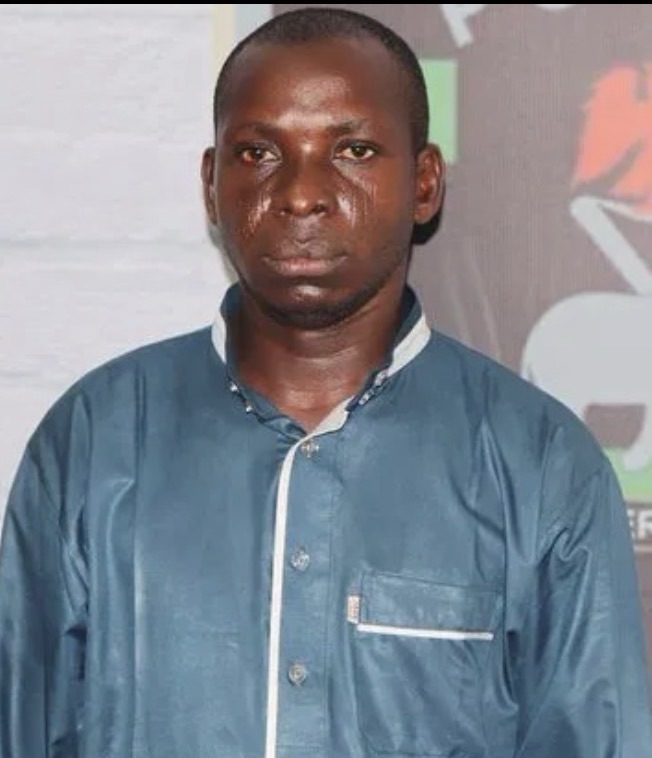
Seven years after soldiers under Captain Tijjani Balarabe gunned down three police officers and two civilians in Taraba State to free a handcuffed kidnap kingpin, the Wadume affair remains a blistering indictment of Nigeria’s rotten security system. In August 2019, troops opened fire on an unmarked police Intelligence Response Team vehicle, slaughtered law enforcement personnel, and brazenly uncuffed Alhaji Hamisu Bala—better known as Wadume—a notorious ransom baron with blood on his hands and guns supplied to terrorists. Phone records revealed 191 conversations between Balarabe and Wadume in the preceding month alone. Confessions detailed cash, fish, vehicle repairs, and fuel “gifts” from the criminal to the officer. Yet instead of swift punishment, the episode triggered a shameless cover-up that continues to mock justice and fuel an unrelenting kidnapping epidemic.18
As of April 2026, with Nigeria drowning in fresh waves of mass abductions—hundreds taken in single raids, billions demanded in ransom, and thousands killed or terrorized—the case screams governmental failure at its most grotesque. Civilian leaders and military brass chose self-preservation and institutional cosiness over the lives of citizens, turning security forces into enablers of the very chaos they claim to combat.
The Taraba Massacre: Collusion in Cold Blood
Troops from the 93 Battalion intercepted the police convoy on the Ibi-Jalingo Expressway after a civilian distress call. They unleashed lethal fire despite the officers’ protests, then freed Wadume—a kingpin tied to high-profile abductions, arms trafficking, and banditry—and reportedly instructed him to “go home.” A welder cut his restraints on the spot. Police evidence exposed the damning phone logs, Wadume’s admissions of payoffs to Balarabe, and operational sabotage. This was no tragic mix-up. It was a lethal betrayal that exposed potential military-criminal symbiosis thriving in Nigeria’s bandit-infested zones.24
Wadume’s Mock Trial: A Slap on the Wrist and a Hero’s Welcome
Rearrested within days, Wadume faced 13 grave counts of terrorism, kidnapping, murder, and arms dealing—including a documented ₦106 million ransom haul with victim identifications. Attorney General Abubakar Malami seized control, amended the charges, and expunged Captain Balarabe and nine fellow soldiers entirely from the docket. In 2022, Justice Binta Nyako convicted him on just two trivial counts: escaping custody and unlawful firearms dealing. He received a risible seven-year term, backdated to 2019.
On April 5, 2024, Wadume strolled out of Kuje Prison a free man. Crowds in Ibi, Taraba, cheered his return; he paid homage at the chiefdom monarch’s palace, which openly celebrated the homecoming. No re-arrest, no fresh charges, no reckoning by April 2026. This contemptible leniency sent a crystal-clear message: even notorious kingpins with body counts and terror ties face minimal consequences in Nigeria’s broken justice system.
Captain Balarabe’s Whitewash: Promotion as Reward for Bloodshed
The military’s handling was even more contemptible. Despite police demands for a court-martial and a Board of Inquiry flagging complacency, opaque internal panels—including a multi-agency Presidency Panel—cleared all 10 soldiers of any wrongdoing, claiming “no prima facie case.” President Muhammadu Buhari rubber-stamped the whitewash. No public trial, no transparency, just the Armed Forces Act weaponized to shield insiders. Captain Tijjani Balarabe was quietly promoted to Major in September 2021 and kept his uniform unblemished. As of 2026, zero disciplinary reversals or accountability have emerged. Phone records, confessions, and dead officers were conveniently ignored in favor of protecting the brotherhood.17
This was not justice—it was institutionalized rot, where military prestige trumps murdered policemen and civilian lives.
The Escalating Catastrophe: Kidnapping as a Thriving Criminal Industry
The Wadume fiasco is not an aberration; it is the perfect mirror reflecting why Nigeria has degenerated into one of the world’s premier kidnapping hotspots. Between July 2024 and June 2025 alone, at least 4,722 people were abducted in 997 incidents, with kidnappers collecting at least ₦2.57 billion in verified ransoms while demanding a staggering ₦48 billion. At least 762 people died in related violence. The Northwest bore the brunt—425 incidents and over 2,900 victims—with mass abductions, school raids, and highway terror now routine. Into 2026, the horror persists: hundreds taken in single operations across Borno, Zamfara, Kaduna, and beyond, with 137 terror and kidnap attacks recorded in just four weeks in early 2026. Public perception is damning—over 84% view kidnapping as a severe, frequent crisis, while most rate government handling as “very bad.”8
President Bola Tinubu’s November 2025 “nationwide security emergency”—ordering 50,000 new police recruits, VIP guard redeployments, and forest sweeps—amounts to little more than frantic window-dressing. It echoes the empty rhetoric of past regimes while root causes—corruption, porous borders, intelligence black holes, and patronage networks linking criminals to power—remain untouched. The ransom economy now funds arms, recruitment, and expansion, turning banditry into a self-sustaining enterprise that mocks state authority.
Savage Failures in Accountability: Civilian Complicity and Military Arrogance
Civilian authorities stand guilty of deliberate sabotage. Malami’s charge-tampering prioritized bureaucratic “harmony” over prosecuting potential murder and collusion, setting a filthy precedent that the powerful operate beyond the law. No independent probe has revisited the scandal despite furious civil society condemnation branding it a grotesque “misplacement of judicial justice.”
The military’s culture of impunity is even more poisonous. Internal panels supplanted open court-martials; promotions rewarded alleged enablers; transparency was sacrificed on the altar of “esprit de corps.” In vast ungoverned territories where bandits thrive, such protectionism risks transforming security forces from defenders into accessories—whether through negligence, collusion, or both. “Shoot-first” tactics born of genuine threats become deadly farces without coordination, real-time intelligence, or consequences.
Structural excuses—vast terrain, poverty, overlapping insurgencies—cannot excuse the absence of ruthless reforms: mandatory joint protocols, anti-corruption purges in security ranks, independent oversight commissions, or aggressive dismantling of ransom-financed networks. Recurring friendly-fire horrors and unpunished collusion claims pile up as evidence of willful blindness.
Devastating Implications: Shattered Lives and a State Losing Legitimacy
The human carnage is obscene: families bankrupted or destroyed, children traumatized and pulled from schools, rural economies gutted, entire communities living in fear. When kingpins receive ovations and implicated officers climb ranks, citizens rightly conclude the state protects perpetrators more zealously than victims. Deterrence collapses; criminals calculate near-zero risk. Ransom billions bleed into terror financing, farmer-herder wars, and broader instability, while public faith in governance evaporates.
Analysts and rights groups rightly savage the pattern: performative emergencies and recruitment drives substitute for the hard, sustained overhaul Nigeria desperately needs. Without confronting patronage, enforcing uniform justice across agencies, and treating kidnapping as the national emergency it truly is, the cycle will only intensify—with more blood, more tears, and more billions funneled to predators.
An Unforgivable Reckoning: Time for Radical Reckoning
The Wadume scandal is no dusty 2019 footnote. It is a searing, living yardstick that exposes Nigeria’s governance as criminally inept—and often complicit—in protecting citizens from armed kidnapping. Civilian elites and military commanders have repeatedly chosen cover-ups, promotions, and institutional self-interest over accountability, with catastrophic consequences: exploding violence, a flourishing criminal economy, and a populace losing all confidence in the state’s ability to monopolize legitimate force.
Seven years of evasion, token sentences, and hero’s welcomes later, the failure is not merely inept—it is willful, systemic, and morally bankrupt. Nigeria’s people deserve far better than this endless theater of incompetence. Until transparent prosecutions, ironclad oversight, genuine inter-agency overhaul, and uncompromising political will match the scale of the crisis, the blood of slain officers, murdered civilians, and ongoing victims will continue to stain a system that has betrayed them at every turn. The yardstick does not lie. The shame belongs to those who refuse to act.

