


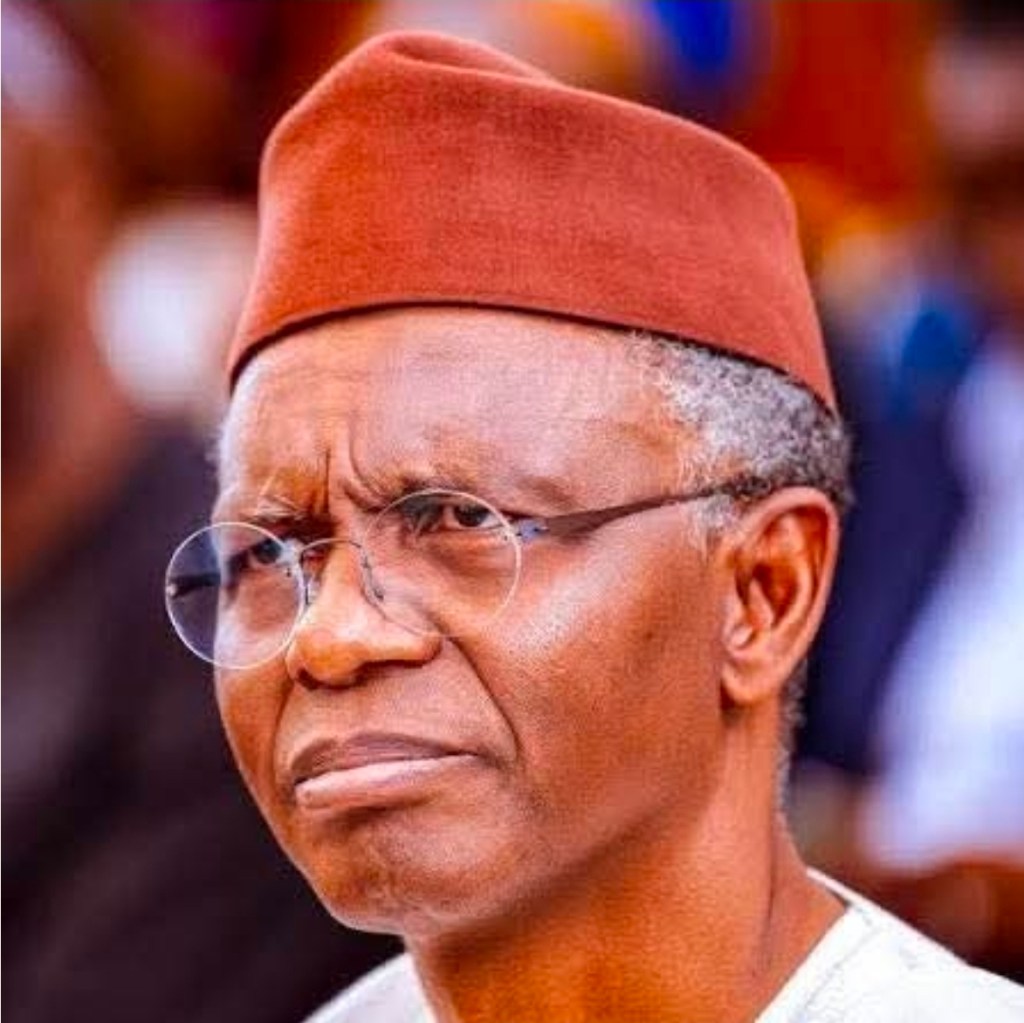
The prolonged detention of former Kaduna State Governor, Nasir El-Rufai, has become one of the most emotive and polarising issues in Nigeria today. In recent days, the situation has taken a more troubling turn. El-Rufai has publicly claimed he is being denied access to his personal doctors despite medical concerns, while his wife, Aishatou El-Rufai, released a widely circulated video lamenting that she has been repeatedly denied access to bring him food and basic necessities. These personal accounts, coming on the heels of Timi Frank’s explosive allegation of a plot to eliminate the former governor, have intensified public debate about fairness, due process, and the treatment of high-profile detainees in Nigeria.
El-Rufai was arrested by the Independent Corrupt Practices and Other Related Offences Commission (ICPC) earlier in 2026 over allegations of financial misconduct during his governorship, particularly concerning the management of funds for various projects. He has pleaded not guilty, and the case continues with multiple adjournments. While the fight against corruption is a legitimate national imperative — one that must spare no one, regardless of status — the manner in which this particular case is being handled has raised serious questions about proportionality, transparency, and respect for fundamental rights.
The core issue is not whether powerful individuals should be above the law. They should not. However, even the most serious allegations must be prosecuted within the bounds of due process, human dignity, and constitutional safeguards. Denying a detainee reasonable access to his personal physicians, especially when he has raised health concerns, and restricting family visitation for basic needs, strike at the heart of natural justice. These are not privileges for the elite; they are basic rights guaranteed under Sections 35 and 36 of the 1999 Constitution, as well as international human rights standards to which Nigeria is a signatory. When such rights appear to be withheld or inconsistently applied, public confidence in the impartiality of anti-corruption agencies inevitably erodes.
Timi Frank’s allegation of an “elimination plot” may sound alarmist to some, but it has resonated widely because it taps into deeper anxieties about selective prosecution and political vendetta. Whether or not one believes the specific claim, the optics are damaging. A high-profile Northerner and influential political figure being held for months with repeated delays in his trial, combined with complaints about medical access and family visitation, feeds a dangerous narrative of persecution rather than justice. In a country already grappling with governance fatigue, deepening cost-of-living crisis, and eroding trust in institutions, such perceptions are toxic and risk inflaming regional sentiments.
Philosophically, this case tests the strength of Nigeria’s social contract. The 1999 Constitution guarantees every citizen the right to personal liberty, fair hearing within a reasonable time, and the dignity of the human person. These rights do not vanish upon arrest or even upon credible suspicion of wrongdoing. The state has both the right and solemn duty to investigate and prosecute corruption, but it must do so with scrupulous adherence to due process. When powerful institutions appear to bend or stretch the rules — even against those perceived as strongmen — it weakens the moral foundation of governance. Citizens begin to ask: if this can happen to El-Rufai, what protection exists for the ordinary man? Selective or opaque application of justice ultimately undermines the very legitimacy that anti-corruption efforts seek to build.
The situation also carries significant regional and national implications. El-Rufai remains a major political voice in Northern Nigeria. His travails are being watched closely across the region, where feelings of marginalisation already run deep. Prolonged detention without speedy resolution risks being interpreted through ethnic and political lenses, further straining national unity at a time when cohesion is sorely needed. Conversely, a transparent, fair, and expeditious trial that respects his rights would send a powerful message that no one is above the law, but also that no one is beneath basic human dignity.
The way forward must prioritise justice tempered with fairness. The ICPC and the courts should expedite the trial while ensuring El-Rufai enjoys all rights afforded to any citizen under the law, including unimpeded access to his doctors and reasonable family visitation. The government must resist the temptation to allow this case to become a symbol of political score-settling. At the same time, El-Rufai and his legal team must allow the judicial process to run its course without undue obstruction. An independent medical review and clearer visitation protocols would go a long way in dousing tension and restoring public confidence.
Nigeria’s anti-corruption crusade will only succeed if it is seen as impartial, transparent, and anchored in respect for the rule of law. The current handling of the El-Rufai matter offers an important test. How it is resolved will say much about the maturity of our democracy and the sincerity of our institutions. The former governor deserves a fair hearing. The Nigerian people deserve a justice system that commands respect through fairness, not fear.
The allegations, complaints, and counter-claims surrounding this case must not be allowed to fester. Justice delayed or perceived as selective is justice denied. Nigeria must rise above personalities and politics to affirm that even in the pursuit of accountability, the fundamental rights and dignity of every citizen must remain sacred.
 Centre for Nigeria Progress