

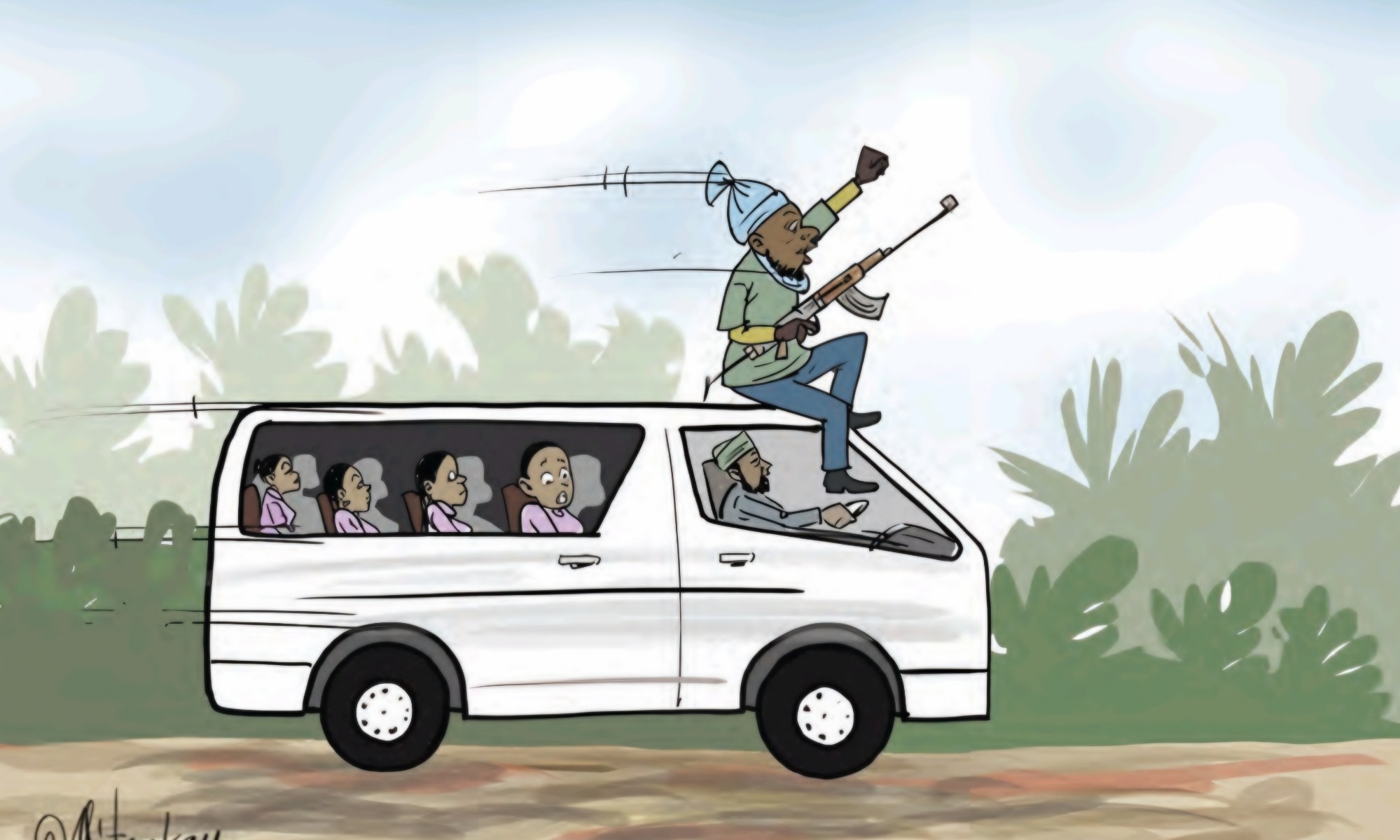

It has become a tragic, predictable script in Nigeria. A bandit attack occurs, innocent citizens, often children and their educators, are carted off into the bush, and the initial wave of official responses rolls in. But recently, in Oyo State, a specific reaction to a mass abduction highlighted a deeper, more concerning psychological shift in our collective psyche.
When teachers and schoolchildren were kidnapped, the initial, instinctive response from the Teachers Association wasn’t a demand for immediate security mobilization or a threat to down tools.
Instead, they called for prayers.
While faith is a cornerstone of Nigerian resilience, the fierce backlash that followed on social media exposed a profound truth: Nigerians are finally tired of using the celestial to compensate for governance failures.
The Comfort (and Trap) of Celestial Intervention
For decades, the standard coping mechanism for systemic failure in Nigeria has been to “take it to God.” We pray for steady electricity, we fast for safe roads, and we hold vigils for the release of captives.
But there is a thin line between faith and fatalism.
When an association representing the very victims of a crisis defaults to prayer, it signals a dangerous level of learned helplessness. It suggests that the state is so broken, and the government so utterly useless, that holding our leaders accountable is no longer even viewed as a viable first step. We bypass the government entirely because we expect absolutely nothing from them.
The Social Media Reality Check
Fortunately, the digital public square refused to let that narrative slide. Social media commentators immediately called out the Teachers Association’s puzzling response. The critique wasn’t an attack on faith; it was a rejection of passivity.
Commentators demanded to know:
- Why are we begging heaven to do what we pay taxes for the government to do?
- Where is the budgetary allocation for security going if our only defense is spiritual warfare?
This digital uproar served as a massive reality check. It snapped the association out of its trance of helplessness and forced a sharp U-turn.
From Piety to Protest: The Shift to Self-Empowerment
The backlash worked. Recognizing the public’s anger, the Teachers Association swiftly changed tactics. They dropped the passive stance and replaced it with the language of accountability:
- Direct Demands: They are now demanding immediate, concrete action from the government to secure the captives.
- Industrial Action: They have threatened to go on strike if the safety of educators and students cannot be guaranteed.
The Lesson: Real change didn’t come from waiting for a miracle; it came from the public demanding that a secular institution do its secular job.
Old Script: Tragedy ➔ Helplessness ➔ Call for Prayers ➔ Government Inaction New Script: Tragedy ➔ Public Outrage ➔ Demand for Action ➔ Threat of Accountability
The Awakening: Reclaiming Our Agency
This incident in Oyo State is a microcosm of a larger, much-needed shift in Nigeria. We are witnessing a public that is thoroughly exhausted by government inaction.
While prayers have their place in personal comfort, they cannot replace policy, policing, and political will. By forcing the Teachers Association to pivot from vigils to the threat of industrial action, the public demonstrated the power of collective self-empowerment.
We are finally realizing that if we want a safer Nigeria, we must stop allowing leaders to hide behind our piety. It’s time to bring our expectations back to reality, look our leaders in the eye, and demand the protection we are owed.
After all, heaven helps those who hold their government accountable.


I believe in God and I do believe in defending human rights as well.
God bless Nigerians.
LikeLiked by 1 person
Amen and God bless you and yours too.
LikeLiked by 1 person