

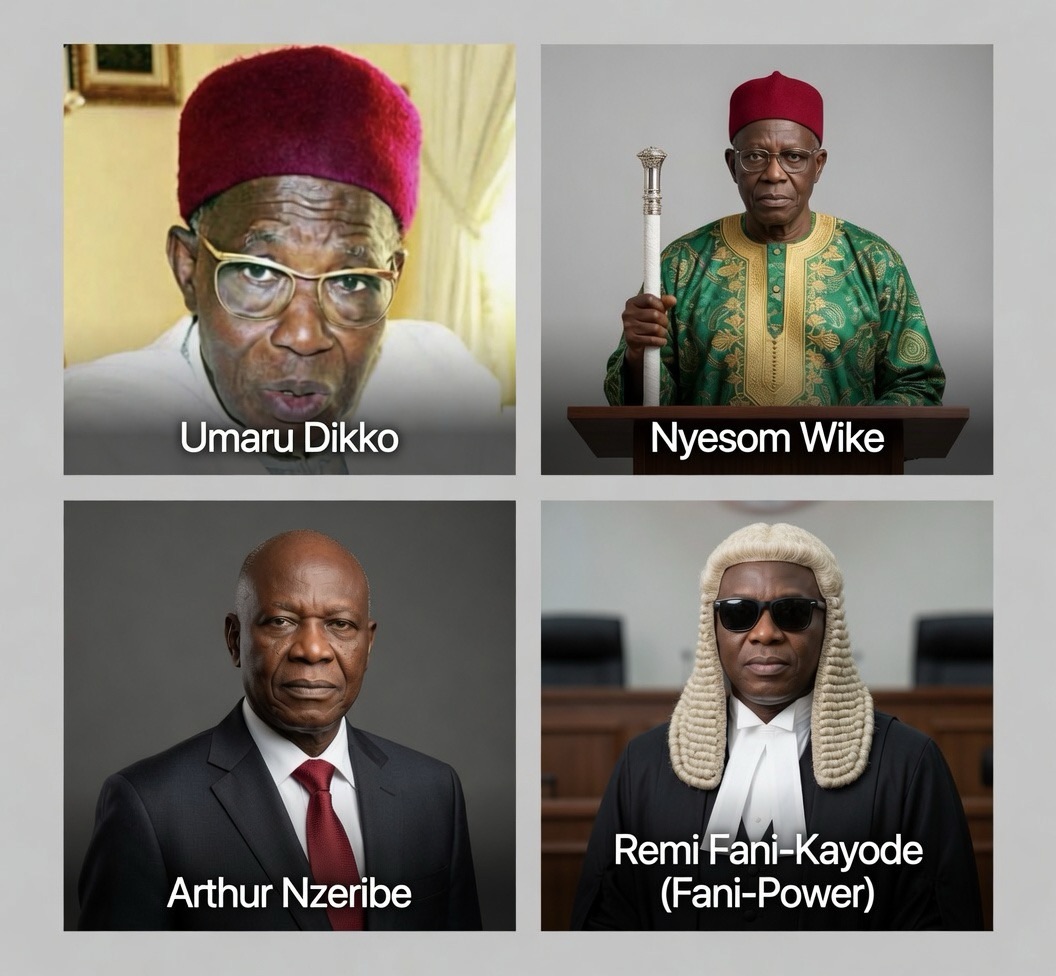
Every era of Nigerian democracy arrives with a unique promise of renewal. Yet, history shows that each republic has also birthed its own political behemoth, men who, intoxicated by the proximity to power or wealth, wielded influence like blunt instruments. They became institutional bullies, structural disruptions, and political “tin gods” whose shadows darkened the democratic experiments of their time.
By tracking these figures from the First Republic to the Fourth, we see a recurring pattern of how individual hubris can strain an entire democratic era.
1. The First Republic: Remi Fani-Kayode (Fani-Power)
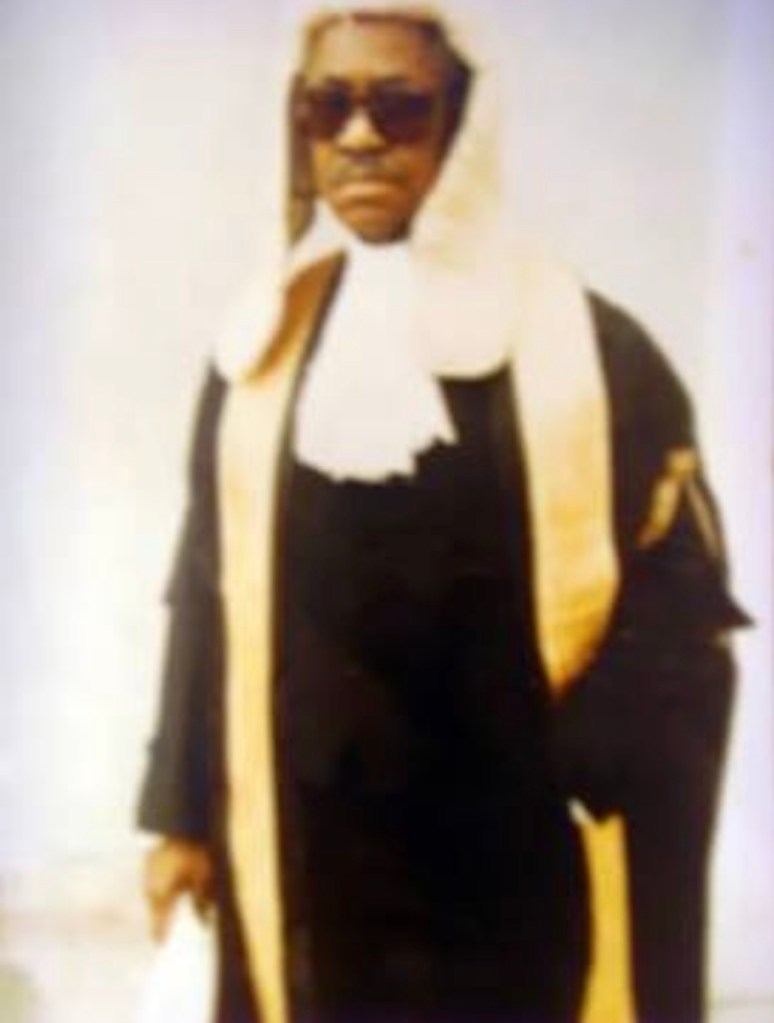
The First Republic was fragile, a new ship trying to navigate stormy ethnic and regional waters. Enter Chief Remi Fani-Kayode, popularly known as “Fani-Power.” As the Deputy Premier of the Western Region under Samuel Ladoke Akintola, Fani-Kayode became a lightning rod for the intense political friction that eventually swallowed the republic.
He was brilliant but intensely combative. His rhetoric and zero-sum political maneuvering in the Wild Wild West (the highly volatile Western Region) helped stoke the flames of the “Wetie” crisis (widespread violent political protests). By prioritizing raw political dominance over democratic consensus, his style of politics gave ammunition to the military interventionists who struck in January 1966.
2. The Second Republic: Umaru Dikko

If the First Republic suffered from aggressive political friction, the Second Republic (1979–1983) was defined by breathtaking administrative arrogance. The poster child for this era was Alhaji Umaru Dikko, the powerful Minister of Transport and head of the Presidential Task Force on Rice under President Shehu Shagari.
Dikko operated like a monarch. When Nigerians complained of biting poverty and starvation, his infamous, dismissive retort, that Nigerians were not yet eating from dustbins, became the ultimate symbol of a ruling class completely detached from reality. He concentrated so much informal power that he was widely considered more influential than the president himself. His excesses alienated the public, completely devalued the government’s legitimacy, and invited the December 1983 coup.
3. The Third Republic: Arthur Nzeribe
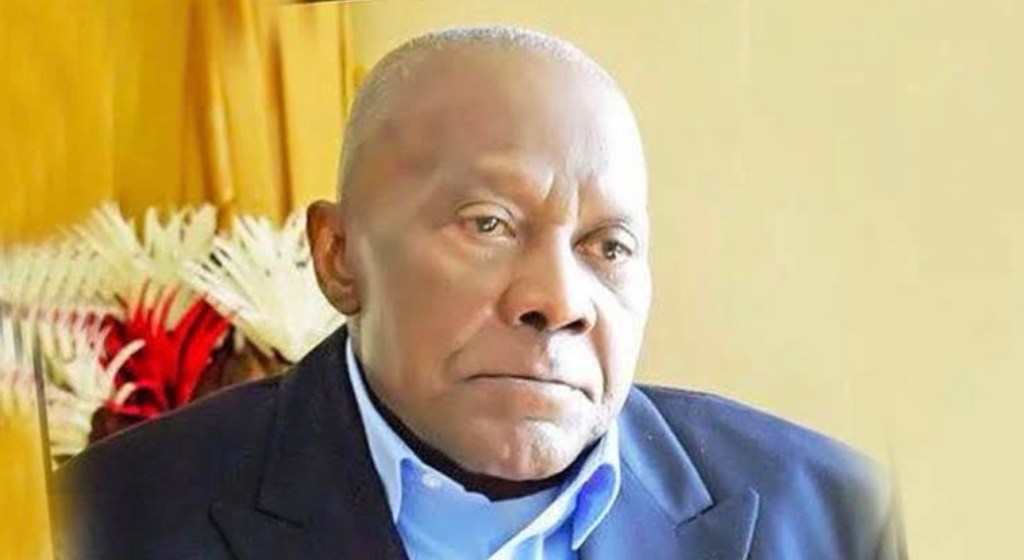
The Third Republic was largely stillborn, a democratic experiment systematically suffocated in its crib. No civilian actor played a more cynical role in this tragedy than Chief Arthur Nzeribe.
An eccentric billionaire and master strategist, Nzeribe founded the infamous Association for Better Nigeria (ABN). The sole purpose of the ABN was to subvert the democratic process and keep military dictator General Ibrahim Babangida in power. Nzeribe used judicial sabotage to secure a late-night injunction stopping the announcement of the June 12, 1993 presidential election results. His willingness to act as a civilian wrecking ball for military ambitions brought Nigeria to the brink of collapse and ensured the Third Republic never truly breathed.
4. The Fourth Republic: Nyesom Wike

Today, in Nigeria’s longest-running democratic era, the mantle of the hyper-dominant political disruption has arguably fallen on Nyesom Wike, the Minister of the Federal Capital Territory (FCT) and former Governor of Rivers State.
Wike has mastered the art of political hostage-taking. He operates with a brash, unfiltered style, turning his administrative territory into personal fiefdoms where institutional norms are secondary to personal loyalty. Whether it is paralyzing his own political party (the PDP) from the inside out, or engaging in a scorched-earth political war with his successor in Rivers State that threatens regional stability, Wike acts with the absolute certainty of a man who believes he is untouchable. Like his historical predecessors, he views compromise as a weakness and institutions merely as platforms to flex personal muscle.
The Recurring Lesson
The tragedy of Nigerian history is not just that these men existed, but that our weak institutional frameworks actively encourage their rise. When a political system relies on powerful individuals rather than powerful laws, it creates a vacancy for a “tin god.”
Until Nigeria builds democratic institutions strong enough to bend these outsized egos to the rule of law, every republic will continue to produce its own political wrecking balls.
 Centre for Nigeria Progress