

In “Deference to Deities: A Hindrance to Pre-colonial Africa’s Innovation,”
https://uchechukwu007.substack.com/p/deference-to-deities-the-poison-to?r=i6gfm&utm_medium=ios
Uchechukwu Philemon Obimma tackles a recurring historical question: Why wasn’t pre-colonial Black Africa as technologically and structurally developed as ancient Europe, India, or China?
Dismissing racial and IQ based arguments as baseless, especially given the contemporary global contributions of Black and African innovators, Obimma proposes a cultural and theological explanation:
- Deference Over Inquiry: The central inhibitor to technological breakthroughs was an excessive reliance on the supernatural. Rather than interrogating the unknown through systematic inquiry, communities routinely attributed unexplained phenomena to deities.
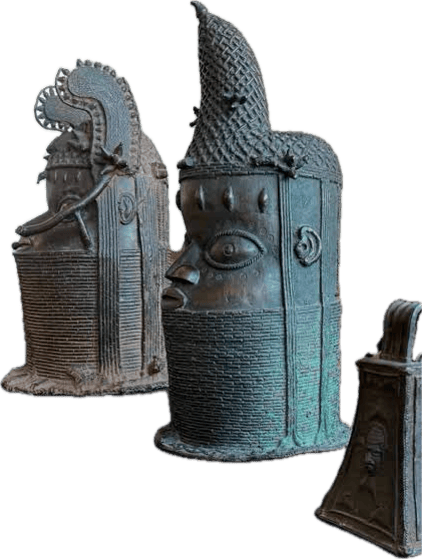
- Architecture as a Religious Mandate: Obimma argues that other civilizations worshipped deities whose rituals demanded monumental engineering, such as India’s rock-cut acoustic temples, Egypt’s pyramids, Mayan temples, and Japan’s Sashimono joinery. In contrast, traditional African deities often inhabited natural groves, rivers, or wooden figures, which fostered mastery in sculpture and fine art rather than monumental stone engineering.
- The Modern Hangover: This habit of spiritual outsourcing remains pervasive. Obimma critiques modern political and religious leaders (pointing to instances in Nigeria) who prescribe “fasting and prayer” to solve earthly administrative failures, economic troubles, and security crises, effectively offloading state responsibilities onto God.
Rejoinder
Obimma identifies a sharp, undeniable truth regarding modern socio-political culture: using “let us pray” as a substitute for competent governance and public security is the administrative equivalent of putting a spiritual plaster on a burst water main.
However, as a grand theory for pre-colonial technological divergence, the thesis leans into a common historical trap: treating religious doctrine as the primary driver of technological development, rather than a reflection of material, geographic, and ecological realities.
1. The Monumentality Bias
Equating innovation strictly with monumental stone architecture reduces human advancement to masonry. History shows that intense religiosity does not preclude technological inquiry:
- Ancient Greece attributed earthquakes, lightning, and plagues to the moods of Olympus while concurrently developing formal geometry, bronze mechanics, and early astronomy.
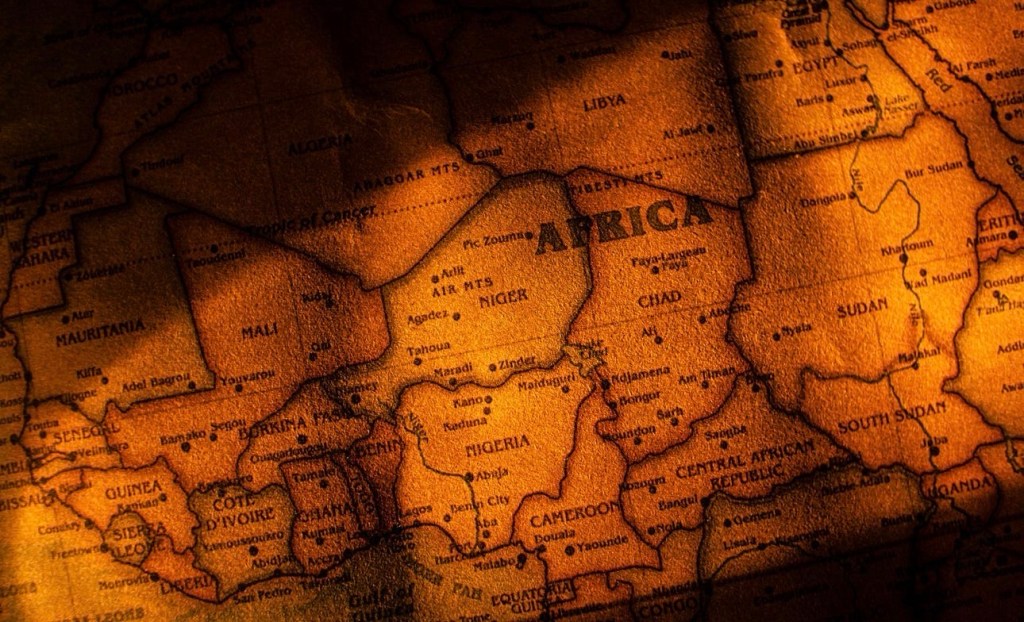
- Pre-colonial Africa produced sophisticated technical solutions suited to its environment, such as the massive earthworks of the Walls of Benin, the high-heat carbon steel smelting furnaces of the Haya people, the dry stone architecture of Great Zimbabwe, and the algorithmic binary structures embedded in Ifá divination.
2. Geography, Ecology, and Material Constraints
Civilizations rarely erect megaliths or develop wheel based transport simply because their pantheon demands it; they do so when local ecology allows concentrated labor surpluses and animal traction.
- In sub-Saharan Africa, endemic diseases like trypanosomiasis (spread by the tsetse fly) devastated horses, oxen, and draught animals, restricting long-distance wheeled transport.
- Tropical soils and rainfall patterns favored shifting cultivation and ecological balance rather than hyper-dense, stone-locked urbanization.
3. Correlation vs. Causation
Did Egypt master engineering because Pharaoh was a god, or did Pharaoh become a god because the annual flooding of the Nile required centralized hydrologic engineering and astronomical calendars to survive? Religion typically sanctifies what a society’s material environment demands for sustenance and survival.
The Takeaway
Obimma’s critique is an incisive wake-up call for contemporary governance: human intellect was given to tackle human problems, not to outsource statecraft to the heavens.
Historically, however, pre-colonial innovation was not stunted merely because shrines were kept in the forest; geography, ecology, disease burdens, and resource availability shaped the shrines just as much as they shaped the tools.

