


When a governor takes the title “Executive” with literal intensity, the boundaries between administrative leadership and frontline policing tend to blur.
Edo State Governor Monday Okpebholo recently found himself doing just that—personally interrogating the victim of a violent assault, sifting through conflicting narratives, and taking aim at what he calls the modern scourge of “fake news.”
The Incident: Midnight, Masks, and a Comedian
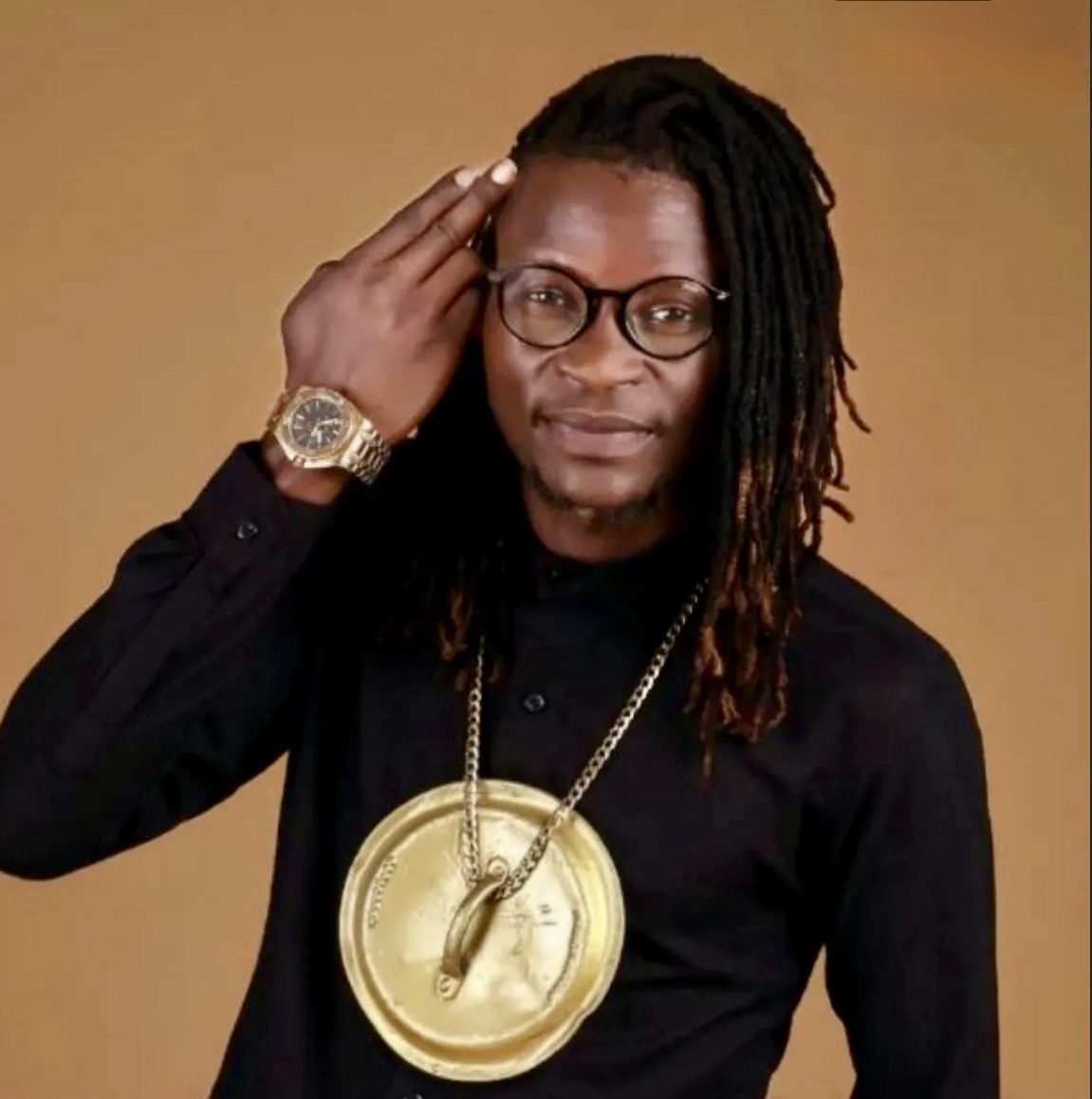
The controversy stems from an incident involving Benin-based comedian Osagie Idieda, popularly known as MC Porkupyne. In the early hours of October 24, Idieda was reportedly assaulted while returning from a birthday celebration hosted by the wife of an All Progressives Congress (APC) chieftain.
The story quickly went viral on social media, with initial online allegations swirling that sympathizers or elements linked to APC government political circles might have had a hand in the attack.
For Governor Okpebholo—who says he first caught wind of the incident on social media while away in Kaduna State—the narrative didn’t hold up to basic scrutiny. Rather than dismissing the noise from a distance, the governor engaged directly, questioning the victim face-to-face to get to the bottom of the chaos.
The Governor’s Verdict: Cult Activities Over Politics
Speaking to members of the Nigeria Union of Journalists (NUJ) Edo State Council at the Government House in Benin City, Okpebholo pushed back hard against the political blame game, labeling allegations of government or political involvement as fabricated.
Instead, citing state intelligence gathering, the governor tied the assault to local cult-related activities. But it was his probing logic that caught attention:
“I asked him about the identities of those who attacked him. He told me that he didn’t know them. He said they were wearing masks. So, if somebody wants to beat you at night, will they wear a mask? When I asked about the number of suspects, he said they were eight. So, you were able to count the number of people who beat you, but you cannot recognise who they are. So, for me, that is fake news.”
By calling out the alleged logical gaps in the victim’s account and pointing fingers at subterranean cult clashes rather than political targeting, Okpebholo dismissed the online uproar as little more than manufactured distraction. In doing so, he echoed a familiar Donald Trump’s rhetorical playbook—dismissing unfavorable reports as fake news—while leaning on “state security intel” to reframe the narrative entirely.
The Balancing Act of Modern Leadership
Okpebholo’s hands-on approach highlights a modern dilemma for leaders in the digital age. On one hand, direct engagement and swift fact-checking can prevent local incidents from spiraling into manufactured political crises. On the other hand, a governor stepping into the shoes of an investigator—and publicly picking apart a victim’s testimony—walks a fine line between active governance and overstepping institutional boundaries.
As Edo State navigates the murky intersections of local security, cultism, and social media sensationalism, Governor Okpebholo has made his stance clear: he expects the public and the press to look past the digital noise and lean on verifiable reality. Whether his intelligence-backed conclusions will put the rumors to rest remains to be seen.

