

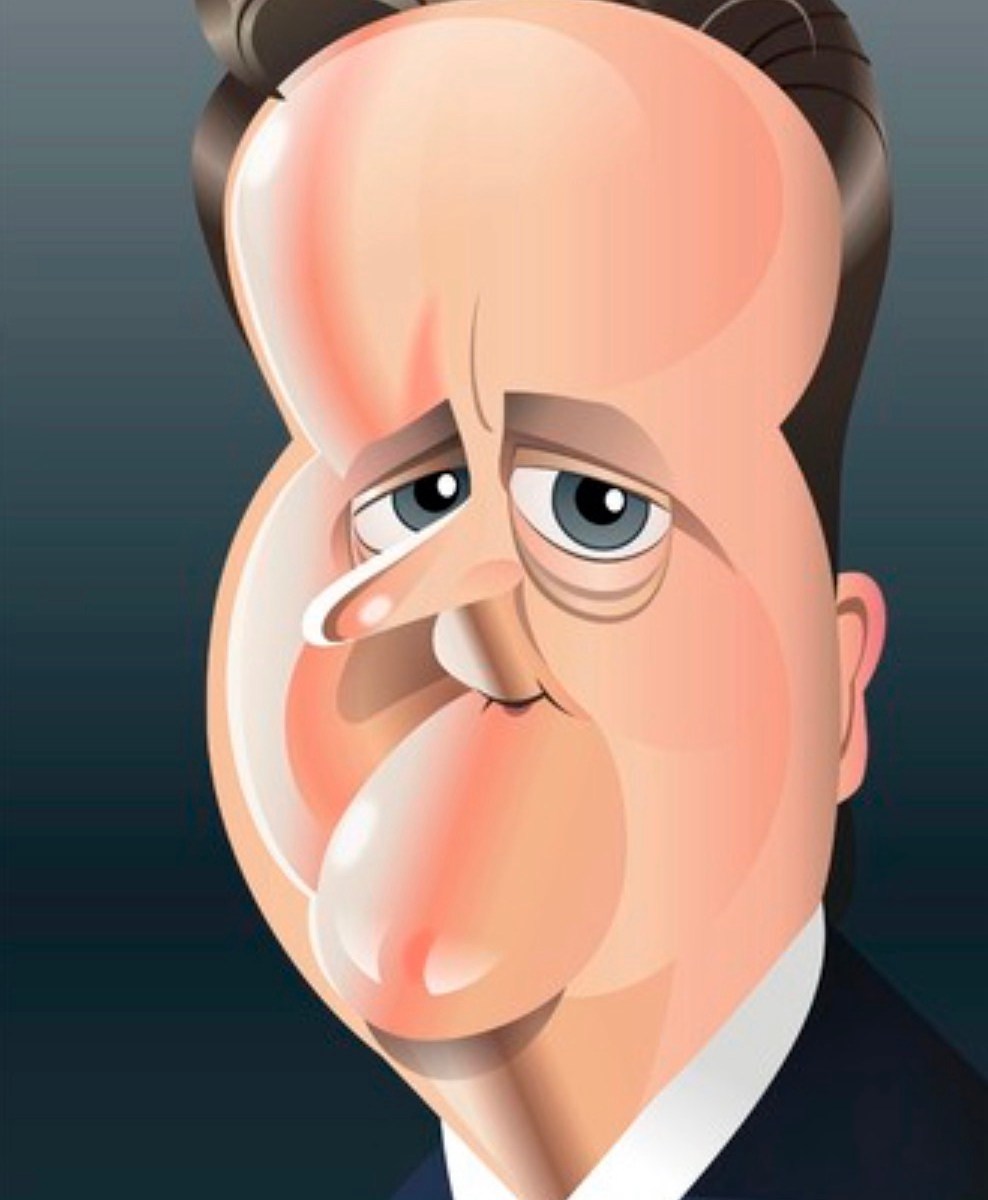
David Cameron once stood in Benghazi and declared it “great to be in free Libya.” Fifteen years later, free Libya still can’t decide who is in charge, who gets the oil money, or why the electricity keeps cutting out in a country floating on petroleum. The United Kingdom helped create that particular freedom. The bill for the fireworks arrived promptly. The invoice for the cleanup remains unpaid.
In 2011 Britain and France, with American airpower as the enabling muscle, turned a UN resolution designed to protect civilians into a regime-change operation. The stated goal was stopping a massacre in Benghazi. The actual result was the removal of Muammar Gaddafi followed by the rapid disappearance of anything resembling a functioning state. A 2016 House of Commons Foreign Affairs Committee report delivered the post-mortem with unusual parliamentary bluntness: the intelligence was incomplete, the threat to civilians was overstated, the rebels contained a significant Islamist element that policymakers preferred not to notice, and the limited civilian-protection mission “drifted into an opportunist policy of regime change.” That policy, the committee concluded, “was not underpinned by a strategy to support and shape post-Gaddafi Libya.” Former Prime Minister Cameron was “ultimately responsible for the failure to develop a coherent Libya strategy.”
Cameron has always rejected the criticism as “bunk.” He insists the information at the time was correct and that inaction would have produced a slaughter. Fair enough—no one can prove a counterfactual. What can be measured is what followed. Political and economic collapse. Inter-militia and inter-tribal warfare. A humanitarian and migrant crisis that turned the central Mediterranean into a graveyard and a political headache for every European capital that had cheered the bombs. The spread of Gaddafi-era weapons across the Sahel. The eventual appearance of Islamic State franchises on Libyan soil. Britain spent roughly £300–320 million on the military campaign. Stabilisation and humanitarian spending afterwards was a fraction of that—one analysis put the ratio of bombing to rebuilding at thirteen to one. The asymmetry is almost artistic.
The European partners who had been most enthusiastic about the operation proved less enthusiastic about the tedious business of state reconstruction. Barack Obama later noted that he had placed too much faith in the Europeans, given Libya’s proximity, to handle the follow-up. Cameron, according to the American reading, became “distracted.” The British parliamentary inquiry essentially agreed that once Gaddafi was gone, strategic attention moved elsewhere. Libya was left to the mercy of its own divisions and the ambitions of regional proxies.
Fast-forward to 2026 and the country remains split between rival authorities in the west and east, with militias still the real power brokers in many areas. A rare unified national budget was approved earlier this year after years of institutional paralysis, and oil production has recovered enough to generate serious revenue. Yet drone strikes still hit energy infrastructure, electricity blackouts expose the rot in basic governance, and national elections keep being postponed. Ordinary Libyans live with inflation, cash shortages, and the knowledge that their country’s wealth is being contested by armed networks more effectively than it is being spent on public services. The migrant routes that opened after the collapse continue to operate, even if the numbers fluctuate with European enforcement efforts.
The British role was never the largest in absolute military terms—the Americans provided the critical enablers—but it was politically decisive. London helped draft the early UN resolutions, pushed for the no-fly zone, flew a substantial share of the strike sorties, and then largely stepped back once the dictator was dead. The lesson that should have been absorbed is not that intervention is always wrong, but that removing a regime without a credible plan for what replaces it is an expensive form of theatre. Britain learned that lesson the hard way in Iraq. It managed to relearn it in Libya with impressive efficiency.
There is a certain comic consistency in the current European insistence that NATO is a purely defensive alliance when the subject is Iran. The same capitals that treated the alliance’s flexible interpretation of “all necessary measures” as a virtue in 2011 now treat the letter of the treaty as sacred when the costs look higher. Hypocrisy is not a crime. It is, however, a pattern. And patterns, unlike dictators, tend to survive regime change.

