


The Origin Story Nigeria Tells Itself
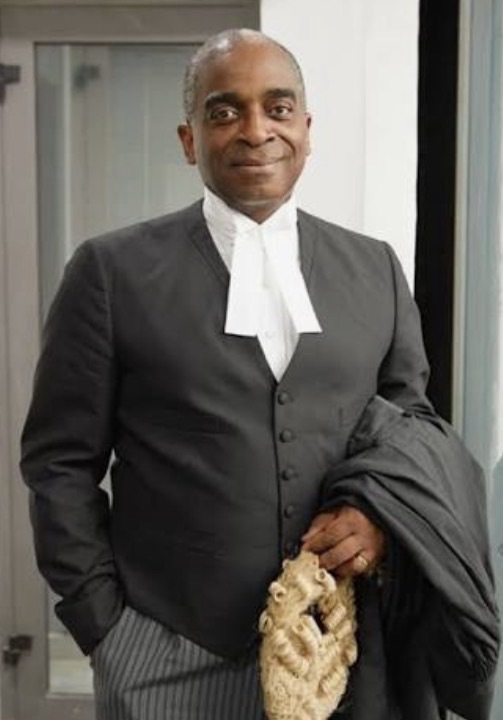
There is a joke that never quite lands because it is too true to be funny: ask any group of ten Nigerian politicians what they studied, and at least four will answer “Law” before you’ve finished the question. This is not coincidence. It is architecture. From the moment Christopher Sapara Williams, the first indigenous Nigerian called to the English Bar in 1879, stepped off a boat from London into the churn of Lagos colonial politics, the country’s ruling class has treated the wig and gown less as professional attire and more as a passport. Herbert Macaulay wore it. Nnamdi Azikiwe wore it, figuratively, alongside his newspapers. Obafemi Awolowo wore it literally, and then wore the premiership of the Western Region on top. Nigeria did not simply produce lawyers who happened to enter politics. It built a pipeline, greased it, and has been feeding it ever since.
The Constitution Made It Official
If the colonial era supplied the habit, the 1999 Constitution supplied the sacrament. Sections 150 and 195 reserve the offices of Attorney-General, federal and state, exclusively for lawyers of at least ten years’ standing. This is not a subtle nudge toward legal talent in government. It is a locked door with one specific key, and the country has agreed, without much debate, that only barristers may hold it. Every other profession in Nigeria petitions for relevance in politics. Law simply has it written into the operating manual.
The skills transfer helps the case along. Courtroom advocacy becomes legislative debate with better lighting. Cross-examination becomes committee grilling, marginally less rigorous. Drafting skills that once produced pleadings now produce bills, occasionally read by the people voting on them. And the networks a legal career builds, among elites, corporations, and the communities who need representation, translate directly into the coalition-building that Nigerian politics runs on. It is less a career change than a lateral move with better security detail.
The Roll Call
The evidence sits in plain view. Yemi Osinbajo, SAN and law professor, rose from Lagos State Attorney-General to the vice presidency, the scholar-practitioner made flesh. Babatunde Fashola governed Lagos with the exacting, faintly pedantic precision of a man who still thinks in subsections. Rotimi Akeredolu led the Nigerian Bar Association before he led Ondo State, which tells you something about which institution he considered the more demanding constituency. Femi Gbajabiamila carried his legal training, polished with American credentials, into the Speaker’s chair. And beneath these headline names sits a dense undergrowth of Senior Advocates occupying commissionerships, party executive positions, and advisory roles, a legal profession so thoroughly embedded in governance that the two are difficult to prise apart with anything short of a crowbar.
Human rights lawyers form their own subplot. Figures such as Femi Falana and the late Gani Fawehinmi built credibility in courtrooms and street protests alike, cashing in decades of pro-democracy advocacy for the moral authority that later opens political doors. It is a more honourable route into power than most, though not one immune to the compromises that await anyone who arrives.
The Fine Print
None of this is uncomplicated, and Nigeria’s commentariat should resist the temptation to romanticise the wig. Success in the lawyer-to-politician pipeline still depends heavily on godfatherism, financial muscle, and the perennial arithmetic of ethnic and religious balancing, none of which appears on any law school syllabus. Conflicts of interest trail lawyer-politicians the way process servers trail defendants: allegations of prioritising former clients, bending statutes they once argued in good faith, or treating public office as an extension of chambers business. The profession’s political gravity also pulls talent away from the unglamorous work of representing ordinary citizens, widening the access-to-justice gap even as it fills the National Assembly with men who can cite the Evidence Act from memory.
What Comes Next
The pipeline shows no sign of narrowing. If anything, the Tinubu administration’s mix of technocrats and traditional lawyer-politicians suggests the model is adapting rather than retiring. Reform, if it comes, will likely mean firmer ethics enforcement from the Nigerian Bar Association and a genuine effort to widen the field beyond the bar, admitting technocrats, academics, and civil society figures who have spent their careers outside courtrooms. Until then, Nigeria’s political class will keep producing men and women fluent in section numbers and cross-examination, for better governance and for worse, often within the same career.

