


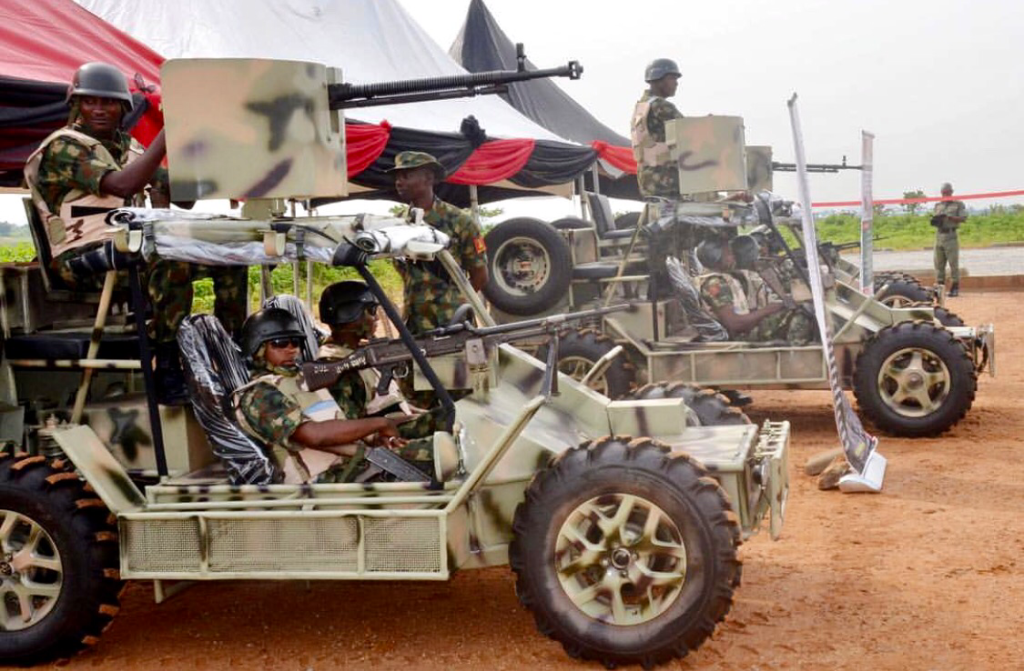
Corruption mechanisms in Nigeria’s defence and security architecture are not isolated acts of individual greed but systemic features embedded within the political economy of insecurity. As Lawson Akhigbe’s April 16, 2026, article underscores, trillions in spending—₦3.15 trillion proposed for the Ministry of Defence in 2026 (up from roughly ₦3.1 trillion in 2025), over $17 billion since 2018, and a 130% rise in yearly allocations since 2019—have produced “missing results”: a 16-year northeast insurgency (Boko Haram/ISWAP), expanding banditry, mass kidnappings, and humanitarian crises affecting millions. Up to 96% of some agencies’ budgets go to personnel costs (salaries, allowances), leaving scant resources for operations, equipment, or intelligence.
This dynamic creates perverse incentives: insecurity justifies ever-larger budgets, while weak accountability turns security into a patronage resource. Corruption here operates through interlocking economic, institutional, and political channels, sustaining a self-reinforcing cycle where elites benefit from the status quo, forces remain ineffective, and ordinary Nigerians pay twice—via taxes and lived insecurity. Below is a multi-angle breakdown of the primary mechanisms, grounded in budget data, scandals, reports, and scholarly analysis.
1. Budgetary Capture and Recurrent Spending Bias (Personnel and Ghost Payroll Fraud)
- Mechanism: Defence budgets are heavily skewed toward recurrent expenditure—salaries, allowances, and administrative overheads—rather than capital investments in equipment, training, or operations. This creates opportunities for inflating payrolls with “ghost workers,” diverting allowances, or padding administrative lines. With 96% of certain agency budgets consumed by personnel costs, operational funding evaporates, yet budgets keep growing because crisis legitimizes them.
- Examples and Scale: Soldiers have repeatedly complained of stolen combat allowances (e.g., 50% skimmed by commanders in 2013; systematic non-payment reported in 2020). This demoralizes troops, contributes to desertions, and leaves frontlines under-resourced while funds flow upward.
- Political Economy Angle: Patronage networks reward loyalty with inflated positions or allowances. Retired General Ishola Williams has highlighted elite networks profiting from this structure. In a game-theoretic sense, security chiefs maximize personal rents over results, knowing failure sustains future allocations.
- Nuance/Edge Case: Not all personnel costs are fraudulent—Nigeria’s large, multi-ethnic forces require substantial human resources amid internal threats. However, weak audits (exacerbated by secrecy exemptions) turn legitimate needs into leakage points.
2. Procurement Fraud and Phantom Contracts (Opaque Emergency Purchasing)
- Mechanism: Section 15 of the Public Procurement Act exempts “national security” purchases from competitive tenders and oversight, enabling “emergency procurement” for non-emergent needs. Contracts are awarded to politically connected firms at inflated prices, with goods often undelivered, substandard, or mismatched to needs (e.g., conventional weapons for counter-insurgency). Funds are diverted via kickbacks, shell companies, or outright laundering.
- High-Profile Cases:
- The 2014–2015 Dasuki arms scandal: $2.1–$2.9 billion allegedly diverted through phantom contracts; former National Security Adviser Sambo Dasuki and others faced trials, with refunds and asset seizures.
- A 2022 Centre for Democracy and Development report estimated $15 billion lost to fraudulent arms procurement over 20 years.
- Audits revealed duplicated expenditures under different headings and procurement of outdated or unsuitable materiel.
- Implications: Troops receive few bullets against RPG-armed militants; aircraft maintenance funds vanish while fleets remain grounded. This directly fuels operational failure and the “missing results” Akhigbe describes.
- Nuance: Global arms markets and middlemen add layers of opacity, but domestic elite capture (politicians, retired officers, contractors) is the core driver.
3. Off-Budget and Supplementary Funding Loops (Security Votes and Hidden Allocations)
- Mechanism: “Security votes”—discretionary, often unaccounted funds at federal and state levels—plus supplementary budgets and non-defence resources finance procurement. These bypass normal legislative scrutiny, enabling direct diversion for personal or political gain (e.g., luxury vehicles, pilgrimages, campaigns).
- Examples: Funds from the Office of the National Security Adviser (ONSA) were misappropriated for non-security purposes, such as N4.6 billion diverted for elite luxuries instead of insurgency-fighting.7 Hidden budgets and extra-budgetary financing are “prevalent,” per Transparency International.
- Political Economy Angle: Insecurity creates perpetual “emergency” justification, allowing executives to control slush funds. This entrenches elite competition over state resources rather than public good.
4. Patronage, Nepotism, and Elite Capture (Leadership and Promotion Systems)
- Mechanism: Political “godfathers” appoint loyalists to command positions, prioritizing factional allegiance over competence. This cascades into contract awards, resource control, and tolerance of lower-level graft. Nepotism (e.g., family dynasties in officer corps) and ethnic/religious balancing further distort merit.
- Examples: Pre-2015, senior leaders allegedly captured the defence sector for budget control rather than threat response. Similar patterns appear in promotions tied to political survival.
- Broader Impact: Incompetent or complicit leadership weakens command chains, erodes morale, and creates permissive environments for collusion (e.g., security personnel allegedly involved in oil theft or protection rackets).
5. Feedback Loops with Non-State Actors and Parallel Economies
- Mechanism: Corruption weakens state forces, enabling bandits, insurgents, and kidnappers to thrive via ransom, resource looting, and cattle rustling. In extreme cases, complicity or “taxation” by security actors sustains these parallel war economies.
- Nuances: Root grievances (poverty, unemployment, inequality) fuel recruitment, but corruption accelerates the cycle. Some analyses note security personnel collecting bribes during duties or turning a blind eye for personal gain.
Multi-Angle Impacts, Nuances, and Implications
- Economic: Diverts resources from development; deters investment; inflates defence at the expense of health/education. Estimates suggest massive leakage (e.g., $15B+ in arms fraud alone).
- Security: Lowers troop effectiveness and morale, prolongs conflicts, and fragments state monopoly on violence (vigilantes, community militias emerge).
- Political/Social: Erodes legitimacy; ordinary citizens fund their own insecurity (Akhigbe’s core tragedy). Fuels ethnic/religious tensions and public cynicism.
- Edge Cases and Counterpoints: Not every budget line is corrupt—genuine capacity gaps and external factors (arms flows, climate stress) exist. Anti-corruption bodies (EFCC, ICPC, Auditor-General) have secured some recoveries, and reforms (e.g., procurement centralization debates) are discussed.8 International aid can inadvertently amplify risks if unconditioned. Yet systemic secrecy and exemptions make comprehensive oversight elusive.
- Comparative Perspective: Similar dynamics appear in other fragile states (e.g., Sahel countries, where patronage and procurement fraud undermine counter-terrorism). Nigeria’s federal structure and resource wealth amplify scale.
In essence, these mechanisms reveal corruption not as a bug but a feature of Nigeria’s political economy of insecurity: budgets grow because results are absent, and absence is profitable for those positioned to capture rents. Breaking the cycle requires shifting incentives—toward results-based budgeting, ending procurement exemptions, strengthening legislative/civil society oversight, and addressing root governance failures—rather than endless militarized spending. Without such restructuring, the trillions will continue flowing while insecurity persists, as Akhigbe’s analysis starkly illustrates. This analysis draws on the interplay of empirical budget data, documented scandals, and structural incentives, highlighting both immediate leakages and deeper institutional distortions.

