

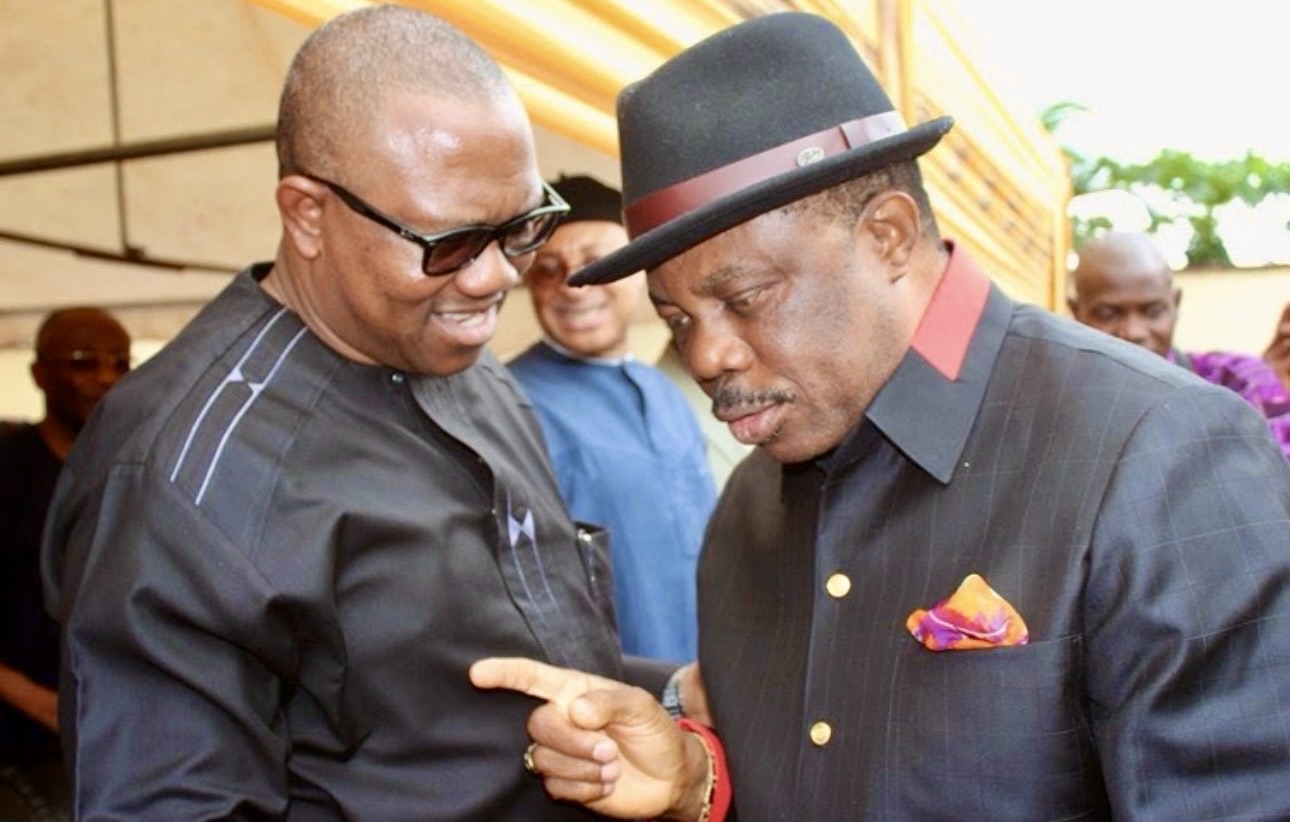
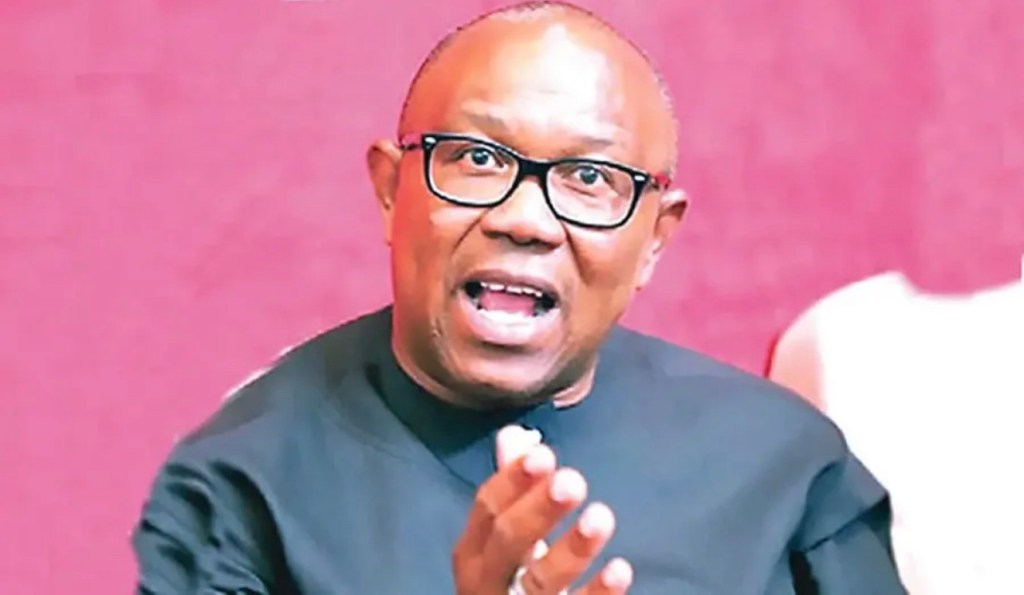
Politics in Anambra State has often resembled a family feud conducted with microphones, court papers, and occasional public tantrums. Few political relationships illustrate this better than the spectacular collapse between former Anambra governors Peter Obi and Willie Obiano.
What began as a mentor-successor alliance under the banner of All Progressives Grand Alliance eventually deteriorated into years of allegations, counter-allegations, and bitter political warfare. In the end, many of the accusations generated headlines but produced little in terms of criminal findings against Peter Obi himself.
The Origins of the Obi–Obiano Alliance
Peter Obi governed Anambra State from 2006 to 2014 and handpicked Willie Obiano, then a banker, as his successor under APGA. Initially, the transition appeared smooth. Obi campaigned heavily for Obiano and presented him as a continuation of his fiscal and developmental policies.
However, the relationship collapsed barely a year into Obiano’s administration.
Like many Nigerian political godfather arrangements, the quarrel quickly moved from “my brother” to “that man must explain himself.”
The Major Allegations by Obiano Against Peter Obi
1. The Alleged N7.5 Billion Demand
One of the most publicised accusations came during the 2017 Anambra governorship election campaign. Obiano alleged that Peter Obi demanded about ₦7.5 billion from him after leaving office. According to Obiano, Obi claimed the money represented campaign expenses incurred during the 2013 governorship election.
Obiano said he refused because state funds could not be treated as private reimbursement accounts. He also alleged that campaign fundraising had already been conducted and that the accounting for those funds was unclear.
Peter Obi denied the allegation repeatedly. Obi maintained that he never requested such money and argued that if personal enrichment had been his goal, he had ample opportunity while still governor.
The matter never proceeded to court and no documentary evidence was publicly produced to substantiate Obiano’s claim.
In Nigerian politics, allegations are often launched like campaign posters: printed quickly, pasted everywhere, and forgotten after the election.
2. Claims About Missing Investments and State Funds
Supporters of Obiano and APGA loyalists also accused Obi of misrepresenting the financial status of Anambra State at handover. One recurring controversy involved the valuation of investments such as the state’s stake in SABMiller Brewery.
Obiano’s allies suggested that Obi exaggerated state assets and left unresolved financial questions. Obi’s camp countered that his administration left substantial cash reserves, investments, and low debt levels.
Despite years of political mudslinging, no anti-corruption agency successfully prosecuted Peter Obi over these claims.
3. Political Sabotage Allegations
Obiano further accused Obi of undermining his second-term ambition in 2017 after their fallout.
The dispute split APGA into hostile factions. Obi eventually abandoned APGA altogether, first moving to the PDP and later to Labour Party, where he reinvented himself nationally during the 2023 presidential election.
Ironically, the same APGA machinery Obi once controlled eventually treated him like a political apostate. Nigerian politics has a remarkable ability to turn yesterday’s “leader” into today’s “enemy of the people” before breakfast.
Were There Criminal Investigations Against Peter Obi?
Although Peter Obi has faced repeated political accusations over the years including criticisms linked to the Pandora Papers offshore revelations and various opposition attacks, none of Obiano’s allegations produced criminal convictions or formal corruption charges against him.
No court ruling established that Obi diverted Anambra funds.
No EFCC prosecution tied directly to Obiano’s accusations against Obi ever materialised.
That distinction matters.
In Nigerian politics, allegations often function as political artillery rather than legal arguments. Once microphones appear, evidence sometimes takes an early retirement.
The Twist of Fate: Obiano’s Own EFCC Troubles
The most dramatic irony emerged after Obiano himself left office in 2022.
The Economic and Financial Crimes Commission arrested Obiano shortly after his tenure ended. He was later arraigned over alleged money laundering and diversion of approximately ₦4 billion in security funds.
The EFCC alleged that funds were transferred through proxies and companies unrelated to state security operations. Obiano pleaded not guilty and challenged the court’s jurisdiction.
Subsequent court proceedings featured witnesses discussing suspicious transfers and companies allegedly used in the transactions.
The case dragged through 2024 and 2025 with adjournments and procedural disputes.
For many observers, the optics were politically devastating: the man who once accused Peter Obi of financial impropriety ended up spending years defending himself against major corruption allegations.
The Political Legacy of the Feud
The Obi–Obiano split permanently reshaped Anambra politics.
- Peter Obi emerged nationally as a reformist opposition figure with a strong grassroots following.
- Willie Obiano left office politically weakened and legally embattled.
- APGA survived in Anambra under Charles Soludo but lost much of its former national relevance.
The feud also revealed how fragile Nigerian political alliances can be. Ideology rarely sustains them; mutual benefit usually does. Once the benefits disappear, yesterday’s ally suddenly remembers “financial irregularities.”
Conclusion
In the end, Willie Obiano’s allegations against Peter Obi generated enormous political controversy but little legal consequence for Obi himself. The accusations became part of Anambra’s long-running political drama rather than proven criminal findings.
What survived was not courtroom validation but competing narratives:
- Obiano’s camp portrayed Obi as a manipulative political godfather.
- Obi’s supporters saw Obiano’s allegations as politically motivated retaliation.
History, however, delivered an unexpected plot twist. While Peter Obi moved onto the national stage as a presidential candidate, Willie Obiano became occupied with defending himself against corruption charges in federal court.
Nigerian politics rarely lacks irony. Sometimes the loudest accuser eventually discovers that EFCC invitations are not loyalty rewards.

