

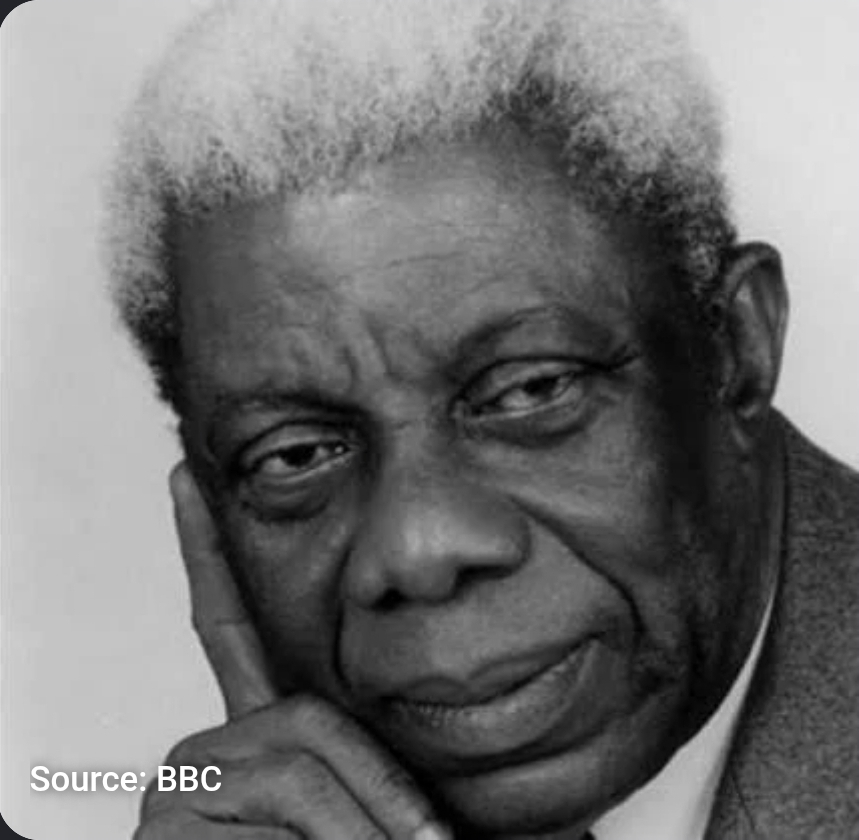
The Pius Okigbo Panel Report (submitted in September 1994) is one of the most famous and controversial documents in Nigeria’s financial and political history.
Formally titled the Report of the Panel on the Reorganisation and Reform of the Central Bank of Nigeria, it was commissioned in January 1994 by the military head of state, General Sani Abacha. While its broad mandate was to review the legal, administrative, and regulatory framework of the Central Bank of Nigeria (CBN), its historical legacy rests entirely on its exposure of how massive oil revenues were managed and fundamentally mismanaged during the preceding military regime.
Here is a detailed summary of the report’s key findings, focus areas, and its enduring political legacy:
1. The Core Finding: The $12.4 Billion Oil Windfall
The most explosive revelation of the panel was the tracking of $12.4 billion in excess crude oil revenues that accrued to Nigeria between September 1988 and June 1994. This massive influx of wealth was primarily driven by the spike in global oil prices during the 1991 Gulf War.
The Okigbo Panel found that by June 1994, this enormous fund had been surreptitiously depleted to just $200 million.
2. Operation of “Parallel Budgets” and Special Accounts
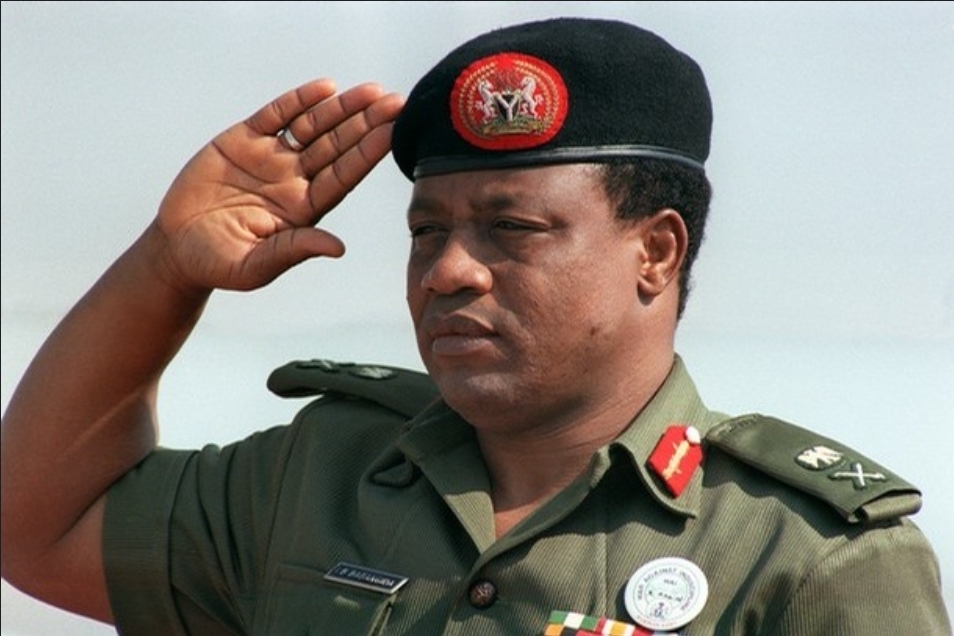
The report detailed how the military administration of General Ibrahim Babangida operated a shadowy financial system completely separate from Nigeria’s formal budgetary processes.
- The Special Accounts: The money was secretly funneled into six extra-budgetary accounts, including the Central Bank Dedication Account, the Stabilisation Account, the NNPC Sales of Mining Rights Account, the Signature Bonus Account, and the GHQ Special Fund Account.
- Lack of Accountability: These accounts were not subjected to standard legislative or budgetary oversight. The report noted that operations were limited exclusively to the direct authorization of the President/Head of State communicated directly to the CBN Governor (the late Alhaji Abdulkadir Ahmed). This closed loop created immense room for the abuse of procedures and a total breakdown of public accountability.
- Failure of Intent: The Dedication Account was originally designed in 1988 to fund critical national infrastructure like the Ajaokuta Iron and Steel complex, the Itakpe Iron Mining project, and the Shiroro Hydroelectric project. Similarly, the Stabilisation Account was meant to sterilize excess earnings to buffer the economy. The panel found that neither account was used for its intended purpose.
3. Frittering Wealth on “Misplaced Priorities”
While the report acknowledged that a portion of the funds went toward genuine external debt buy-back operations, it heavily criticized the disbursement of vast sums on non-priority, unviable, or outright mundane projects. Among the spending items identified in the summary were:
- $18.30 million for the purchase of TVs and video equipment for the Presidency.
- $27.25 million for a medical clinic at Aso Rock/Dodan Barracks.
- $23.98 million for staff welfare at the Presidency.
- $8.95 million for foreign travels by the First Lady.
- $3.85 million for ceremonial uniforms for the Army.
- $2.92 million for a documentary film on Nigeria.
The panel concluded that these special accounts had effectively become a “parallel budget” for the Presidency to spend money at whim based on internal pressures, completely outside the framework of national development planning.
4. Structural Recommendations for the CBN
Beyond the financial audit, the report offered major systemic recommendations to clean up Nigeria’s fiscal architecture:
- Immediate Cessation: It strongly recommended the immediate closure of all Dedicated and Special Accounts, insisting that all revenues from crude oil must flow directly into the Federation Account to be subjected to constitutional division and open budgetary control.
- CBN Autonomy: It called for structural reforms to insulate the Central Bank from direct, ad-hoc political interference by the executive, aiming to tighten monetary policy formulation, control money supply, and ensure price stability.
5. The Aftermath: The “Missing” Report Syndrome
The political legacy of the Okigbo Report is as contentious as its findings.
- The Disappearance: After Dr. Pius Okigbo submitted the 335-page report to General Abacha in late 1994, the government never released an official White Paper, and the report was never published in the official government gazette. In subsequent years, successive administrations claimed the document was mysteriously “missing” from government archives.
- The Legal Battles: In the 2000s and 2010s, prominent human rights lawyers (such as the late Gani Fawehinmi) and civil society coalitions (like SERAP) filed lawsuits to compel the federal government and the CBN to publish the report and account for the missing $12.4 billion.
- The Official Stance: Government legal representatives frequently argued in court that un-gazetted copies of the report leaked by the media (such as those published by The News magazine in 2005) were legally inadmissible because no official White Paper had ever validated them.
Ultimately, the Pius Okigbo report remains a foundational text in Nigerian political discourse frequently cited by economists and commentators as the definitive case study on how institutional weakness and lack of fiscal federalism allowed a historic economic windfall to be completely mismanaged.

