

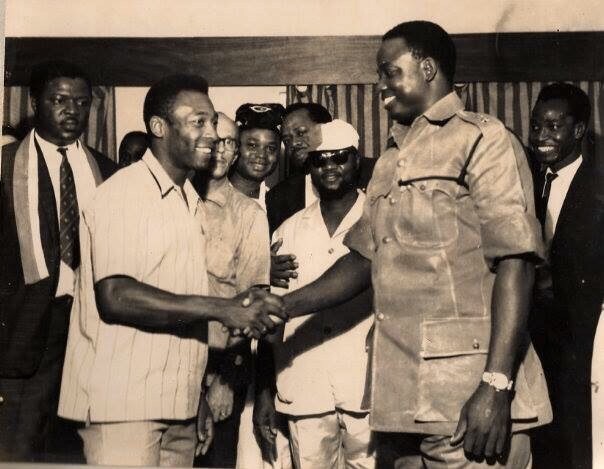
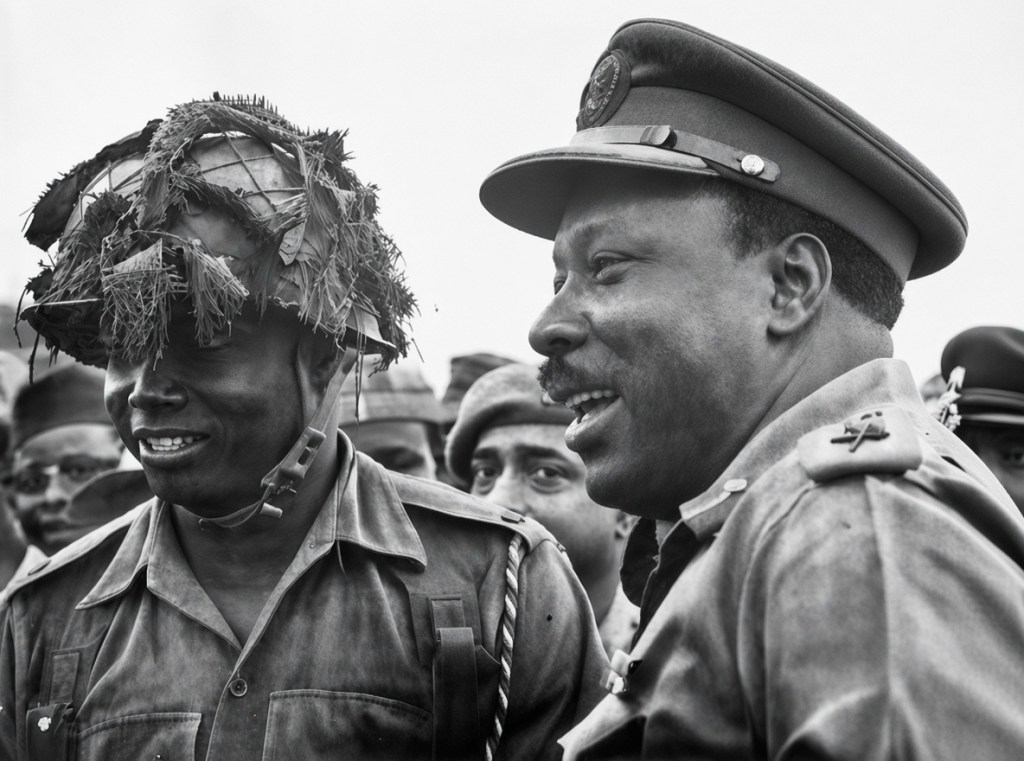
To understand the complex titan that was Brigadier General Dr. Samuel Ogbemudia, you first have to understand the mess he inherited.
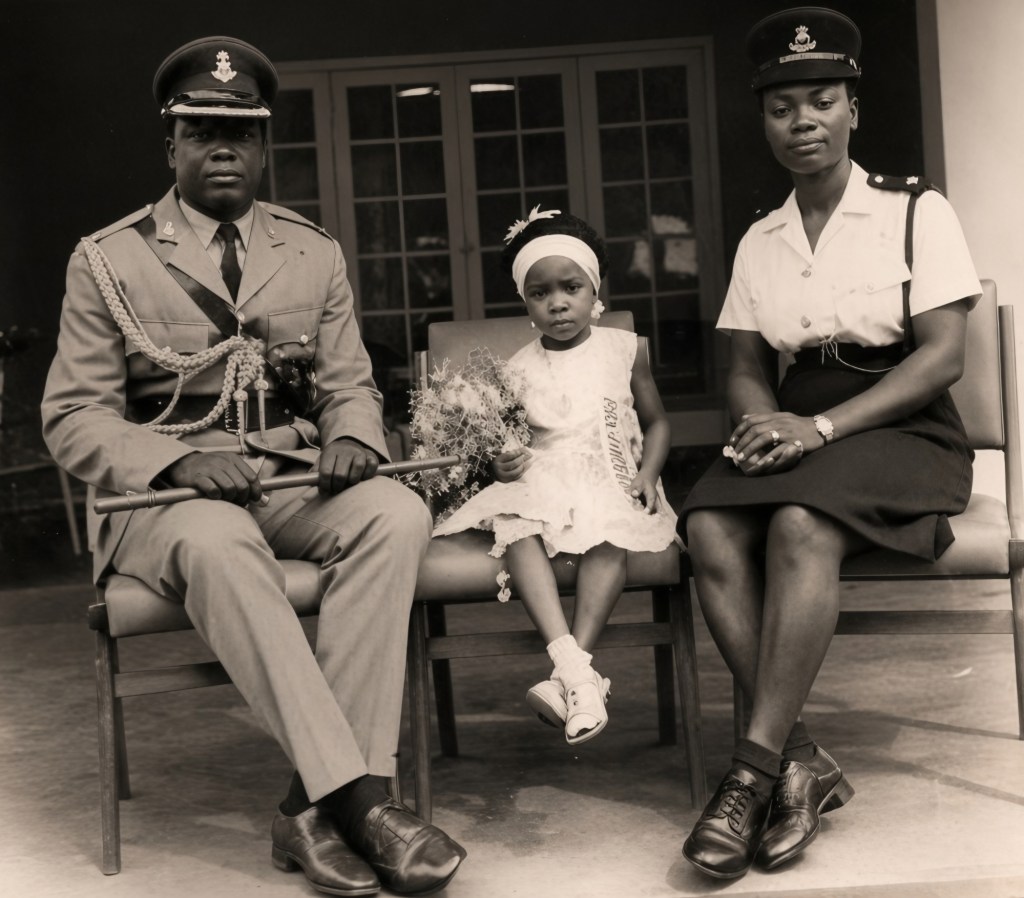
Before his arrival, the old Mid-Western Region was essentially the forgotten stepchild of Nigeria’s Western Region. The ruling Action Group party, led by Chief Obafemi Awolowo, had its eyes firmly fixed on its core Yoruba constituency.
Infrastructure, funds, and political love flowed west, leaving the non-Yoruba minorities in the east to make do with crumbs. That systematic neglect eventually sparked the creation of the Mid-West Region.
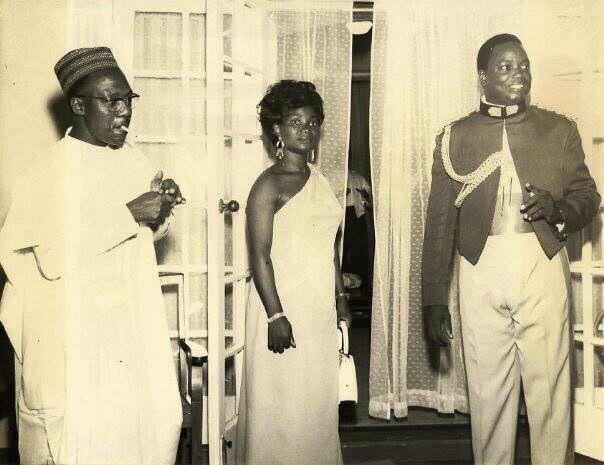
Then came the Nigerian Civil War. Mid-West found itself occupied by Biafran forces, and by the time the dust settled, what little infrastructure the nascent region possessed was reduced to rubble.
Enter a young junior army officer: Major Samuel Ogbemudia. Replacing Colonel David Ejoor in the wake of the occupation, Ogbemudia stepped into a region that was not just broke, it was broken.
What followed was one of the most aggressive, visionary, and transformative sprees of state-building in Nigerian history.
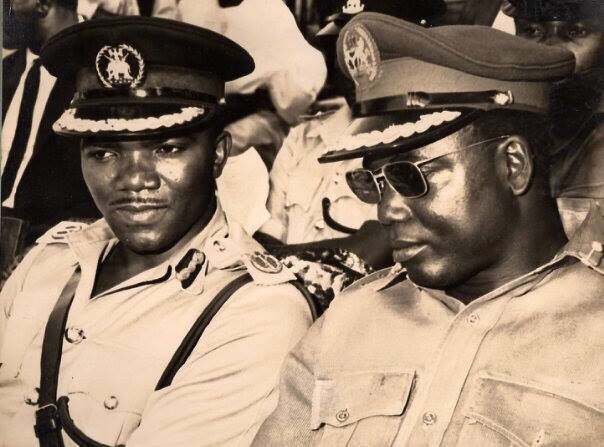
The Master Builder
Ogbemudia looked at a battered, impoverished state and decided it was going to be the envy of the federation. And for a glorious decade, it was.
He didn’t just build roads; he constructed institutions. He established the University of Benin (UNIBEN), Auchi Polytechnic, and revived legacy schools like Edo College. He dove headfirst into industrialization, birthing state-owned enterprises like Mid-Motors, Bendel Brewery, and state agricultural hubs.
Then came sports. Ogbemudia turned Mid-West (later Bendel State) into a sports powerhouse. He built modern facilities, birthed the legendary Bendel Insurance Football Club, and turned the state into an undisputed factory for athletic talent. Under his watch, Bendelites walked into federal civil service offices with a swagger that bordered on arrogance because their state was outperforming almost everyone else.
He gave the people of Mid-West something they had never possessed under regional rule: absolute pride.
The Cookie Jar and the Downfall
Then 1975 happened. General Yakubu Gowon’s government was overthrown, and the incoming Murtala Mohammed regime decided to open the books.
When the asset-investigation panels finished digging, Ogbemudia’s shining legacy hit a massive, messy speedbump. The builder-governor had apparently confused the state treasury with a personal piggy bank. He was dismissed from the military with ignominy and forced to forfeit a small empire of private assets back to the state, including the Palm Royal Motel and vast commercial palm farms.
Yet, in the grand calculus of Nigerian politics, Ogbemudia occupied a unique tier: he was a leader who gave and took. In a political landscape that would later feature figures like Lucky Igbinedion, who famously perfected the art of taking everything while building almost nothing, Ogbemudia’s kleptocratic flaws were viewed through a decidedly pragmatic lens by his people.
The Civilian Encore
By 1983, when Nigeria briefly dipped its toes back into civilian democracy, the voters of Bendel State proved they had a forgiving memory. They voted Ogbemudia back into the governor’s seat.
His second act, however, lacked the lightning-in-a-bottle energy of his first. In a quirky display of executive stubbornness, he refused to live in the official Governor’s Lodge, insisting on staying in his private home. Naturally, this meant his private residence had to be upgraded to presidential standards using public funds.
Before he could accomplish much else, the military struck again in December 1983, cutting his civilian tenure short. He never quite regained the colossal influence of his 1970s heyday before his passing in 2017.
A Legacy in High Contrast
Samuel Ogbemudia remains a classic African political study in high contrast. He genuinely loved his people and built the very bedrock upon which modern Edo and Delta states stand. But he also could not resist the siren call of personal enrichment at the public’s expense.
To write his obituary without mentioning his corruption is a disservice to history; to remember him only for his corruption is an insult to the tangible foundation he left behind.
The tragic irony of Ogbemudia’s legacy is that while the institutional machinery he built has slowly decayed over the decades, his worst habits were eagerly copied by those who came after him. The political “pygmies” who inherited Edo and Delta states managed to match his appetite for public funds while accomplishing a fraction of his grand vision, leaving the two states to forever look back at the Ogbemudia era with a mixture of awe, frustration, and deep nostalgia.

