Passports are supposed to be the great equalizers of national identity. If two people carry the green-backed book stamped with the Nigerian coat of arms, the constitution insists they share the exact same claim to fundamental dignity and justice. But citizenship, like roaming data on a prepaid SIM, appears to depend entirely on which borders your passport happens to cross.
When Laws Become Optional: Suspicious Deaths, Colonial Legacies, and the Dignity Deficit in Nigeria by Lawson Akhigbe
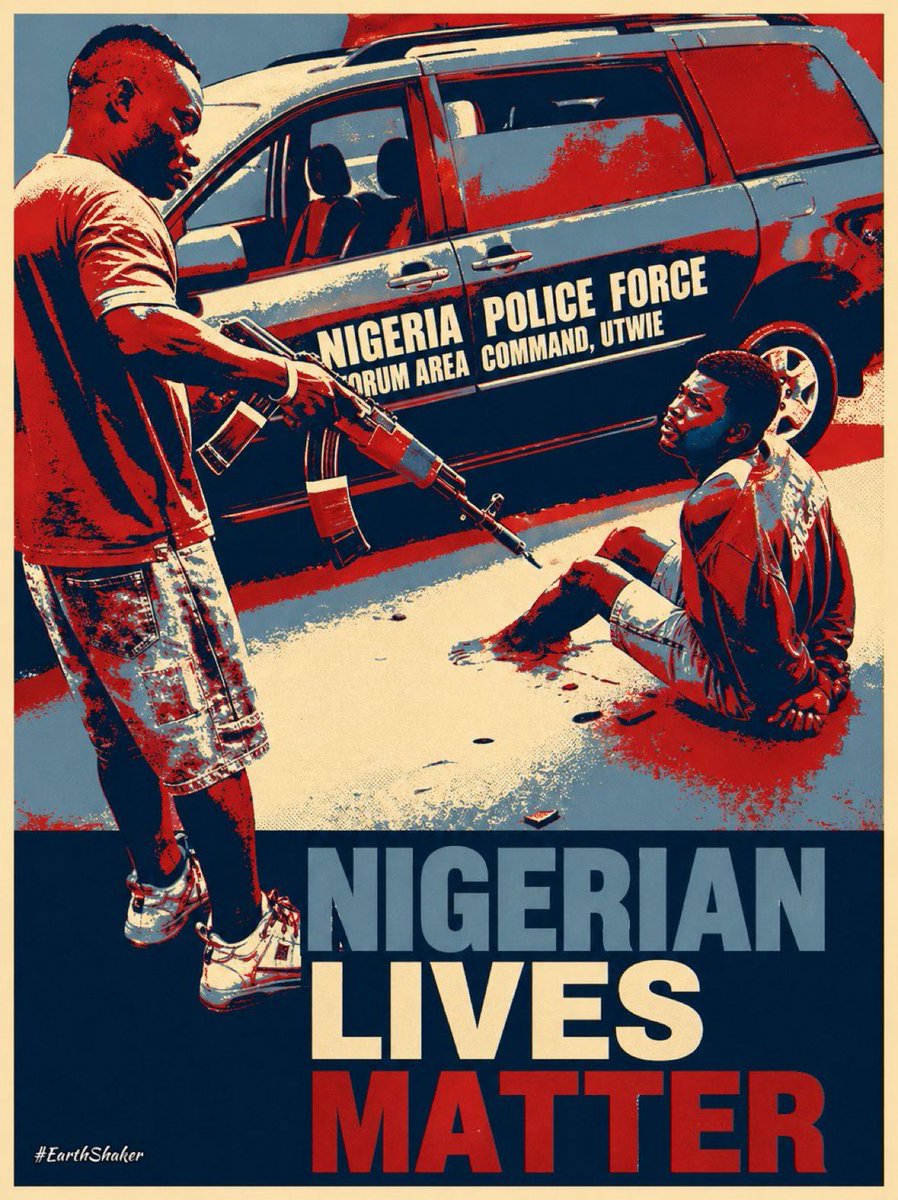
The difference between the United Kingdom and Nigeria is not primarily in the letter of the law. It is in the general application and consistent enforcement of that law. This divergence reveals a deeper reality about how the Nigerian state relates to its citizens.
The Decentralized Rifle: Can Nigeria Survive State Policing? By Lawson Akhigbe
We are told this is the silver bullet for our security paralysis. But as Nigeria stands on the precipice of altering Section 9 and dismantling Item 45 of the Exclusive Legislative List, we must ask: Are we solving a modern security crisis, or are we reawakening old ghosts that once broke the back of our democracy?
The Art of the Bureaucratic Shrug: Why Nigerian Public Officials Never Bring a Pen to an Interview by Lawson Akhigbe
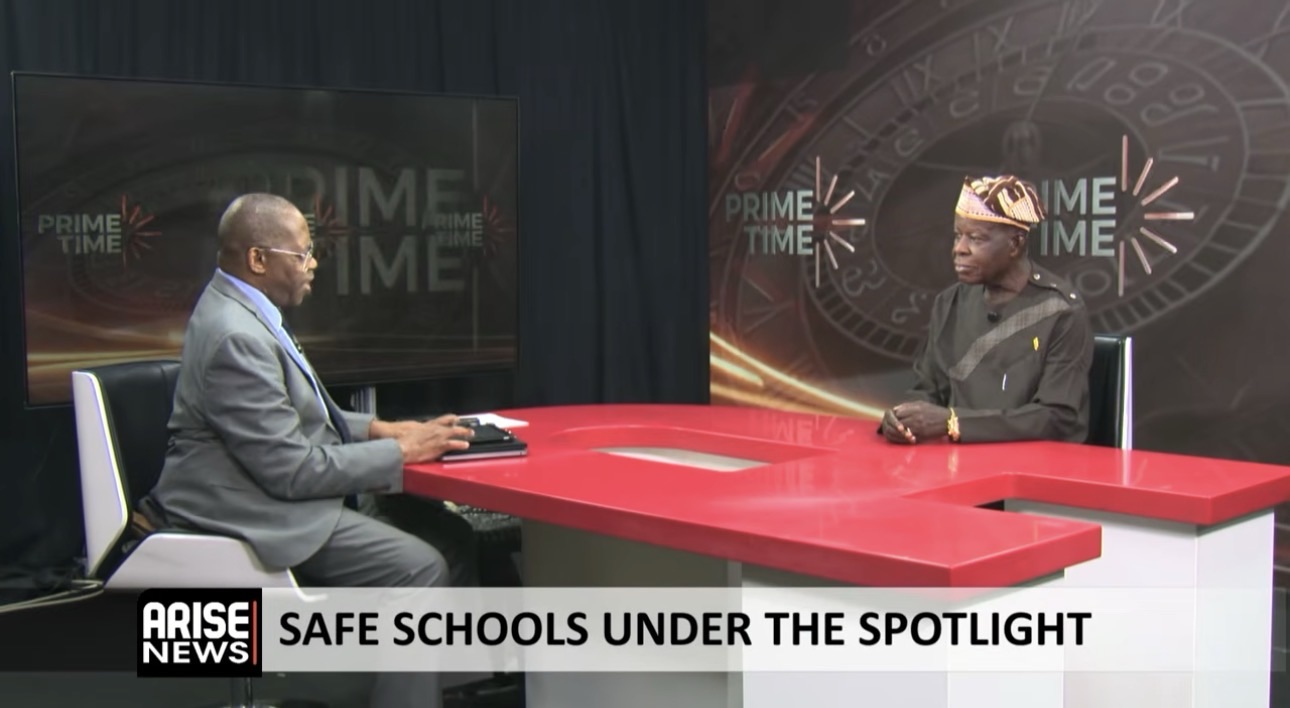
he backdrop of the interview was heavy: a massive Senate investigation into the "Safe Schools Initiative," a program conceptualized to protect students after the harrowing 2014 Chibok girls tragedy. We are talking about tracking billions of naira and over $30 million in donor funding. It’s the kind of high-stakes scrutiny that should make any public servant sweat through their starch-pressed Agbada.
The Nigerian Police Force: A Colonial Machine That Never Changed by Lawson Akhigbe
To understand the modern Nigerian Police Force, one must first understand its origins. The uncomfortable truth is that the institution was never created to protect ordinary Nigerians. It was established to protect the interests of those who ruled Nigeria, first the British colonial administration and later the Nigerian political elite that inherited the colonial state.