From Awolowo to Ahmadu Bello, Azikiwe to 1999, Nigeria travelled from ideological competition to a political marketplace where the loudest principle is often self-interest.
How to Rob a Bank and Get Hired as Head of Security: The Curious Case of Nigeria’s Oil by Historic Capital
Imagine waking up every morning to discover that your neighbor has kicked down your fence, siphoned your water tank, and hot-wired your generator. In most corners of the world, you’d call the authorities. But in the grand geopolitical theatre of Nigeria, there’s a much more inventive playbook: you write that neighbor a multi-billion-naira check and name them your Chief Security Officer.
The Certificate That Refused to Die (And the Side-Eye That Will Outlive Us All) by Lawson Akhigbe
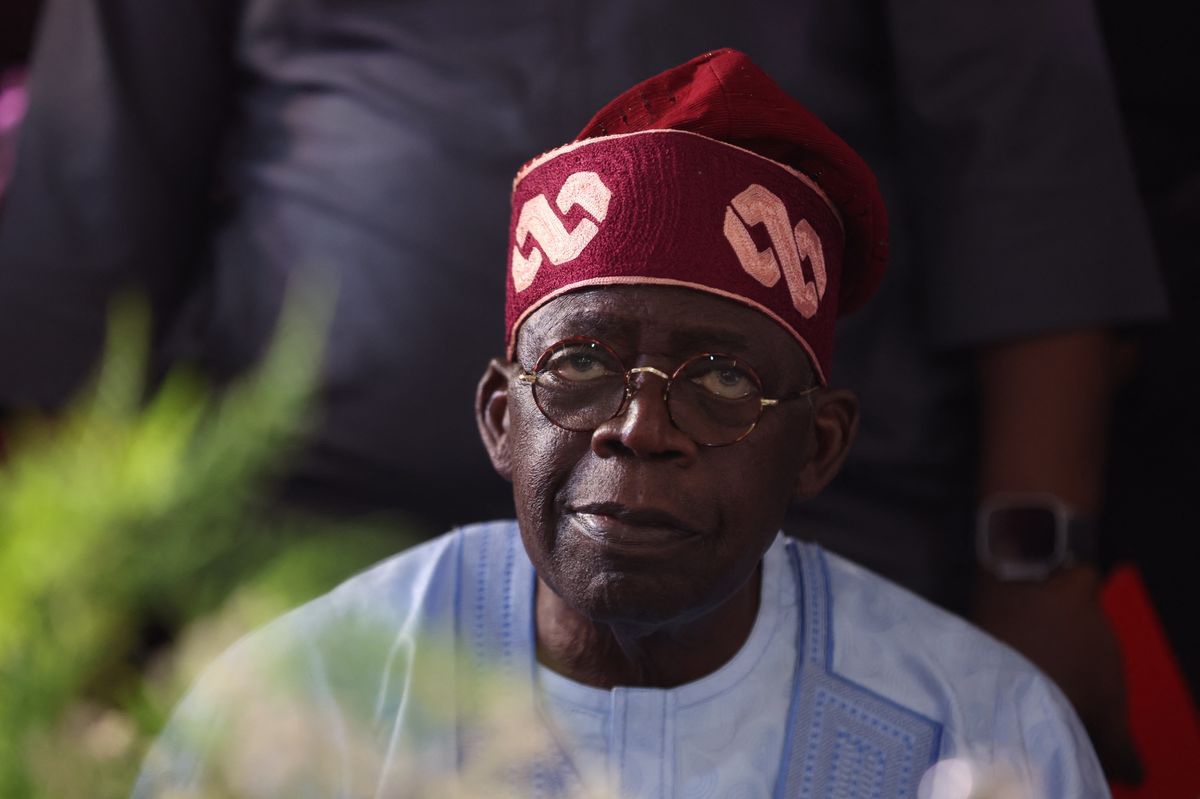
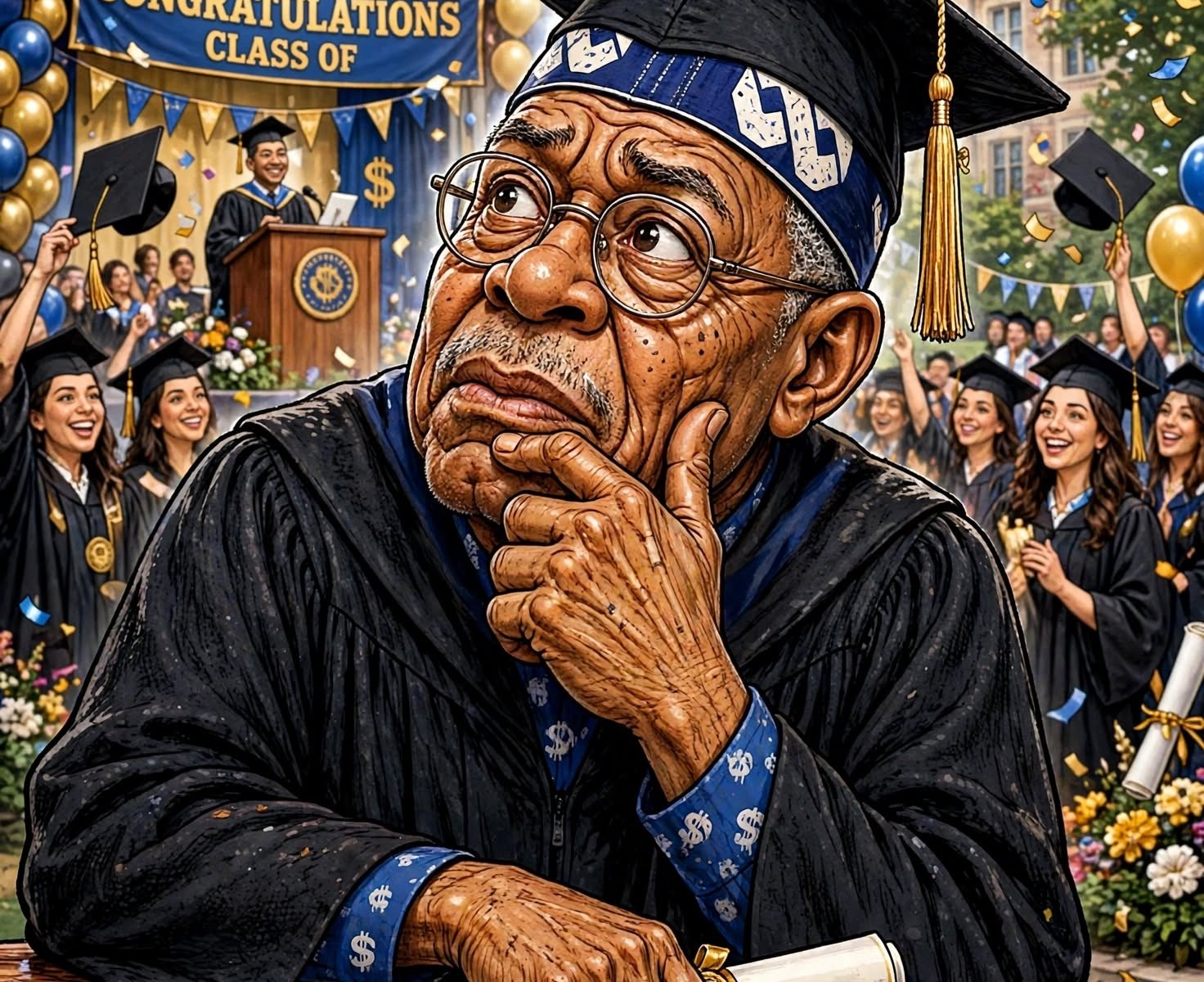
There is a peculiar Nigerian genius for turning what should be a straightforward question of paper into a multi-year soap opera complete with American depositions, competing affidavits, and enough footnotes to sink a small ship. President Bola Ahmed Tinubu’s educational records have now achieved that rare status: they are both officially confirmed and permanently suspicious, legally sufficient and politically radioactive. The latest round of scrutiny, sparked by a resurfaced 1999 INEC form listing everything from St. Paul’s Aroloya to the University of Chicago, has once again forced the country to confront an uncomfortable truth. We have a president whose degree is real, whose pre-university claims are porous, and whose certificate format has generated more heat than light.

Live by Executive Orders, Die by Executive Orders by Lawson Akhigbe
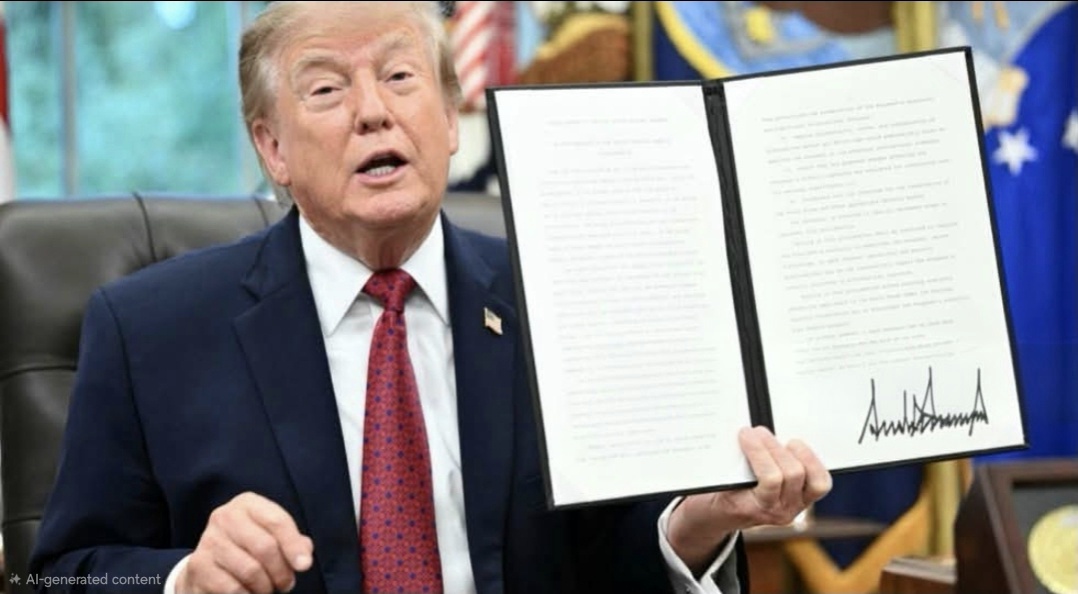
A president cannot bind his successors with executive orders. This is not radical constitutional theory. It is the plain, unromantic fact of the American system. Executive orders are the administrative equivalent of sticky notes left on the Resolute Desk: useful for the person who wrote them, mildly binding on the next occupant only for as long as that occupant finds them convenient, and entirely disposable the moment convenience ends
Caesar’s Wife and the Nigerian Judiciary: Why the NJC Needs Radical Reform by Lawson Akhigbe
The ancient Roman statesman Julius Caesar divorced his wife Pompeia after she became embroiled in a scandal, despite there being no proof of wrongdoing on her part. His explanation has echoed through the centuries: “Caesar’s wife must be above suspicion.”