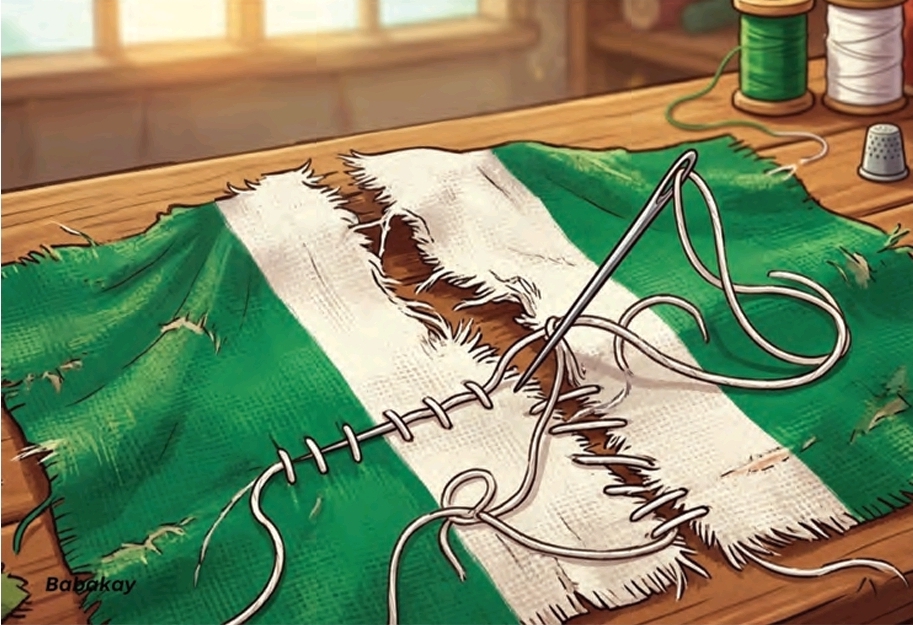
Nigeria turns 66 today, and the mood is not celebratory. Sixty-six years is long enough for a nation to have settled into itself. This one still feels suspended between promise and disappointment.
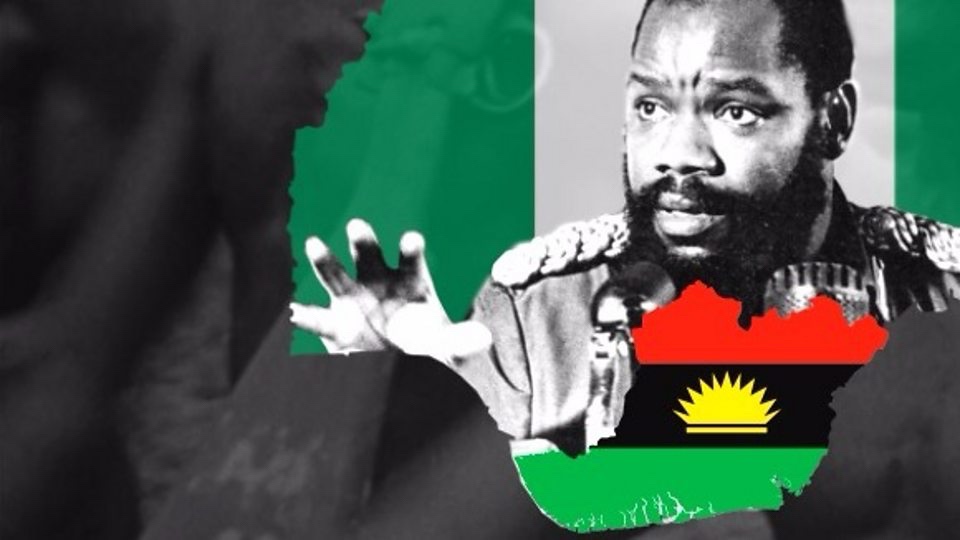
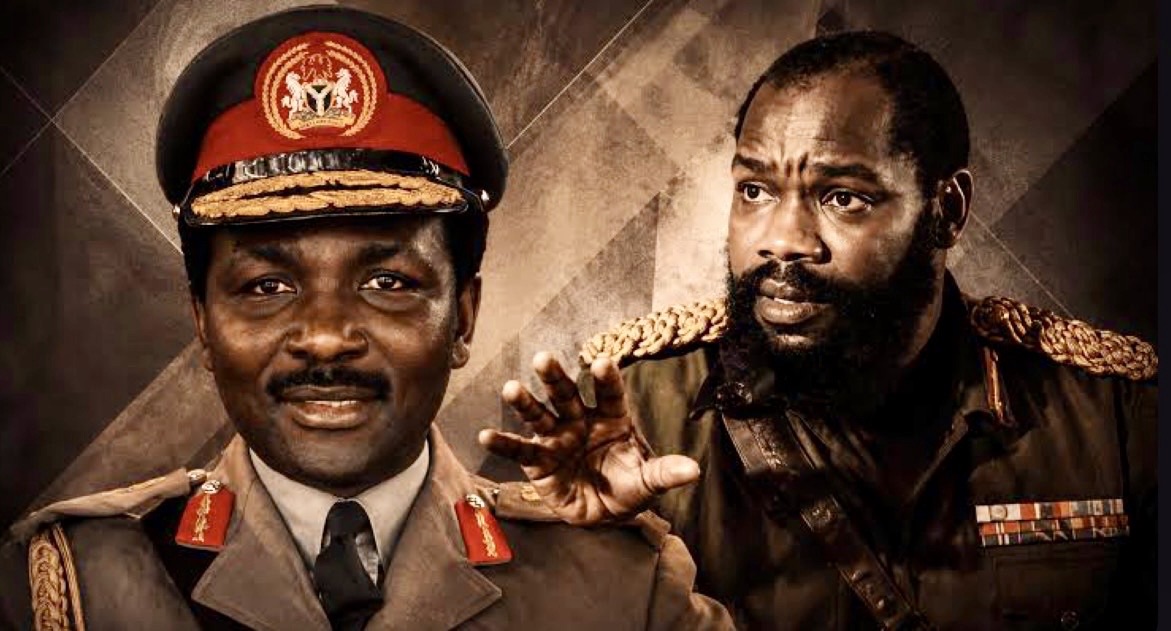
No Victor, No Vanquished? Gowon’s Memoir Reopens Biafra’s Bloody Ledger by MARCEL MBAMALU
His new memoir, “My Life of Duty and Allegiance”, points a finger from the grave of history at Chukwuemeka Ojukwu — accusing the dead Biafran leader of lying about Aburi, arming the East for war, and dragging Nigeria into bloodshed. Ojukwu, buried since 2011, cannot answer.
Rejoinder: BOOK REVIEW: Yakubu Gowon’s “My Life of Duty and Allegiance”, – Aburi Accord failed due to federal backtracking, not Ojukwu’s intransigence,’ says Onoh by Oluyemi Ogunseyin
Drawing from over a decade of deep, personal discussions with his late brother-in-law, Ojukwu, in his private residence and office, as well as his personal interactions with late Col. Achuzie and particularly his 1998–1999 conversations with late Maj. Gen. Philip Effiong, Onoh said his narrative is a firsthand account of the events.
BOOK REVIEW: Inside Yakubu Gowon’s “My Life of Duty and Allegiance”, By Mathew Hassan Kukah
The reader will be right to expect that this book will be the biography to end all biographies and accounts of Nigeria’s chequered history through three coups and a civil war. If you are expecting any revelations from declassified documents, private papers and notes, the reader might be disappointed. The reasons is that, from the beginning, the author confesses that: I want to emphasise that I am telling my story without access to my crucial personal records since many important documents taken from my desk after my removal in July 1975 were discarded by those who succeeded me. Other documents that survived were destroyed by two fire incidents in Bakori and Kaduna(xxi). Yet, none of this diminishes the book which obviously was written straight from whatever he could remember.
THE FOUR THEATRES: A GUIDE TO AFRICA’S ATROCITY CIRCUIT By Lawson Akhigbe
There is a peculiar comfort in cartography. Draw a line around a catastrophe, label it, and it becomes something one can point to on a map rather than something one must answer for. Africa, in the twenty-first century, has been organised into four such catastrophes with the tidiness of a continental league table the Great Lakes, the Horn, the Sudans, and the Sahel each running its own fixture list of massacre, displacement and denial, each independently promoted from "concern" to "crisis" to "protracted emergency" without ever being relegated back down to "peace."