

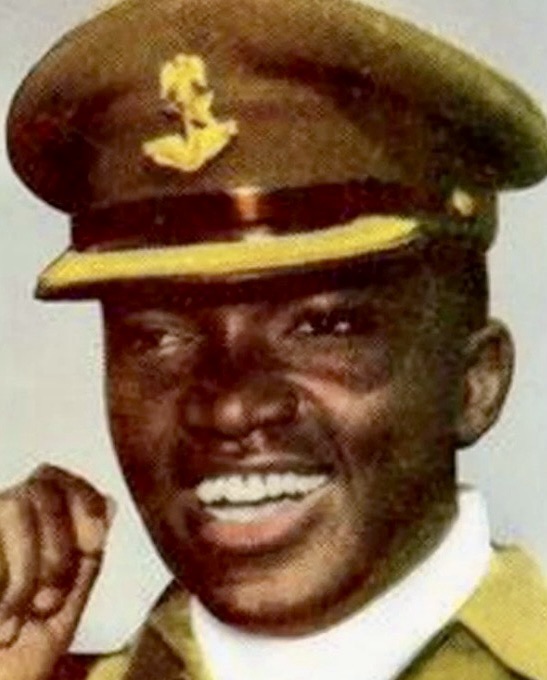
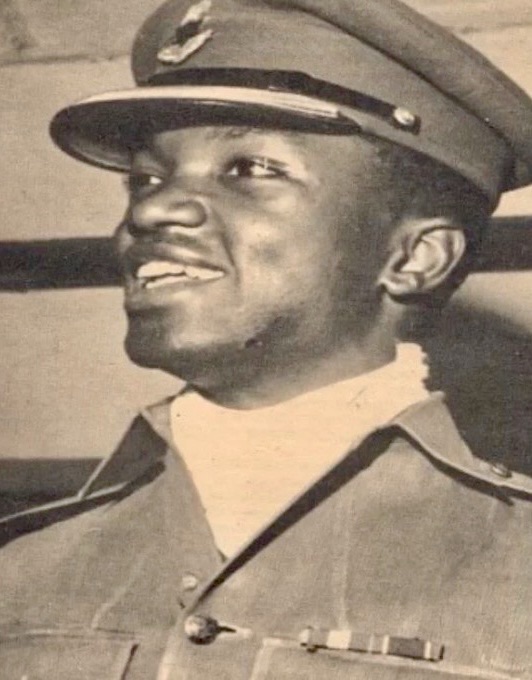
Major Chukwuma Nzeogwu remains one of the most enigmatic and pivotal figures in Nigerian history. As the principal planner of the January 15, 1966, military coup, his actions set in motion a chain of events that may have led to the Nigerian Civil War. His own life would end just over a year later, not in triumph, but in an ambush near Nsukka.
Early Life and Military Career
Born in Kaduna in 1937 to parents from Okpanam in present-day Delta State, Patrick Chukwuma Nzeogwu was educated at Saint Joseph’s Catholic Primary School and Saint John’s College in Kaduna. He enlisted in the Nigerian Regiment in 1957, trained in Ghana and at the Royal Military Academy, Sandhurst, and was commissioned as an infantry officer in 1959. After returning to Nigeria in 1960, he served in various posts, including a stint with United Nations forces in Congo. His deep connection to Kaduna earned him the lifelong nickname “Kaduna” from his Hausa colleagues.
A defining period came from 1962 to 1964, when he became the first Nigerian officer to head the Army’s Field Security Section (the precursor to military intelligence). In this role, he was involved in sensitive investigations, including the treasonable felony case against former Premier of Western Nigeria and leader of opposition, Chief Obafemi Awolowo. His stern and uncompromising approach reportedly created friction with superiors and political figures, leading to his transfer to the Nigerian Military Training College in Kaduna as Chief Instructor. Fellow officer Lt-Col Patrick Anwunah later described him as “a radical and an inwardly insubordinate young officer.”
The January 1966 Coup
At 29 years old, Major Nzeogwu led the execution of the coup in Nigeria’s northern region. In the early hours of January 15, his unit attacked the residence of the Premier of the Northern Region, Sir Ahmadu Bello. The coup resulted in the deaths of Prime Minister Abubakar Tafawa Balewa, federal ministers including Festus Okotie-Eboh, and Western Region Premier Samuel Ladoke Akintola and senior army officers predominantly from the North and West. The apparent sparing of key Igbo figures, including President Nnamdi Azikiwe and the Army Chief, General Aguiyi Ironsi, the Premier of Eastern Region, Dr Michael Okpara led many to label it an “Igbo coup.”
In his famous radio broadcast announcing the suspension of civilian rule, Major Nzeogwu declared the coup’s aim was to establish a nation “free from corruption and internal strife,” and railed against “political profiteers, swindlers, and tribalists.” However, when General Ironsi assumed control of the government, he placed Major Nzeogwu under arrest. This did little to assuage regional tensions, and a violent counter-coup in July 1966 led by Major Theophilus Danjuma, Lieutenant Colonel Murtala Muhammed and other northern soldiers targeted Igbo officers and civilians, directly paving the path to the secession of Biafra and civil war.
A Reluctant Biafran and His Death
Following the counter-coup, Major Nzeogwu was released by the Biafran leader, Lt. Colonel Odumegwu Ojukwu. Despite being promoted within the Biafran army, Major Nzeogwu was a conflicult figure. He was a known advocate for a united Nigeria and had openly suggested confederation as a solution, views that put him at odds with Ojukwu. Distrusted by the Biafran leadership, he was denied a formal command.
Frustrated, Major Nzeogwu took to leading informal, risky guerrilla raids against federal troops. On July 29, 1967, while on a night reconnaissance operation near Nsukka, his unit was ambushed by soldiers of the Nigerian Army’s 21st battalion. Major Nzeogwu was killed in the ensuing firefight.
In a remarkable postscript, Nigeria’s Head of State, General Yakubu Gowon, ordered that Major Nzeogwu’s body—technically that of an enemy combatant—be recovered, flown to Kaduna, and buried with full military honors. This act underscored the complex respect he commanded even among former adversaries. As General Domkat Bali later reflected, “We believed that he was a genuine patriotic officer… His death was regrettable.”
Legacy
Major Chukwuma Nzeogwu’s legacy remains fiercely debated. Was he a patriotic idealist who sought to purge a corrupt system, or a catalyst for national trauma? His story is inextricably linked to the coup that shattered Nigeria’s First Republic and the brutal war that followed, leaving a permanent mark on the nation’s history.

