Two generations ago, in the fall of 1974, President Gerald Ford and the Republican Party approached the midterm elections with considerable dread. That August, Richard Nixon had learned that he could no longer outrun his crimes in the White House. One tape recording in particular, the so-called smoking gun, proved that he had conspired with his aide H. R. Haldeman to obstruct the investigation into the Watergate break-in. The Republican elders Barry Goldwater, John Rhodes, and Hugh Scott told Nixon that impeachment in the House of Representatives was now certain, and conviction in the Senate likely. Nixon resigned, handing over his office to Vice-President Ford. A month later, Ford issued Proclamation 4311, pardoning Nixon for any crimes that he might have committed as President. Watergate, Ford said, had been “an American tragedy, in which we all have played a part. It could go on and on and on, or someone must write the end to it. I have concluded that only I can do that, and if I can, I must.”
The Unwelcoming States of America By Robert Guest
I’ve reported from more than 100 countries, so when I say America is unique, I’m not basing that assessment on nothing. It is—by far—the place that the largest number of people want to move to. That has always been its greatest strength. If lots of fertile land and natural resources were what mattered most, Russia would be a paradise
Live by Executive Orders, Die by Executive Orders by Lawson Akhigbe
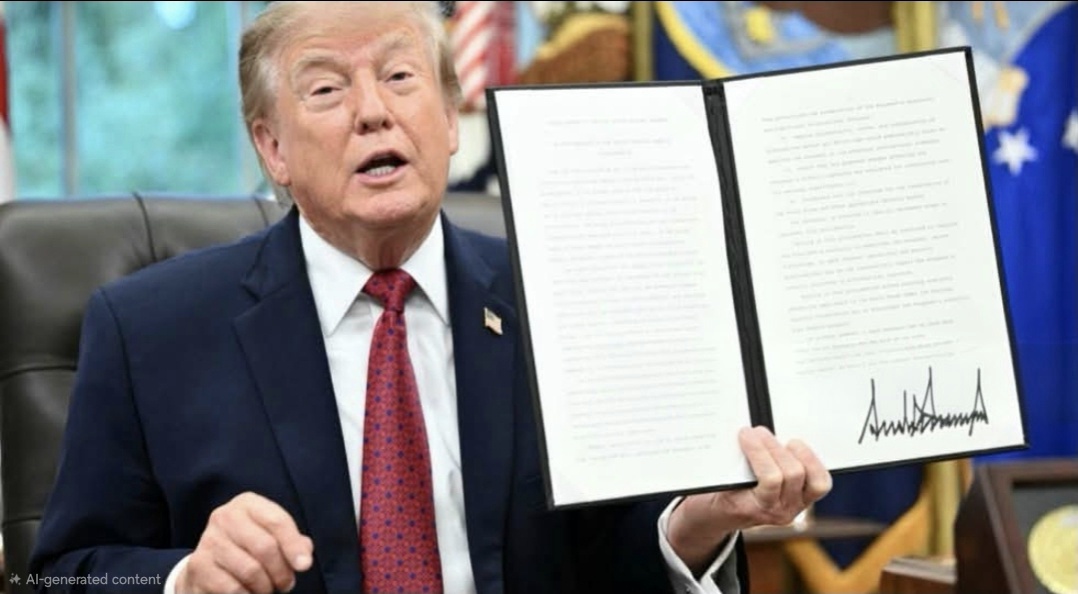
A president cannot bind his successors with executive orders. This is not radical constitutional theory. It is the plain, unromantic fact of the American system. Executive orders are the administrative equivalent of sticky notes left on the Resolute Desk: useful for the person who wrote them, mildly binding on the next occupant only for as long as that occupant finds them convenient, and entirely disposable the moment convenience ends
Trump Issues New Birthright Citizenship Orders In Direct Defiance Of Supreme Court by Joe Patrice
After the Supreme Court ruled in Trump v. Barbara that the Fourteenth Amendment’s birthright citizenship clause means exactly what it says, and exactly what every court has agreed it says for over a century, Donald Trump threw a temper tantrum pledging that he would seek an immediate rehearing to reverse the decision. He didn’t have any basis for this, and even less of an argument for reversal, so the deadline for that motion came and went with no action from the White House.
The Diminishing Deal: When Trump Demands the Whole Field and Settles for the Square Metre He’s Already Standing On by Lawson Akhigbe
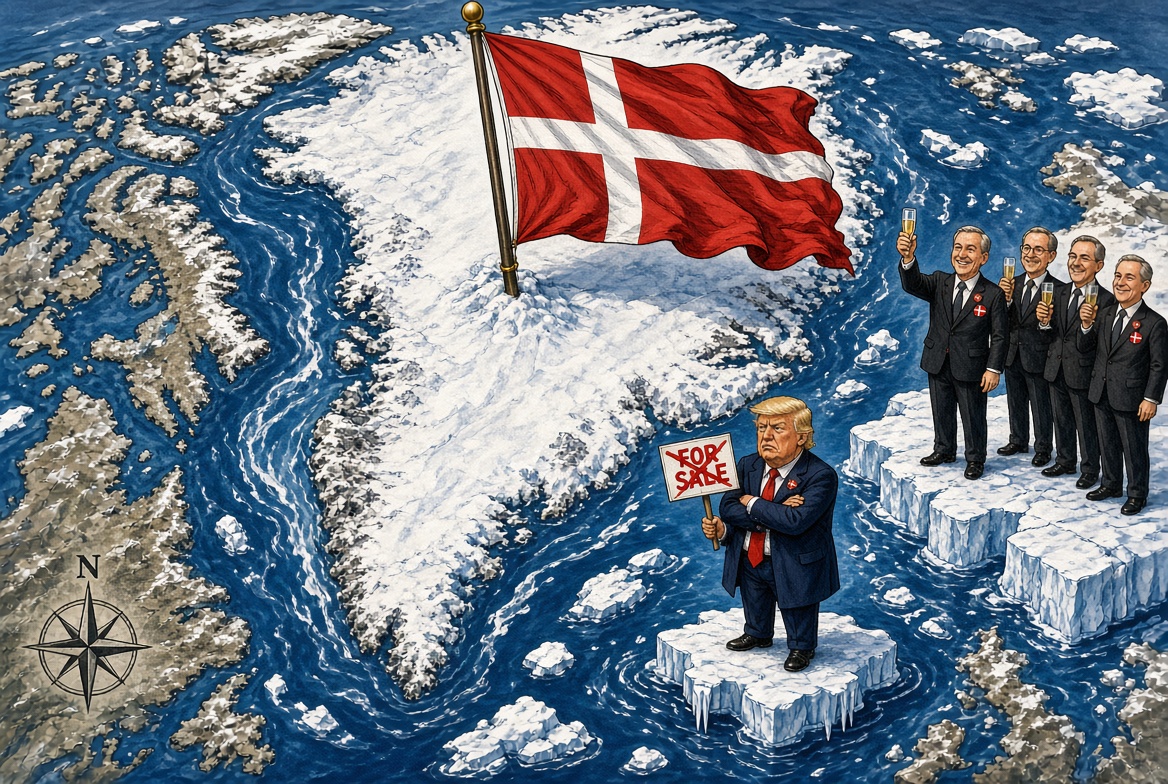
Donald Trump wanted Greenland. Not in the quiet, diplomatic, “let’s explore strategic interests over aquavit and polite nods” manner that grown-up nations occasionally attempt. No. He wanted it the way a toddler wants the biggest toy in the shop window: loudly, immediately, and with zero regard for the fact that it already belongs to someone else.