The question is a favourite among Nigerian intellectuals who enjoy comparing our sprawling, oil-soaked federal experiment with Singapore’s tidy city-state miracle. It is usually asked with a mixture of envy and self-flagellation, as if the late Lee Kuan Yew were some portable management consultant who could have been airdropped into Lagos in 1960 and promptly …
The Best President Nigeria Never Had: A Fantasy in Free Education and Hard Arithmetic by Lawson Akhigbe
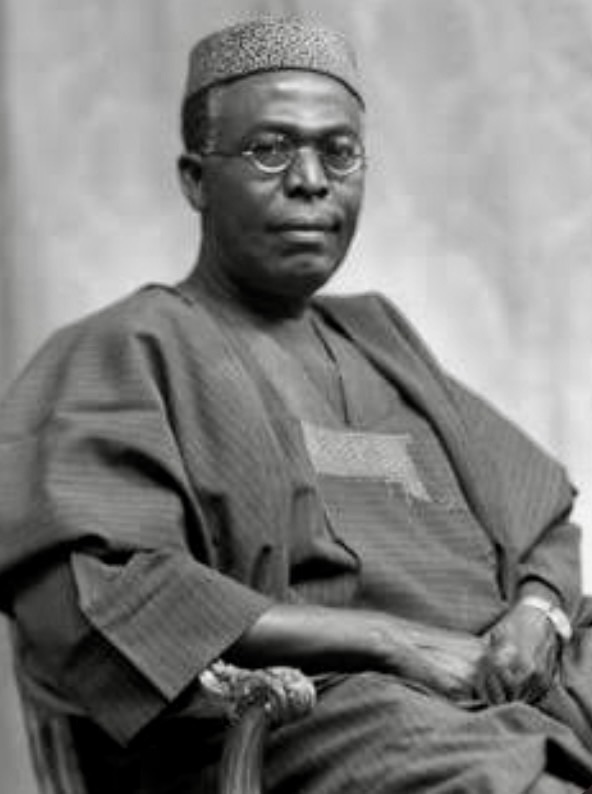
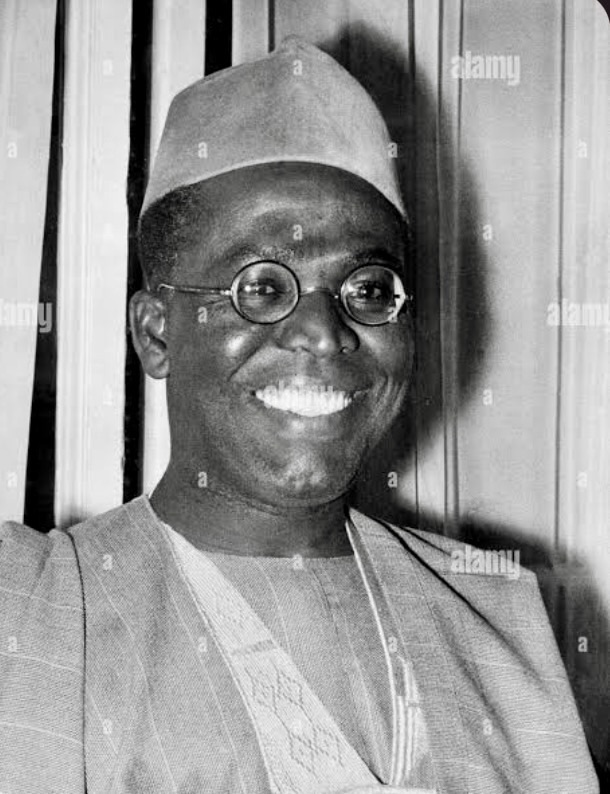
It has become almost obligatory, whenever Chief Obafemi Awolowo’s name is mentioned in polite company, to sigh and declare that he was the best president Nigeria never got. The phrase has the comforting quality of a national lullaby. It allows us to admire the man without the inconvenience of testing the claim against the actual …
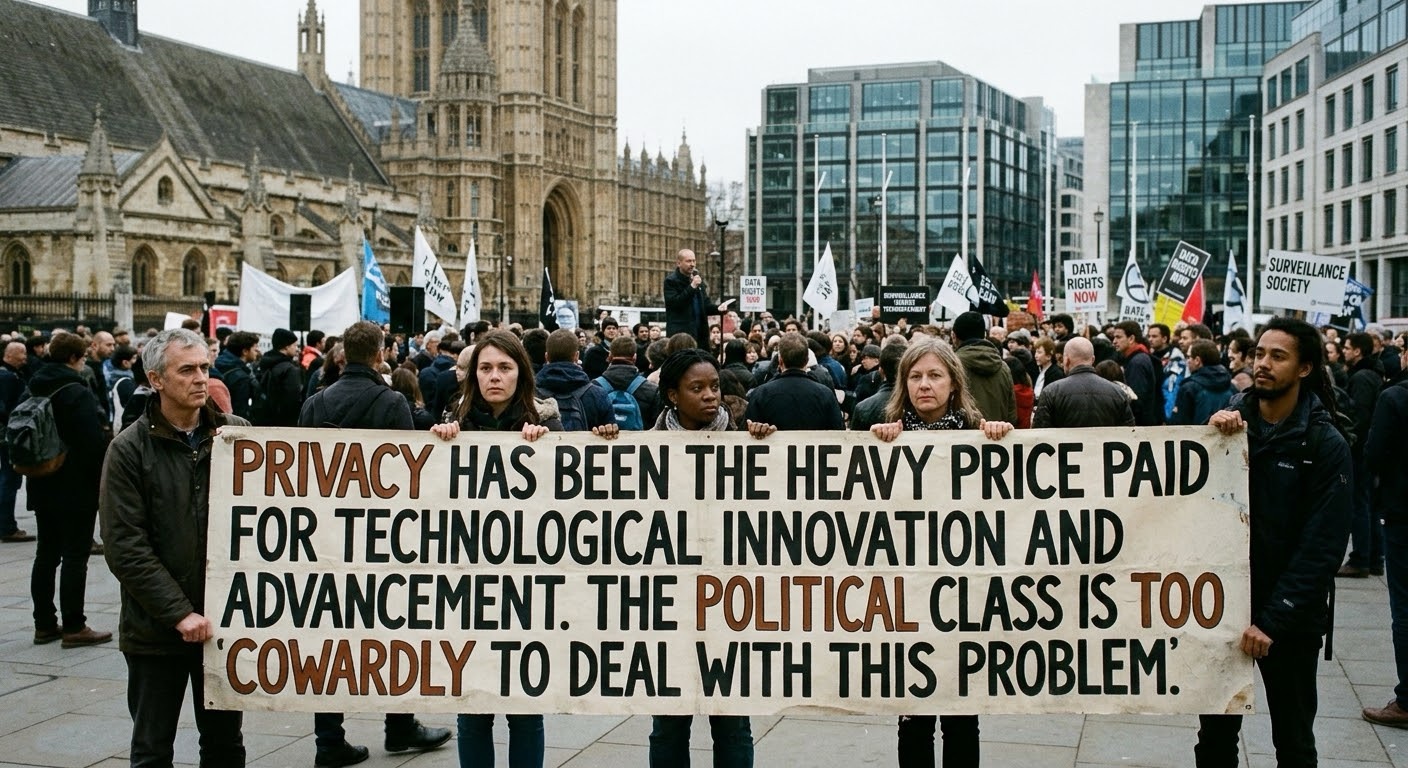
Privacy
What’s something you miss from the old days? Privacy has been the heavy price paid for technological innovation and advancement. The political class is too cowardly to deal with this problem.
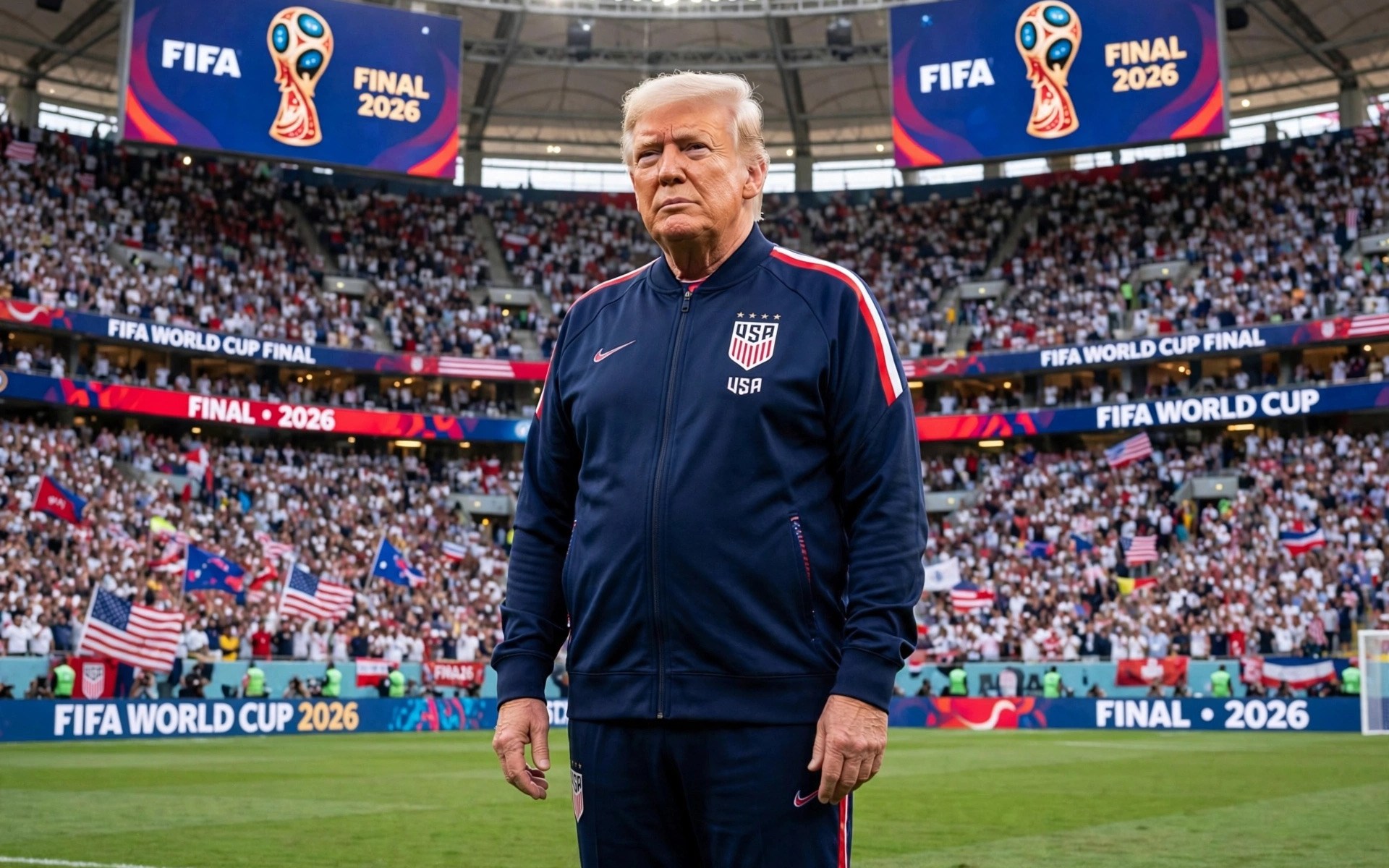
Breaking the Decade-Long Trump Fever By David Remnick Editor
Two generations ago, in the fall of 1974, President Gerald Ford and the Republican Party approached the midterm elections with considerable dread. That August, Richard Nixon had learned that he could no longer outrun his crimes in the White House. One tape recording in particular, the so-called smoking gun, proved that he had conspired with his aide H. R. Haldeman to obstruct the investigation into the Watergate break-in. The Republican elders Barry Goldwater, John Rhodes, and Hugh Scott told Nixon that impeachment in the House of Representatives was now certain, and conviction in the Senate likely. Nixon resigned, handing over his office to Vice-President Ford. A month later, Ford issued Proclamation 4311, pardoning Nixon for any crimes that he might have committed as President. Watergate, Ford said, had been “an American tragedy, in which we all have played a part. It could go on and on and on, or someone must write the end to it. I have concluded that only I can do that, and if I can, I must.”

Awo’s 1966 Prison Letter: The Job Application Written in Chains by Lawson Akhigbe
On 28 March 1966, while the rest of Nigeria was still adjusting to the strange new reality of soldiers in charge, Chief Obafemi Awolowo sat in Calabar Prison and wrote what must rank as one of the most elegant job applications in Nigerian history. It was addressed to Major-General Johnson Aguiyi-Ironsi, the man who had just inherited a broken country, and it asked, with exquisite politeness, for a free pardon.