From "Worst Deal Ever" to Quiet Regret: The Shifting Discourse on Trump's JCPOA Withdrawal
How Europe Underdeveloped Africa by Walter Rodney
Which book have you read more than any other? First year as a law undergraduate student and refresher reading as the decades have come and gone. He could have written the book today and you will see clearly the origin and the failure of now to resolve the original sin. The book is about politics, …
Continue reading "How Europe Underdeveloped Africa by Walter Rodney"
THE FUTURE OF NORTHERN NIGERIA by THISDAY NEWSPAPERS
The North must confront difficult truths that have too often been avoided or obscured by political correctness
When the Court Said “No” and the Military Said “Watch Me”: The Landmark Case of Emmanuel Olatunde Lakanmi v. Attorney-General (West) [1971] By Lawson Akhigbe
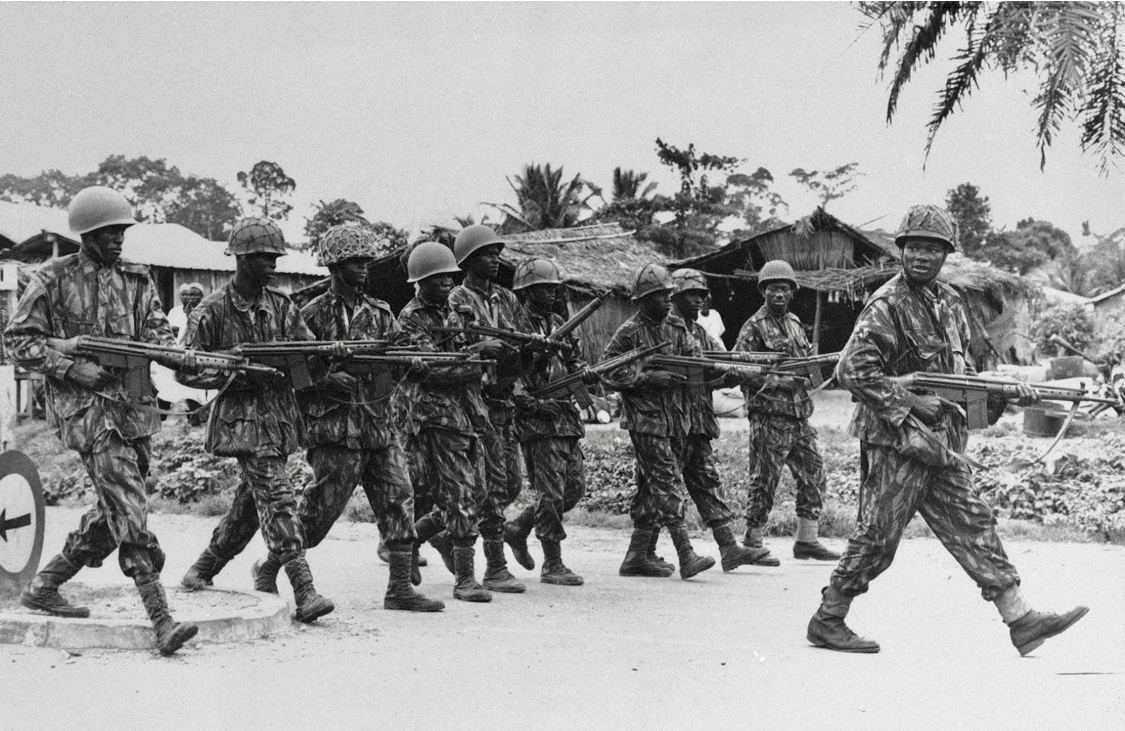
The Case of Lakanmi & Kikelomo Ola v. Attorney-General (West) & Others The post discusses a landmark Nigerian legal case, "Lakanmi & Kikelomo Ola v. Attorney-General (West) & Others," which highlights the tension between the judiciary and the military government in Nigeria. Background: Following the military coup of January 15, 1966, Nigeria was ruled by the Federal Military Government (FMG) which issued decrees and edicts without a proper court process. Lakanmi and others were seized of their assets under the Western State Assets Forfeiture Edict, which established a tribunal to investigate individuals and seize their assets. Judgment: The courts, remarkably, agreed with Lakanmi and others, and their challenge succeeded. The Supreme Court ruled in their favor again, laying down some of the most important constitutional principles in Nigerian legal history. Constitutional Principles Established: 1. Military Government Is Revolutionary, Not Sovereign: The Supreme Court made a distinction that the military did not govern by inherent sovereign authority. It came to power through revolution, an extra-legal, factual event, and therefore its authority was necessarily limited by the nature of its origin. The post emphasizes the courage and intellectual rigor of the judiciary in delivering a judgment that challenged the military government's authority. It also highlights the government's retroactive legislative action, which nullified the court's judgment and effectively told the judiciary that it would not be needed.
When “We Had No Choice” Becomes a Legal Doctrine: The Doctrine of Necessity in Nigerian Constitutional Law by Lawson Akhigbe
Nigerian public life has a tradition of justifying questionable legal actions with the doctrine of necessity, a principle originating from the UK's unwritten constitution. This doctrine allows for actions deemed unlawful under normal circumstances if they are necessary to prevent greater harm, such as escaping a burning building. However, Nigeria, with its codified Constitution of 1999, presents a stark contrast. The constitution, seen as the supreme law, renders any act inconsistent with it void. The article questions how the doctrine of necessity can coexist within a constitutional democracy like Nigeria, highlighting the tension between the flexible nature of UK law and the rigid framework of Nigeria's constitution.