The NGO Trap: How a $1 Trillion Industry Learned to Love African Poverty by Lawson Akhigbe

Somewhere in a glass-and-steel conference centre in Geneva, a distinguished panel is convening to discuss Africa's poverty crisis. The room costs £18,000 a day to hire. The keynote speaker flew business class from Washington. The catered lunch is exceptional. The conference proceedings will produce, in due course, a forty-seven page report recommending as the 1994 report did, as the 2003 report did, as the 2011 report did, more aid. Africa, meanwhile, remains poor.

The Holy Order of Selective Outrage: Rudy Giuliani, LIV Golf, and the Art of the Grift by Lawson Akhigbe

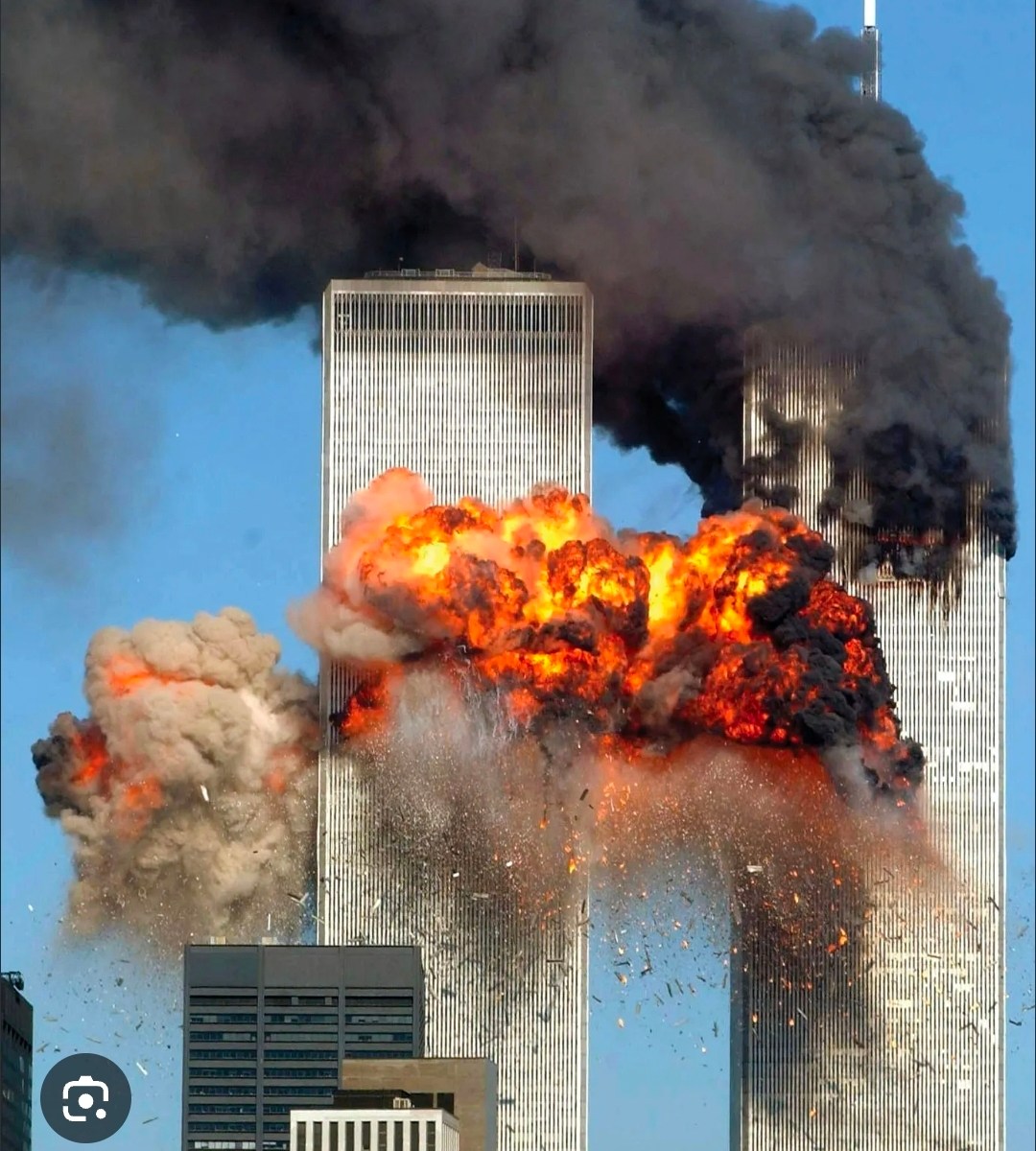
Rudy Giuliani has once again emerged from whatever landscaping parking lot or podcast dungeon he currently frequents to deliver a sermon on moral purity. In a television rant that felt like an archaeological dig through early-2000s cable news grievances, the former mayor declared that New York City’s mayor should skip the official September 11 memorial ceremonies. The mayor’s disqualifying offense? He happens to be Muslim.

The Safe Place for Bigotry and Crime by Lawson Akhigbe

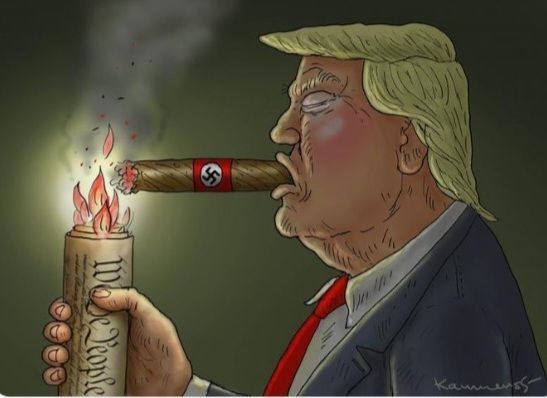
It has no postcode. It does not appear on Google Maps. There are no street signs pointing towards it. Yet, whenever one of its inhabitants is caught saying something outrageous or doing something politically or legally questionable, suddenly we are told that the offending words or conduct belonged there.

The ICC’s Selective Blindfold: Sharp Justice for Africans, Soft Landing for the Powerful by Lawson Akhigbe

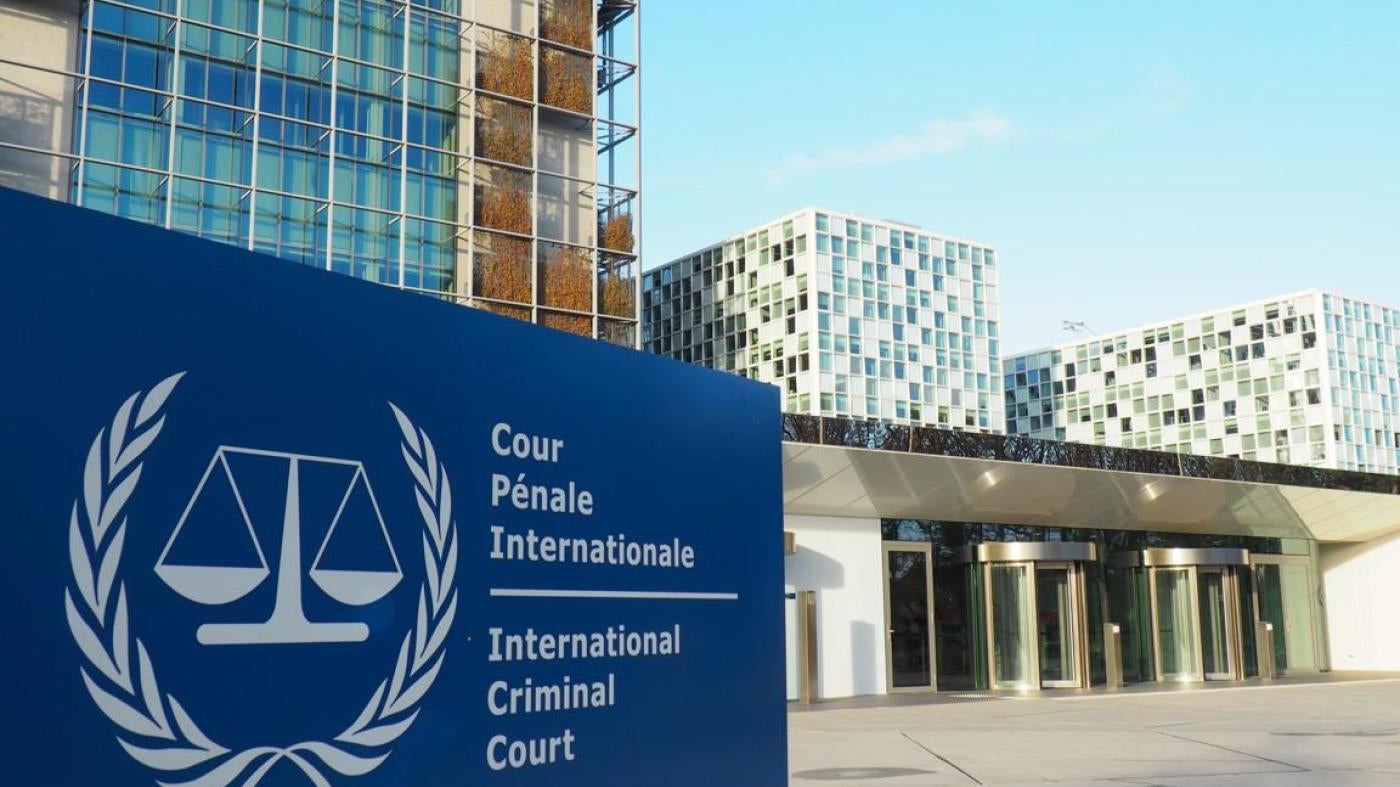
For years the International Criminal Court has operated like a colonial-era court with better stationery and a more solemn logo. The docket groaned under the weight of African cases while the architects of certain adventures in Libya, Iraq, and beyond somehow remained mysteriously unburdened by the same enthusiastic pursuit of accountability. The rule of law, we were solemnly told, was universal. The application, it turned out, was rather more exclusive.

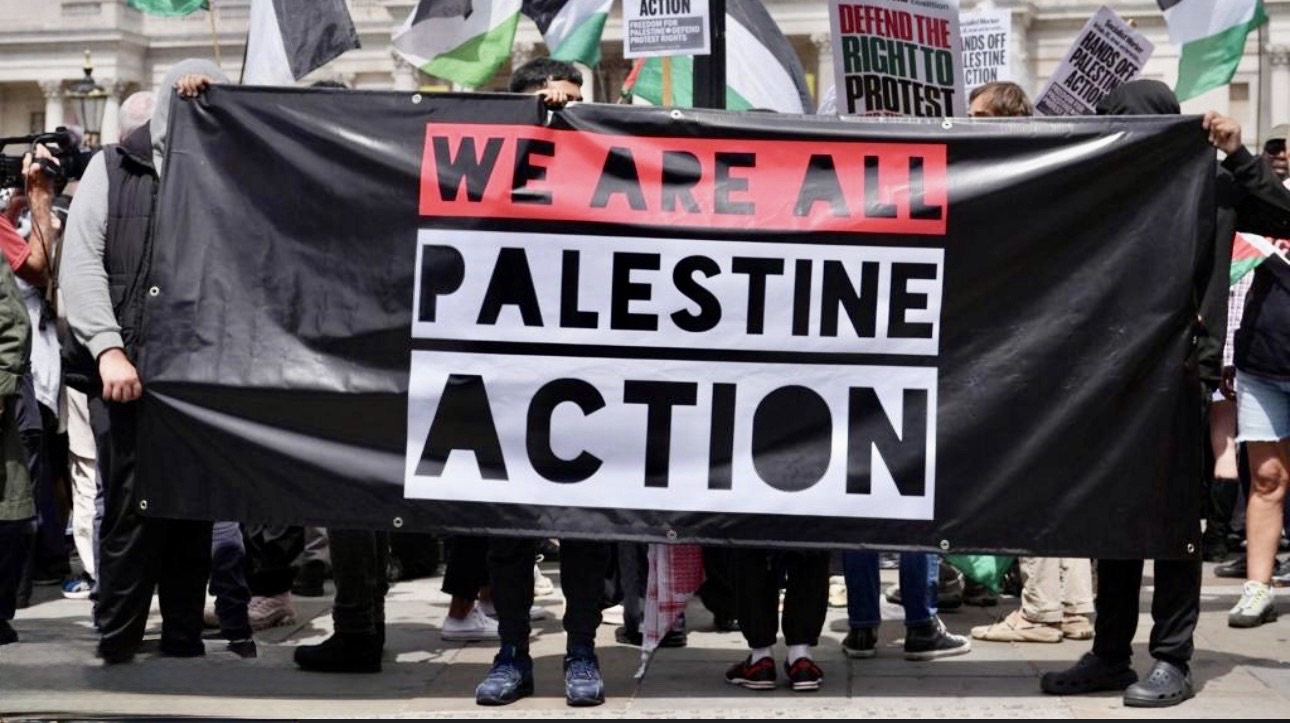
The Law Is a Blunt Instrument by Lawson Akhigbe

In the fearful months and years following the terrorist attacks of 11 September 2001, Western democracies faced an unenviable dilemma. Their citizens demanded protection from an enemy that recognised no borders, wore no uniforms and deliberately targeted civilians.