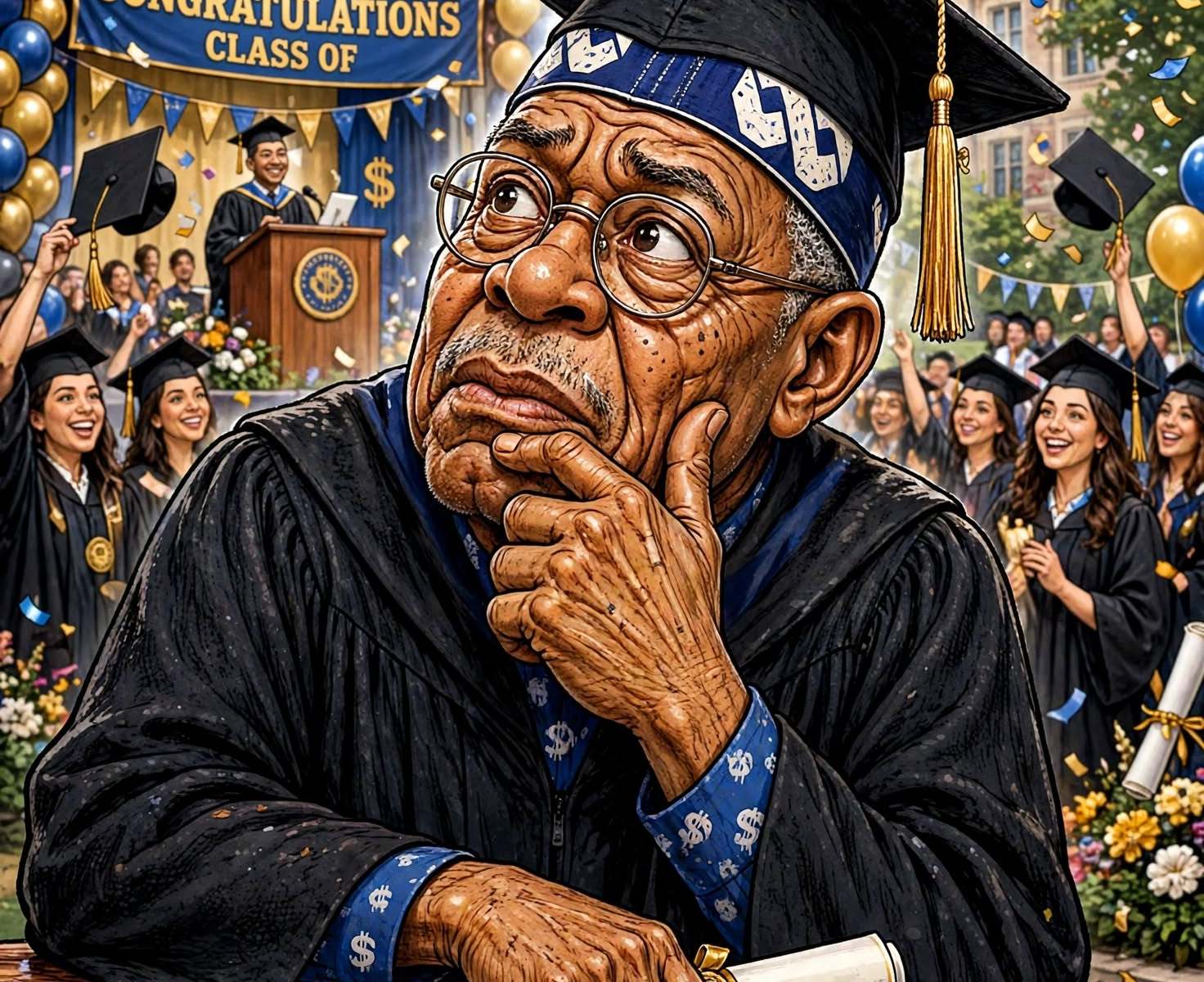
President Bola Ahmed Tinubu and his APC government have proclaimed an ambition to build a one-trillion-dollar Nigerian economy.
A Trillion-Dollar Economy, But Whose Nigeria? By Lawson Akhigbe


Reporting News and Opinions
President Bola Ahmed Tinubu and his APC government have proclaimed an ambition to build a one-trillion-dollar Nigerian economy.

There is a peculiar brand of honesty that only slips out when an official forgets to read the democratic script. Usually, freshly inaugurated politicians feel obliged to rehearse the standard civic pieties muttering something about service delivery, the rule of law, or the sovereign will of the people. But every once in a while, the system produces a moment of pure, unvarnished clarity.
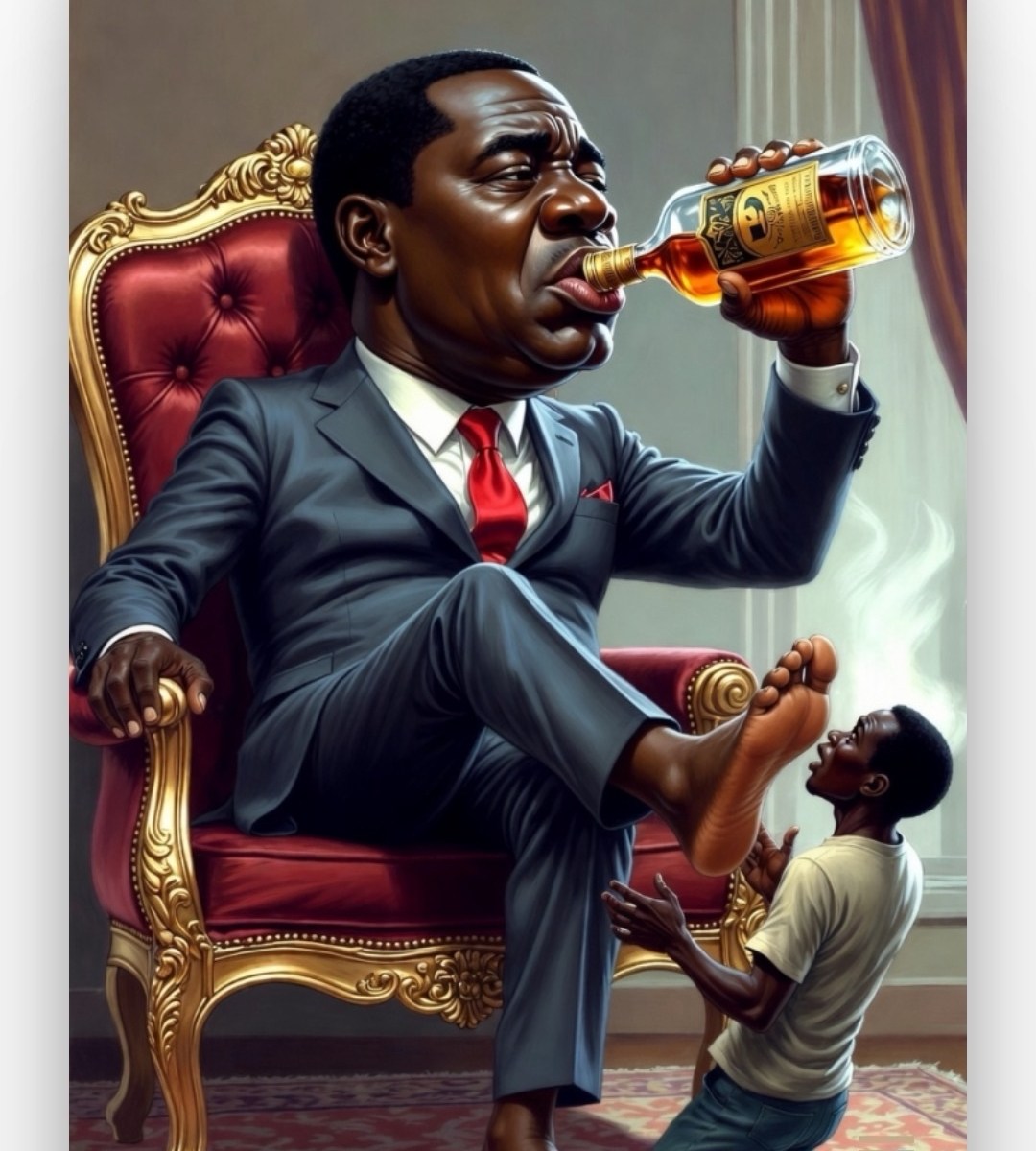
This is not merely a personality clash. It is a blot on the democratic experiment. It reveals how thin the democratic impulse runs in the organs of government and the people who staff them. Effectively, the FCT is under non-democratic governance inside a country that still insists on calling itself a democracy. The Minister acts. The Senator is sidelined. The President remains serenely above the fray. The National Assembly discovers urgent business elsewhere. The circle is complete.
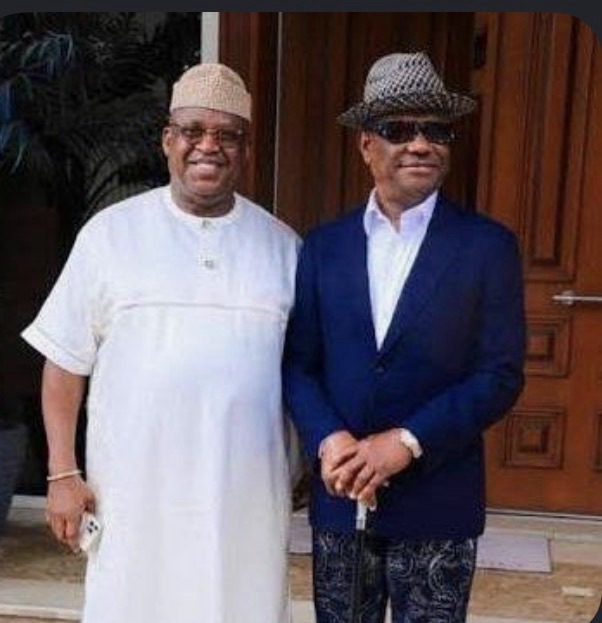
Chief Daniel Osi Orbih is dead, and Edo State’s political class has responded the way it always does when one of its own departs: with a grief so generous it retroactively forgives everything the man ever did. Orbih passed away on Monday, 31 August 2026, at the age of 64, and within hours the condolences arrived in a queue, each one more magnanimous than the last, as though the deceased had spent his career building roads rather than blocking them.
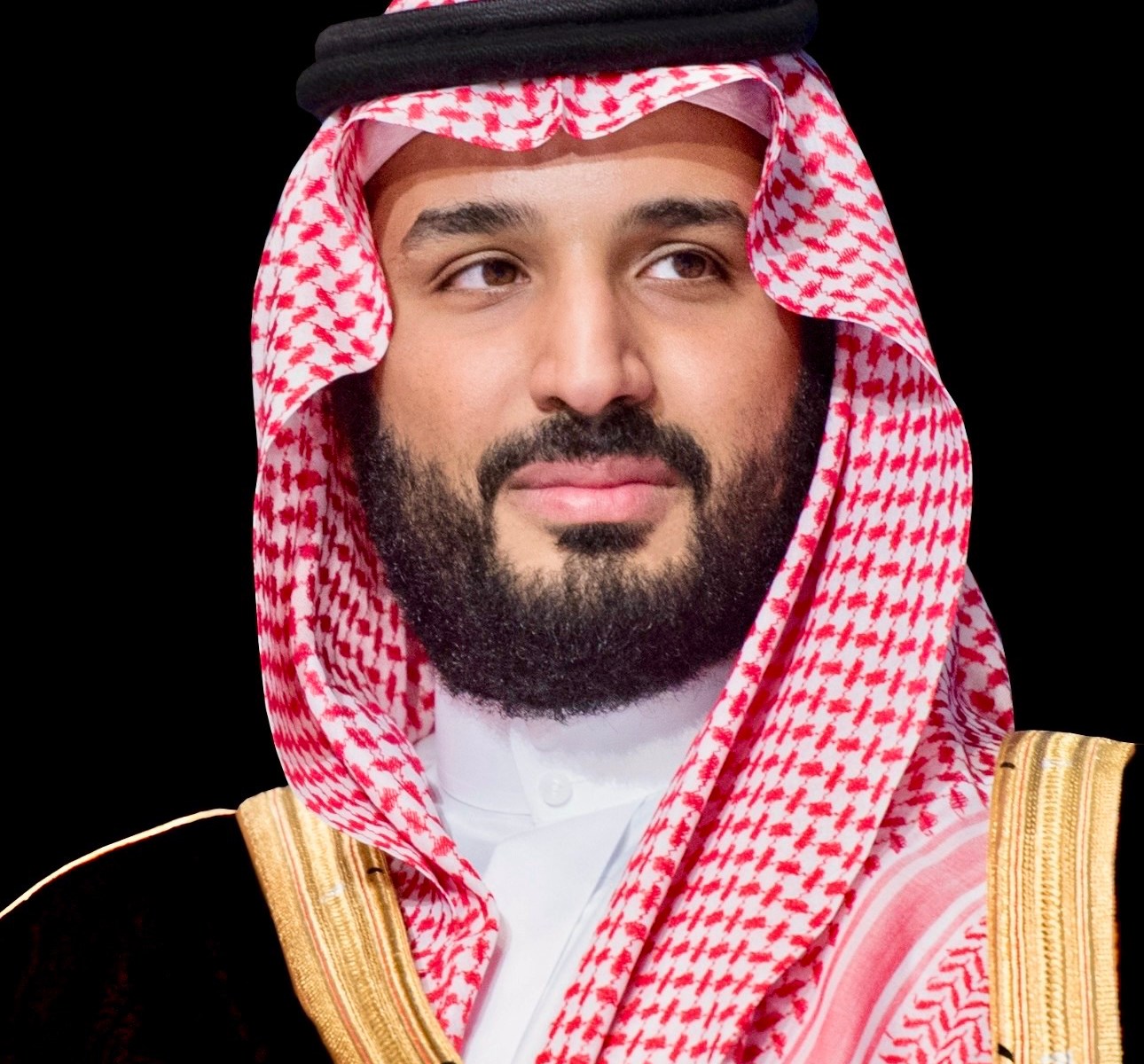
Ambassador Yakubu Gambo did Nigeria the rare courtesy of telling the truth in public, which in the diplomatic trade counts as a small scandal in itself. Standing before Abike Dabiri-Erewa at NiDCOM’s Abuja headquarters, he confirmed what families of the detained have known for years without an official ever saying it plainly: Nigerians who have finished serving their Saudi jail terms remain locked up anyway, held hostage to fines they cannot pay and a government that has not worked out how to pay them either. He framed it as a welfare concern, a matter for coordination and consolidation of diaspora associations under one umbrella. It is, more accurately, a description of a state that has run out of leverage and is calling the shortfall a strategy.

