

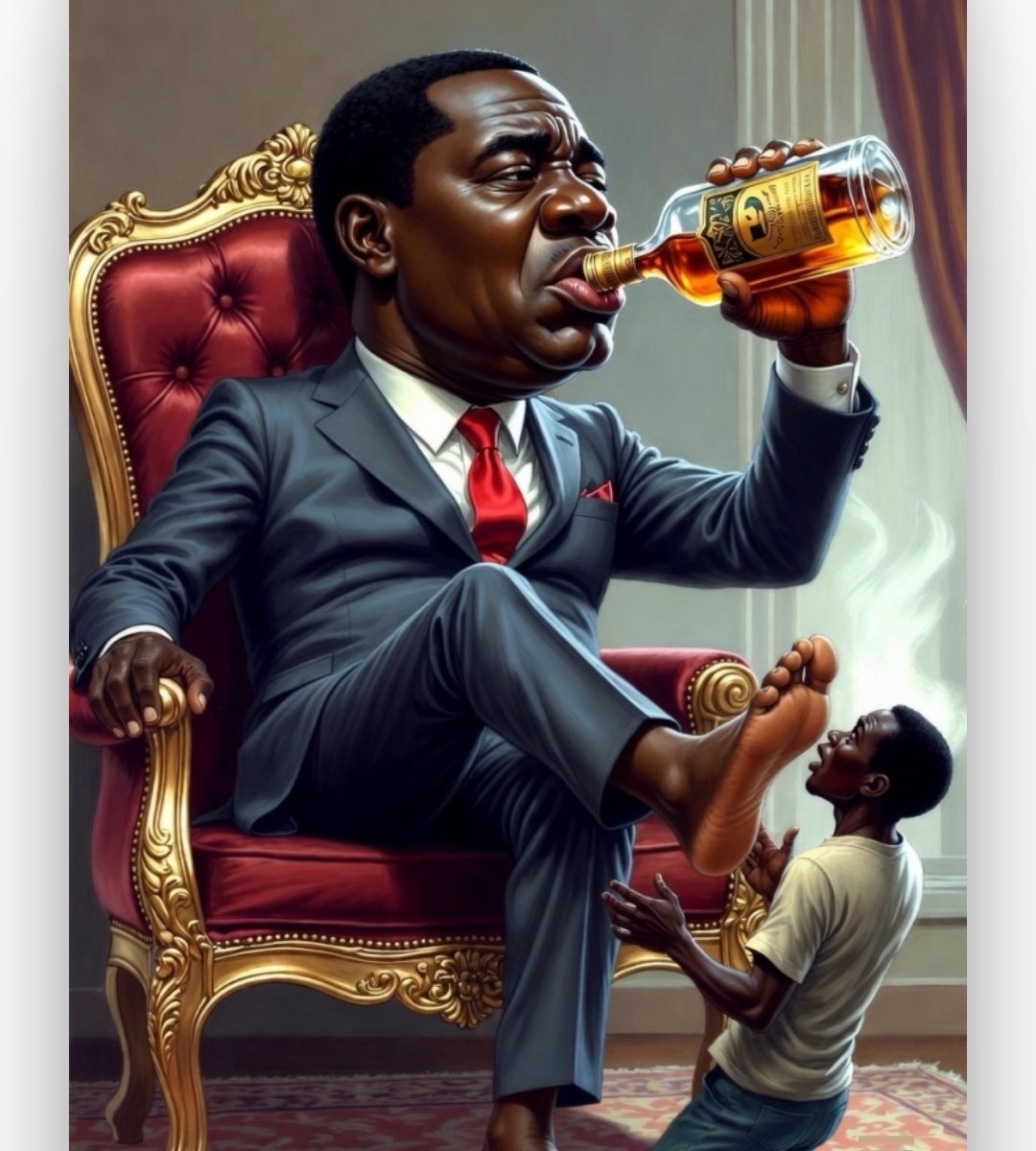
There is something almost elegant about the constitutional architecture of the Federal Capital Territory. Leadership rests with the President. He appoints a Minister to handle the day-to-day running of the city. The Minister’s democratic mandate is not his own; it is cascaded, second-hand, from the man who hired him. Oversight is meant to come through the National Assembly, Senators and Representatives who, in the absence of any House of Assembly equivalent, are the only elected voices the capital can claim. It is a tidy arrangement on paper. In practice, it has begun to resemble a particularly Nigerian form of administrative theatre: the stage is set, the actors know their lines, and nobody bothers with the script.
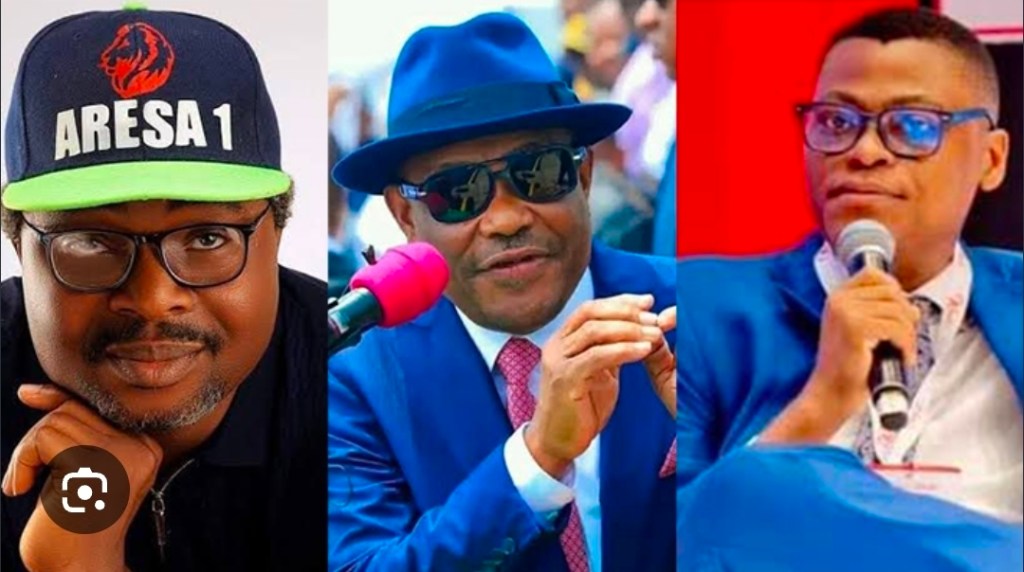
Enter Nyesom Wike, Minister of the FCT. The former Rivers State governor has, by all available evidence, decided that the Senator representing the Territory, Ireti Kingibe, is surplus to requirements. He has effectively disengaged her and with her, the legislative process itself. The President, on whose mandate the Minister stands, has shown no inclination to call him to order. The leadership of the National Assembly has likewise perfected the art of looking the other way. What remains is a capital city administered as though democratic accountability were an optional extra, rather like a spare tyre one hopes never to need.
This is not merely a personality clash. It is a blot on the democratic experiment. It reveals how thin the democratic impulse runs in the organs of government and the people who staff them. Effectively, the FCT is under non-democratic governance inside a country that still insists on calling itself a democracy. The Minister acts. The Senator is sidelined. The President remains serenely above the fray. The National Assembly discovers urgent business elsewhere. The circle is complete.
And, as these things tend to do, the tone set at the top has begun to trickle downward. Lere Olayinka, the Minister’s publicity assistant, recently appeared on live television and decided that answering a particular journalist, Rufai Oseni of Arise News, was beneath him. What followed was less a press engagement than a schoolyard display of selective deafness, performed with the easy confidence of a man who knows there will be no consequences. There will, of course, be none. His principal will not discipline him. The President will detect no injury to the fourth estate. The message is clear: the press exists to be managed, not answered.
We are, in short, marching toward an elected dictatorship with the cheerful efficiency of people who still believe the label “democracy” offers some residual protection. The FCT has become a laboratory for a particular style of rule concentrated, personal, and allergic to the inconvenience of legislative scrutiny. The capital was designed to belong to all Nigerians. Increasingly, it feels like it belongs to whoever currently holds the keys and has decided the rest of us may admire the furniture from a respectful distance.
The Constitution still sits on the shelf, looking decorative. The democratic forms remain. The substance, however, is being quietly rearranged. And the country, as usual, is worse off for it.

