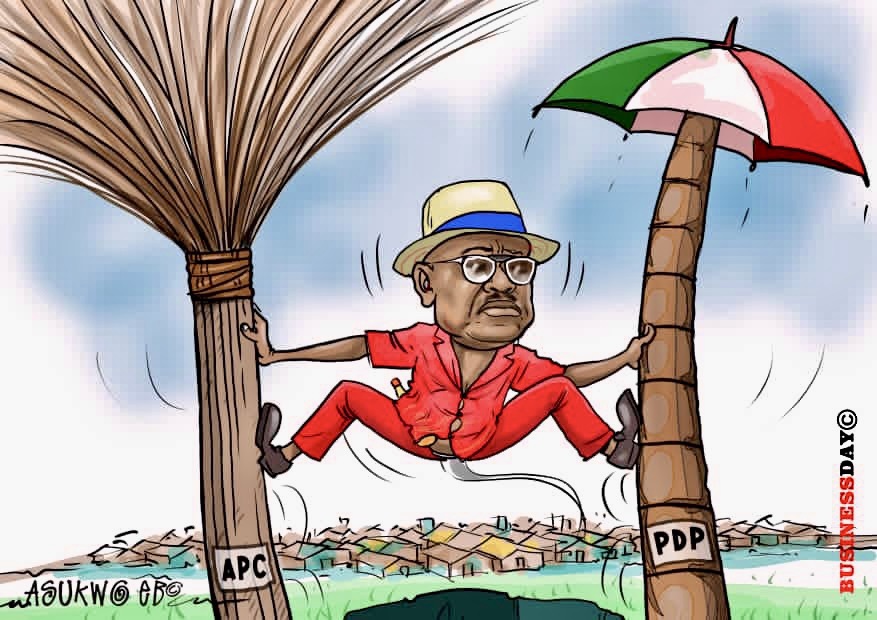
There is a striking political phenomenon in Nigerian politics: the convert can sometimes become more zealous than those who were never required to convert.
When Shell Companies, Bribes and Billion-Dollar Fantasies Meet Nigerian Bureaucracy: Lessons from P&ID (and a Cheer for Mambilla) by Lawson Akhigbe
In the grand theatre of Nigerian public life, where contracts are signed with the solemnity of wedding vows and then abandoned with the enthusiasm of a jilted lover, few dramas have rivalled the Federal Republic of Nigeria v Process & Industrial Developments Ltd saga. The 2020 English High Court decision ([2020] EWHC 2379 (Comm)) was merely the intermission. The full production, complete with bribes, perjury and a near-$11 billion bill, only reached its denouement years later. Yet that September 2020 judgment by Sir Ross Cranston remains the pivotal moment when Nigeria was allowed, against all the usual arbitration orthodoxy of finality and speed, to drag the whole rotten affair into the light.

The World Bank, Industrial Policy, and Africa by Dr Fikayo Akeredolu
If you are an African policymaker/technocrat/leader who has been following the World Bank’s development advice for the last say 30 years, this finding would shock you.
Terrorists Should Not Be Given a Broadcast Licence by Lawson Akhigbe
At the height of the Troubles in Northern Ireland, the British government imposed restrictions on the direct broadcast of the voices of leading members of the Irish Republican Army (IRA) and associated organisations. Most notably, the BBC and other broadcasters were prohibited from airing the voices of figures such as Gerry Adams, then president of Sinn Féin, which was widely regarded as the political wing of the IRA. Television stations resorted to using actors’ voices to relay statements instead.
The Anatomy of a Rigged Election: Rivers State, Electoral Legitimacy and the Dangerous Silence After the Ballot By Lawson Akhigbe
The BBC reviewed results from more than 6,000 polling stations in Rivers State. Its investigation found that the polling-unit figures it could obtain suggested that Obi had won the state by a substantial margin. The BBC also reported that Tinubu’s official declared total was more than 106,000 votes higher than its polling-station tally, while Obi’s official figure was more than 50,000 lower.