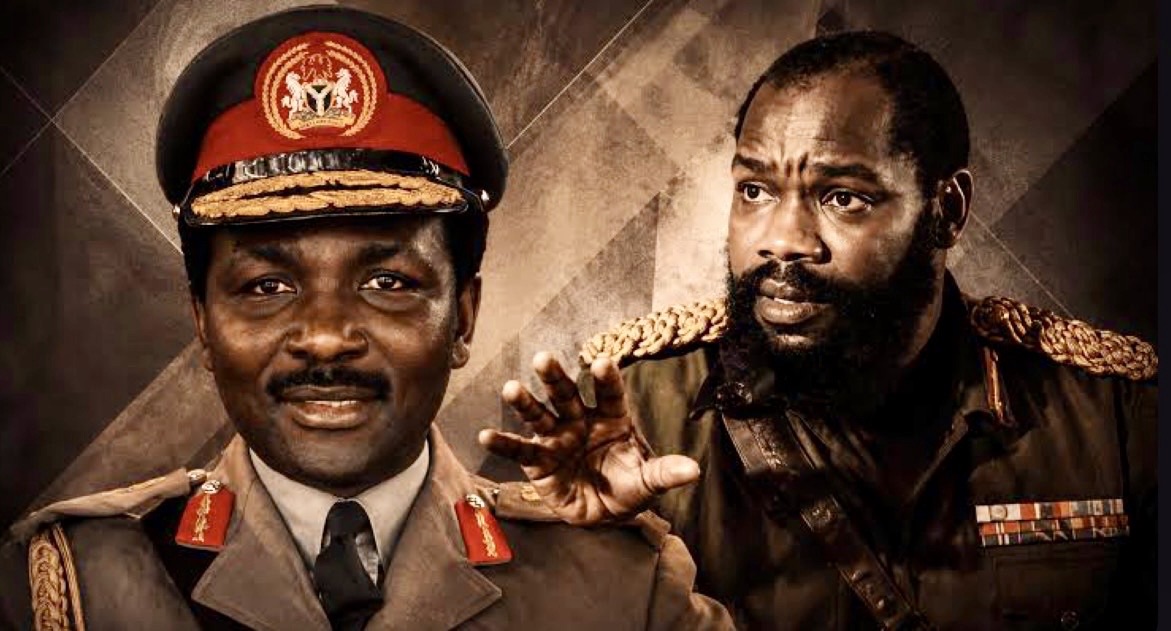
The reader will be right to expect that this book will be the biography to end all biographies and accounts of Nigeria’s chequered history through three coups and a civil war. If you are expecting any revelations from declassified documents, private papers and notes, the reader might be disappointed. The reasons is that, from the beginning, the author confesses that: I want to emphasise that I am telling my story without access to my crucial personal records since many important documents taken from my desk after my removal in July 1975 were discarded by those who succeeded me. Other documents that survived were destroyed by two fire incidents in Bakori and Kaduna(xxi). Yet, none of this diminishes the book which obviously was written straight from whatever he could remember.
THE FOUR THEATRES: A GUIDE TO AFRICA’S ATROCITY CIRCUIT By Lawson Akhigbe
There is a peculiar comfort in cartography. Draw a line around a catastrophe, label it, and it becomes something one can point to on a map rather than something one must answer for. Africa, in the twenty-first century, has been organised into four such catastrophes with the tidiness of a continental league table the Great Lakes, the Horn, the Sudans, and the Sahel each running its own fixture list of massacre, displacement and denial, each independently promoted from "concern" to "crisis" to "protracted emergency" without ever being relegated back down to "peace."
The Sky Becomes a Minefield: How Drone Swarms Are Ending the Age of Air Superiority by Gandalv
NN reports that the pilot of a U.S. Air Force F-15E Strike Eagle, shot down over Iran in April, described a sight that immediately triggered debate inside the U.S. Intelligence Community: multiple Iranian drones in the air, apparently interconnected or coordinated, moving as one. One source described larger drones with smaller drones beneath them, “like legs.” Another described it as a “minefield of drones” in the sky.
Boko Haram Ransom Tactics: A Multi-Faceted Comparison in the Context of Nigeria’s “Starve the Beast” Dilemma
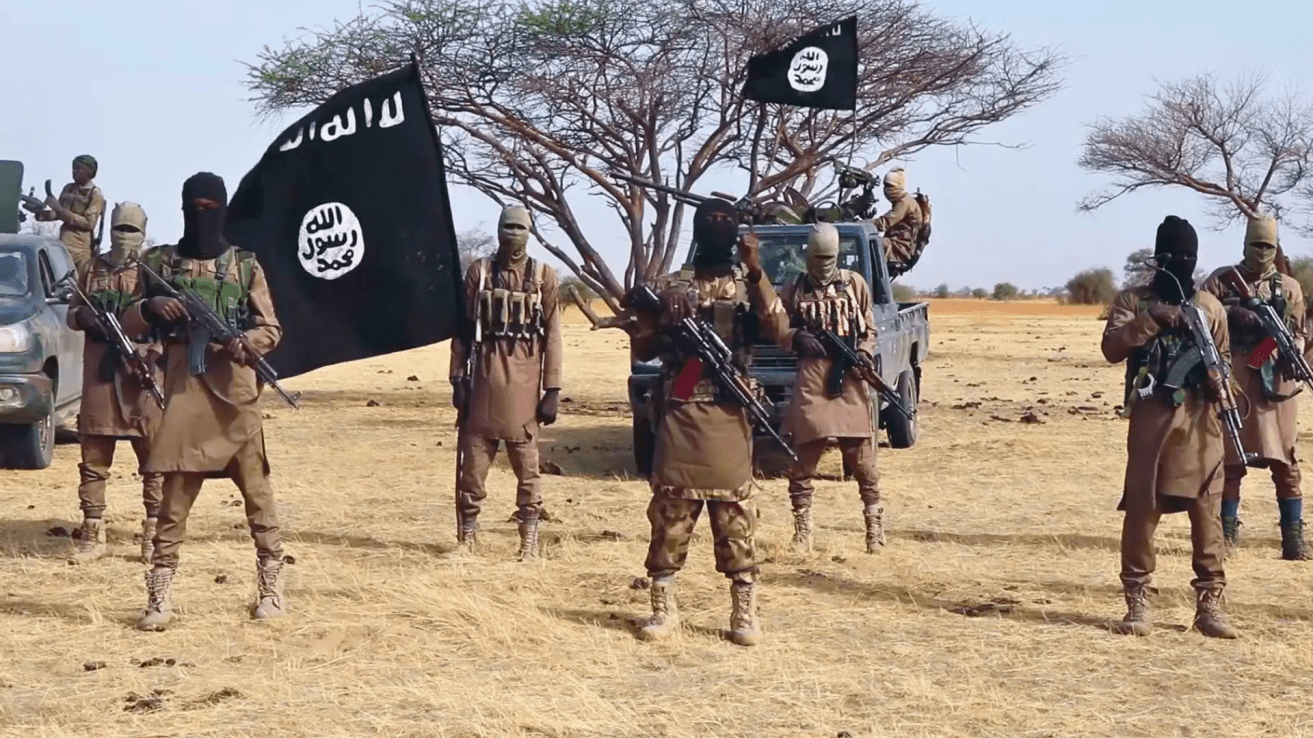
Boko Haram’s kidnapping-for-ransom (KfR) tactics exemplify the shift Lawson Akhigbe describes in his April 2026 article: modern Nigerian insurgencies as “grotesque startups” where cash flow, not conviction, sustains the beast. What began as opportunistic grabs for foreign hostages evolved into a sophisticated, multi-purpose revenue engine intertwined with ideology, propaganda, recruitment, and psychological warfare. Yet factional splits, territorial losses, and competition with purely criminal bandits have diversified and, in some ways, industrialized these tactics. This analysis compares Boko Haram’s (Jama’atu Ahl as-Sunnah li-Da’awati wal-Jihad, or JAS, under Abubakar Shekau’s legacy) approaches to its ISWAP splinter, to northwestern bandits, and to historical/contemporary parallels (FARC, Somali pirates, AQIM). It draws on evolution, methods, motivations, outcomes, and policy implications—highlighting nuances like gendered violence, government complicity, and the high human cost of “starve the beast” strategies.
UPDATE: Security Failures, Inside Moles, and the Death of a Terrorist Kingpin
The 2021 terrorist invasion of the Nigerian Defence Academy (NDA) which Farooq Kperogi rightly labeled an unprecedented humiliation gradually unraveled through subsequent military and intelligence investigations. The findings confirmed the public's worst fears: the nation's premier military university was undermined by severe operational negligence and internal compromise.