When “National Security” Becomes a Weapon Against Social Security by Lawson Akhigbe
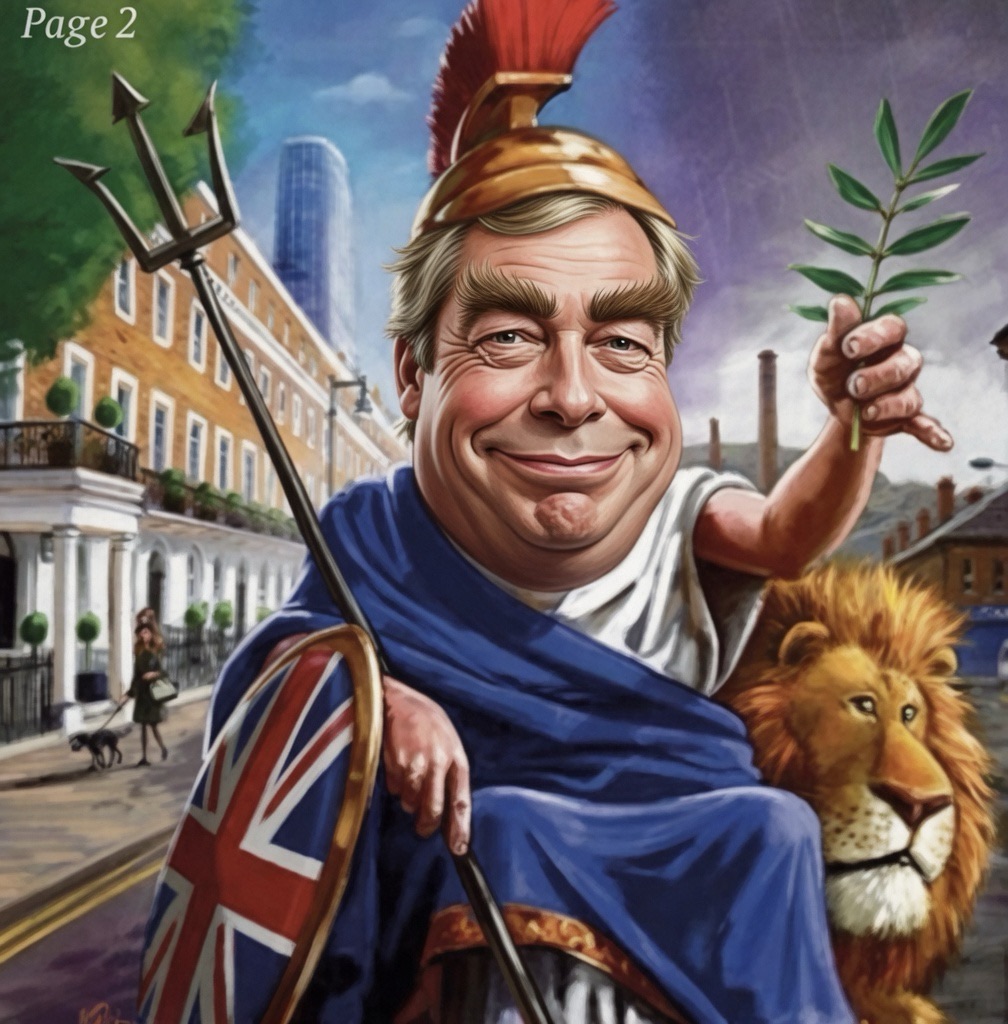
There is an old British political habit which deserves rather more scrutiny than it usually receives: when governments want the public to accept an uncomfortable policy, they wrap it in the Union Jack and call it national security.

State Police in Nigeria: Between Constitutional Necessity and Historical Fear by Lawson Akhigbe

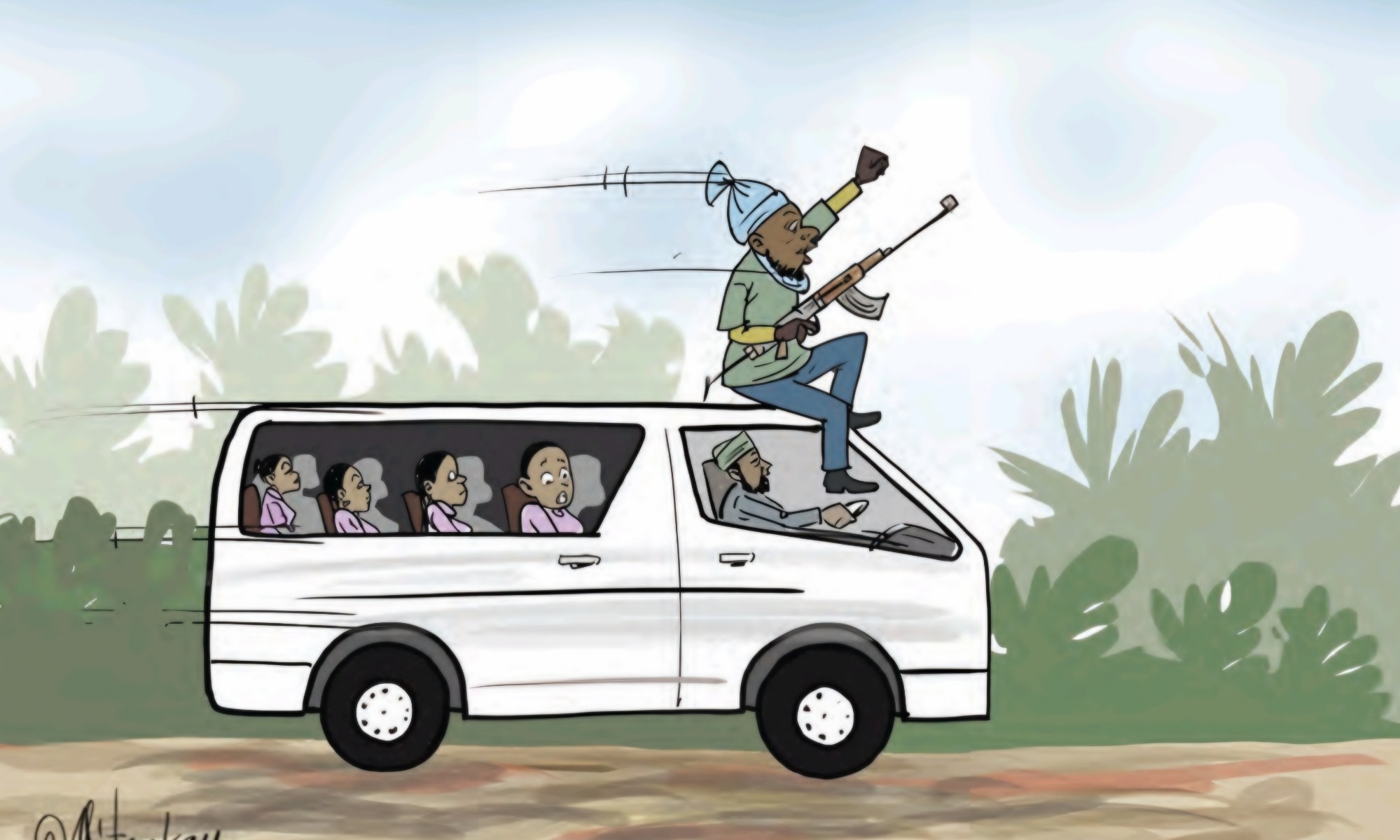
Nigeria is once again standing at a constitutional crossroads. The growing insecurity across the federation, from banditry in the North-West, secessionist violence in the South-East, kidnapping in the South-South, farmer-herder clashes in the Middle Belt, and urban criminality in Lagos and Abuja, has pushed the debate over state police from intellectual seminars into the centre of national survival.

Did You Tell Them to Rescue the Kidnapped? Nigeria’s Politicians, Generals and the Confusion Between Policy and Operations by Lawson Akhigbe

There are some moments in political history that survive long after the politicians involved have left office. Not because of a great speech. Not because of a great policy. But because somebody asked a very simple question and refused to let it escape through the nearest political fire exit.

No Victor, No Vanquished? Gowon’s Memoir Reopens Biafra’s Bloody Ledger by MARCEL MBAMALU

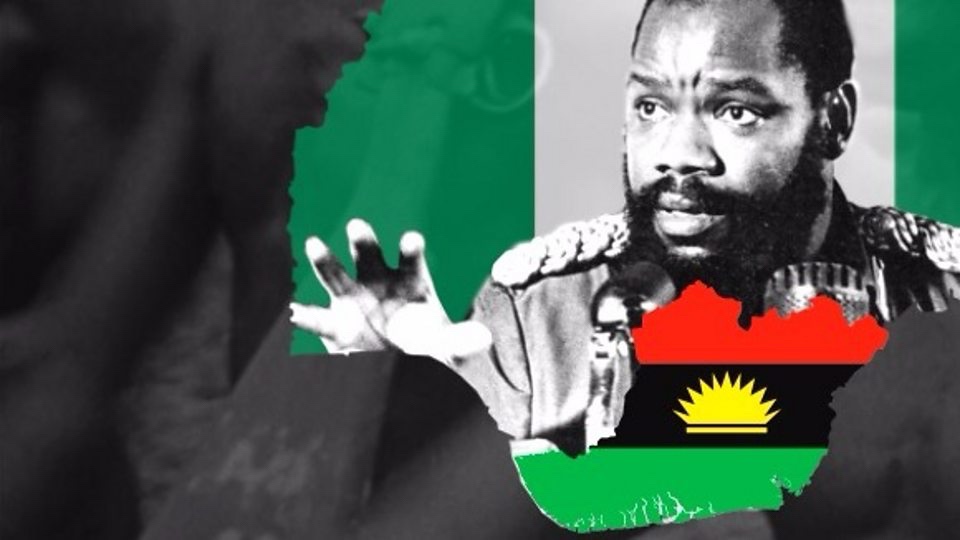
His new memoir, “My Life of Duty and Allegiance”, points a finger from the grave of history at Chukwuemeka Ojukwu — accusing the dead Biafran leader of lying about Aburi, arming the East for war, and dragging Nigeria into bloodshed. Ojukwu, buried since 2011, cannot answer.

Rejoinder: BOOK REVIEW: Yakubu Gowon’s “My Life of Duty and Allegiance”, – Aburi Accord failed due to federal backtracking, not Ojukwu’s intransigence,’ says Onoh by Oluyemi Ogunseyin

Drawing from over a decade of deep, personal discussions with his late brother-in-law, Ojukwu, in his private residence and office, as well as his personal interactions with late Col. Achuzie and particularly his 1998–1999 conversations with late Maj. Gen. Philip Effiong, Onoh said his narrative is a firsthand account of the events.