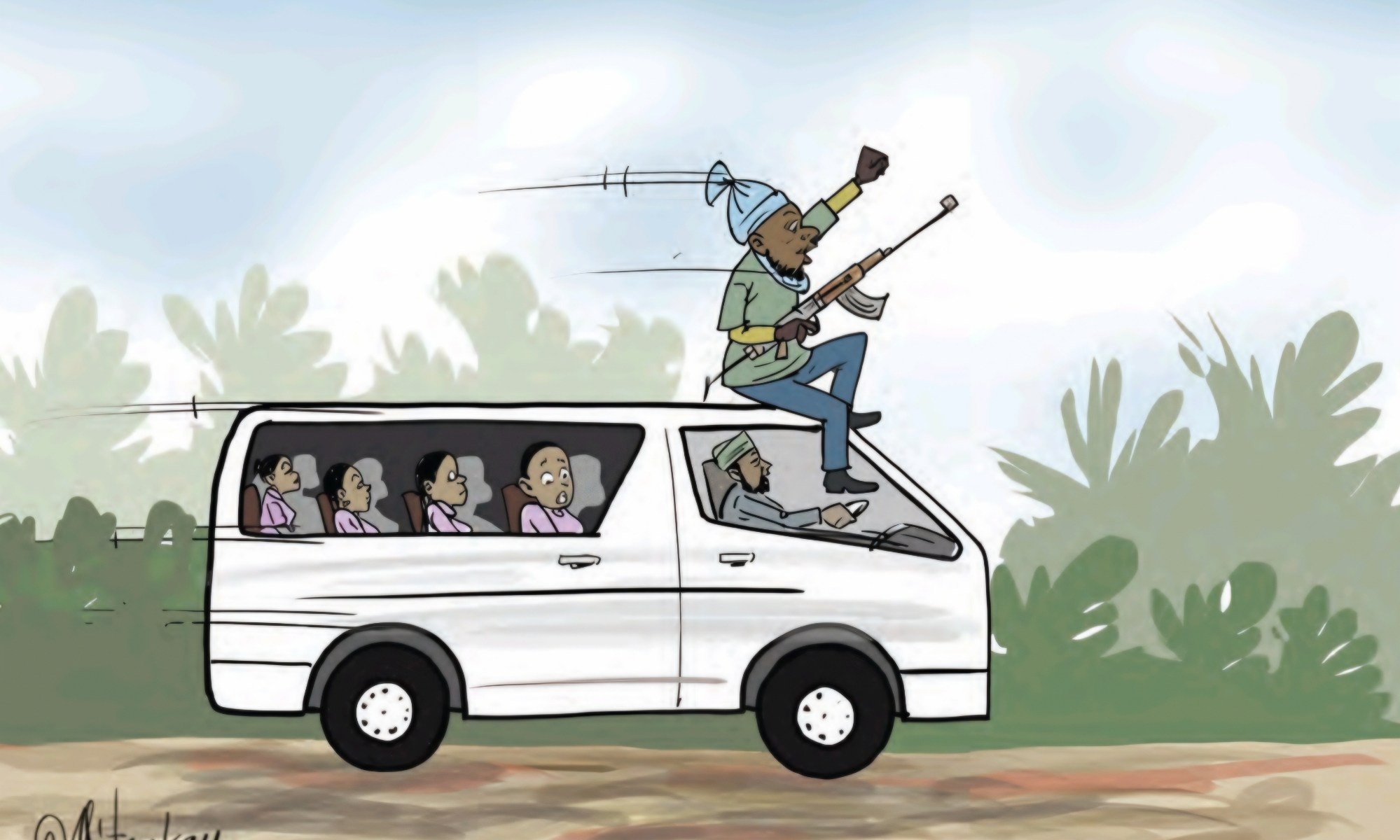
Nigeria is once again standing at a constitutional crossroads. The growing insecurity across the federation, from banditry in the North-West, secessionist violence in the South-East, kidnapping in the South-South, farmer-herder clashes in the Middle Belt, and urban criminality in Lagos and Abuja, has pushed the debate over state police from intellectual seminars into the centre of national survival.
A Trillion-Dollar Economy, But Whose Nigeria? By Lawson Akhigbe
President Bola Ahmed Tinubu and his APC government have proclaimed an ambition to build a one-trillion-dollar Nigerian economy.
Did You Tell Them to Rescue the Kidnapped? Nigeria’s Politicians, Generals and the Confusion Between Policy and Operations by Lawson Akhigbe
There are some moments in political history that survive long after the politicians involved have left office. Not because of a great speech. Not because of a great policy. But because somebody asked a very simple question and refused to let it escape through the nearest political fire exit.
THE FOUR THEATRES: A GUIDE TO AFRICA’S ATROCITY CIRCUIT By Lawson Akhigbe
There is a peculiar comfort in cartography. Draw a line around a catastrophe, label it, and it becomes something one can point to on a map rather than something one must answer for. Africa, in the twenty-first century, has been organised into four such catastrophes with the tidiness of a continental league table the Great Lakes, the Horn, the Sudans, and the Sahel each running its own fixture list of massacre, displacement and denial, each independently promoted from "concern" to "crisis" to "protracted emergency" without ever being relegated back down to "peace."
Boko Haram Ransom Tactics: A Multi-Faceted Comparison in the Context of Nigeria’s “Starve the Beast” Dilemma
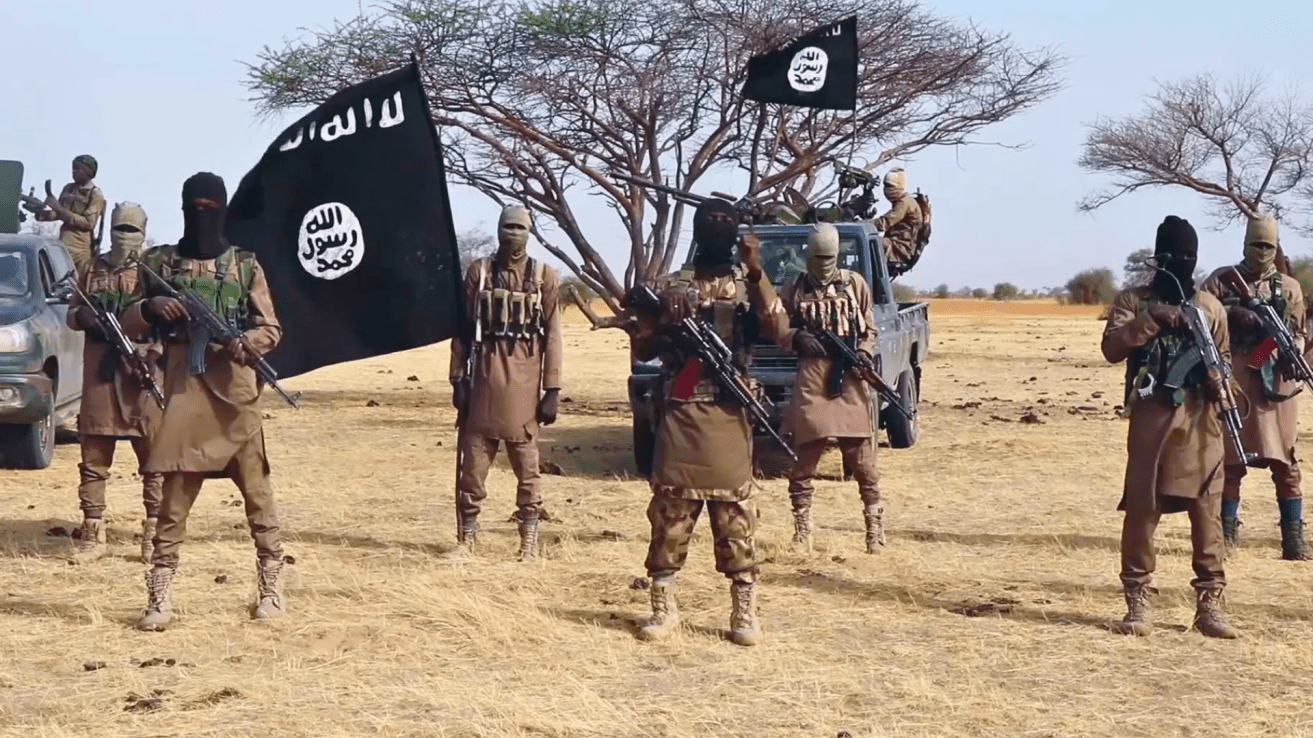
Boko Haram’s kidnapping-for-ransom (KfR) tactics exemplify the shift Lawson Akhigbe describes in his April 2026 article: modern Nigerian insurgencies as “grotesque startups” where cash flow, not conviction, sustains the beast. What began as opportunistic grabs for foreign hostages evolved into a sophisticated, multi-purpose revenue engine intertwined with ideology, propaganda, recruitment, and psychological warfare. Yet factional splits, territorial losses, and competition with purely criminal bandits have diversified and, in some ways, industrialized these tactics. This analysis compares Boko Haram’s (Jama’atu Ahl as-Sunnah li-Da’awati wal-Jihad, or JAS, under Abubakar Shekau’s legacy) approaches to its ISWAP splinter, to northwestern bandits, and to historical/contemporary parallels (FARC, Somali pirates, AQIM). It draws on evolution, methods, motivations, outcomes, and policy implications—highlighting nuances like gendered violence, government complicity, and the high human cost of “starve the beast” strategies.