Boko Haram Ransom Tactics: A Multi-Faceted Comparison in the Context of Nigeria’s “Starve the Beast” Dilemma

Boko Haram’s kidnapping-for-ransom (KfR) tactics exemplify the shift Lawson Akhigbe describes in his April 2026 article: modern Nigerian insurgencies as “grotesque startups” where cash flow, not conviction, sustains the beast. What began as opportunistic grabs for foreign hostages evolved into a sophisticated, multi-purpose revenue engine intertwined with ideology, propaganda, recruitment, and psychological warfare. Yet factional splits, territorial losses, and competition with purely criminal bandits have diversified and, in some ways, industrialized these tactics. This analysis compares Boko Haram’s (Jama’atu Ahl as-Sunnah li-Da’awati wal-Jihad, or JAS, under Abubakar Shekau’s legacy) approaches to its ISWAP splinter, to northwestern bandits, and to historical/contemporary parallels (FARC, Somali pirates, AQIM). It draws on evolution, methods, motivations, outcomes, and policy implications—highlighting nuances like gendered violence, government complicity, and the high human cost of “starve the beast” strategies.

Irish War of Independence vs Irish Civil War: What’s the Difference? By Fearghal Fitzgibbon

The War of Independence followed on from the unsuccessful Easter Rising in 1916. While the Rising had little support from the Irish population, the British crackdown hardened public opinion against British rule. Subsequent events such as the Conscription Crisis helped Sinn Féin, an Irish nationalist party, to a landslide victory in the 1918 general election. Establishing their own parliament, Dáil Éireann, they declared independence while the Irish Republican Army (IRA) fought a guerrilla campaign across the island.

Trump’s con-artist history by Lawson Akhigbe

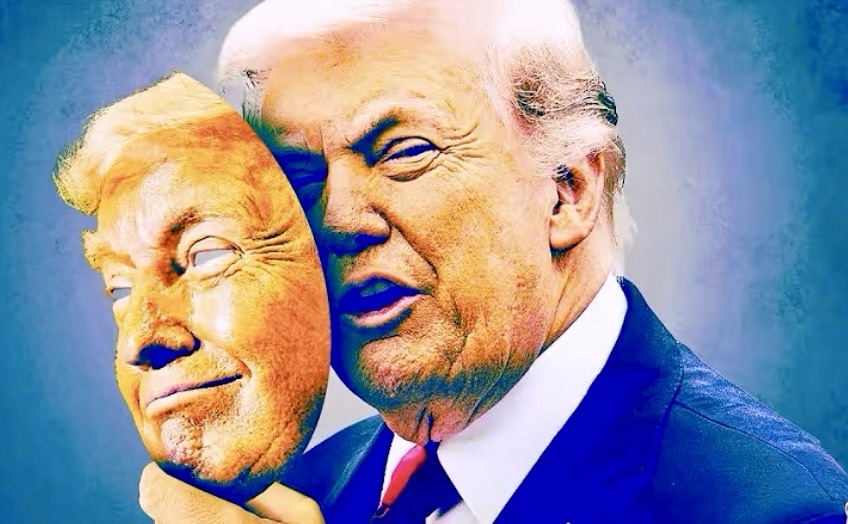
Trump’s business career has long been characterized as embodying “con-artist” tactics: aggressive promotion, leveraging his personal brand for high-margin or low-substance ventures, heavy debt leverage, selective truth-stretching in marketing, and frequent legal disputes.

Wike’s political patronage history by Lawson Akhigbe

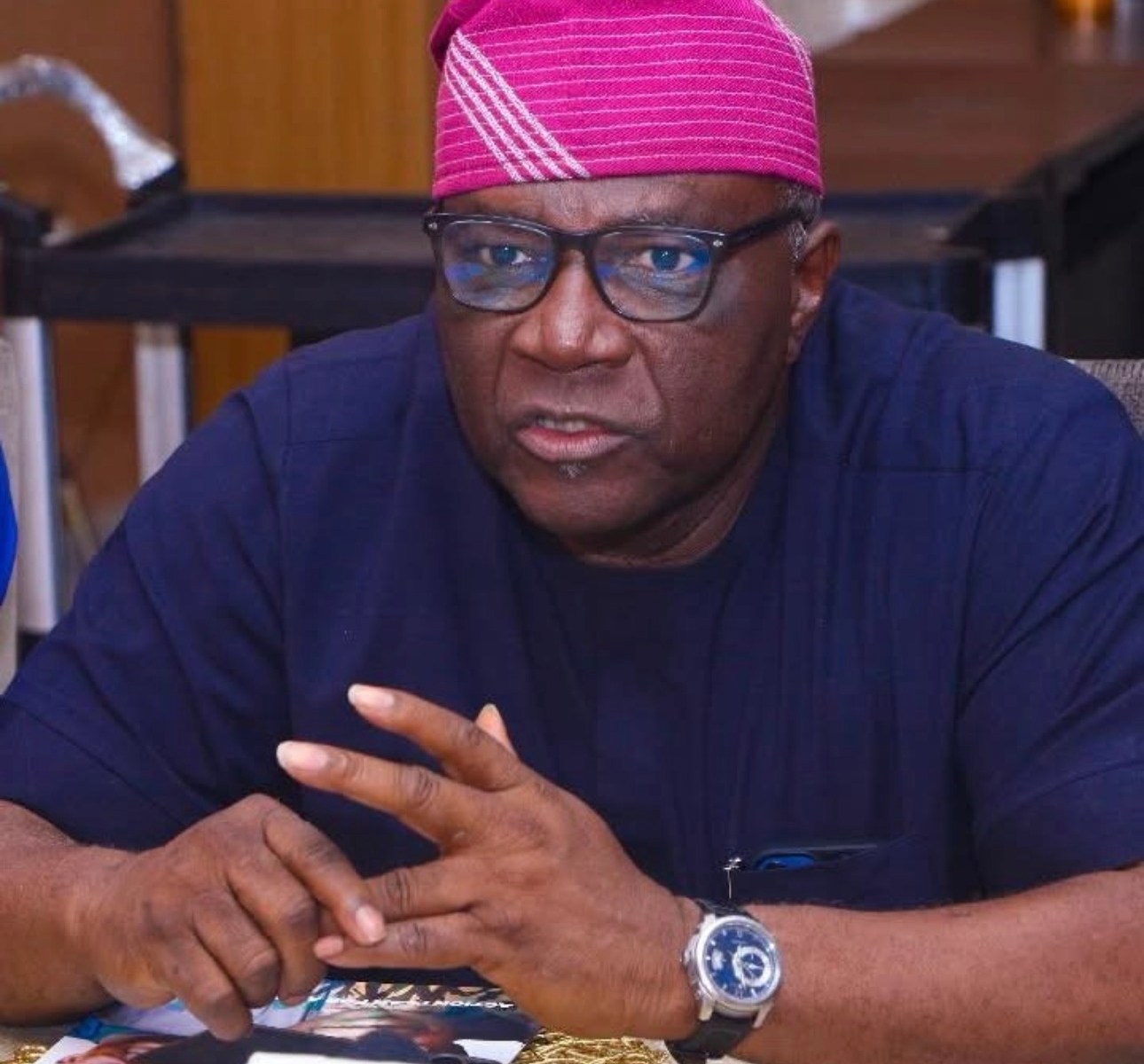
Nyesom Ezenwo Wike (born 1967), a Nigerian lawyer and politician from the Ikwerre ethnic group in Rivers State, exemplifies the dynamics of political patronage, godfatherism, loyalty, and power consolidation in Nigeria’s Fourth Republic. His career trajectory, from local government chairman to state governor and federal minister, highlights how personal networks, resource control (especially oil-derived revenues), strategic alliances, and public confrontations shape Nigerian politics.

Britannia Waives the Rules: Reform UK Ltd and the Audacity of the Uncomplicatedly Delusional By Lawson Akhigbe

There is a particular kind of political confidence that is indistinguishable, to the untrained eye, from clinical detachment from reality. It is the confidence of a man who, having just won a hand at poker, concludes that the laws of probability no longer apply to him. It announces itself loudly, dresses in a flag, and mistakes the echo of its own voice for the applause of nations. Ladies and gentlemen, Reform UK Ltd has had a good week at the local elections, and the results are as instructive as they are alarming, not merely because Nigel Farage’s vehicle of nationalist ambition has won council seats, but because winning appears to have emboldened the party to say the quiet parts of its manifesto even louder, with the serene self-assurance of people who have never had to read a treaty.