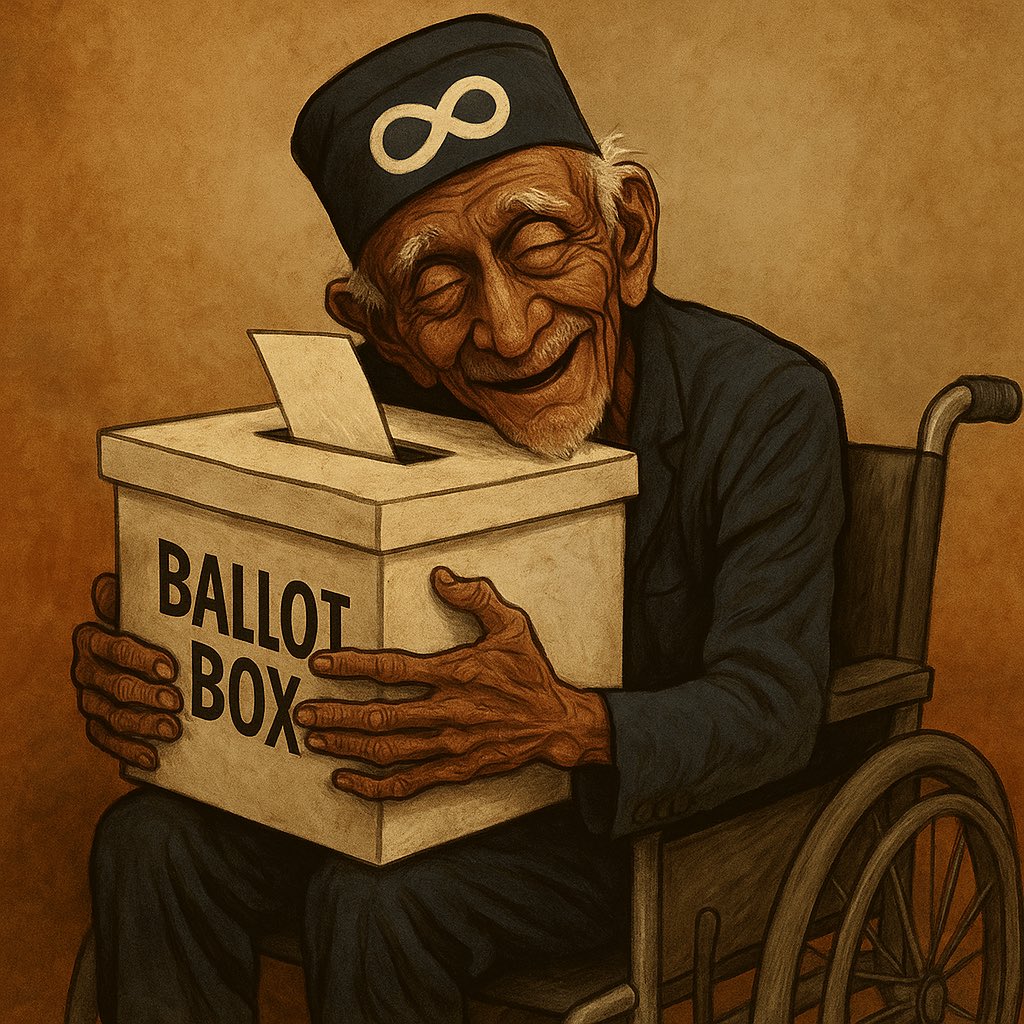
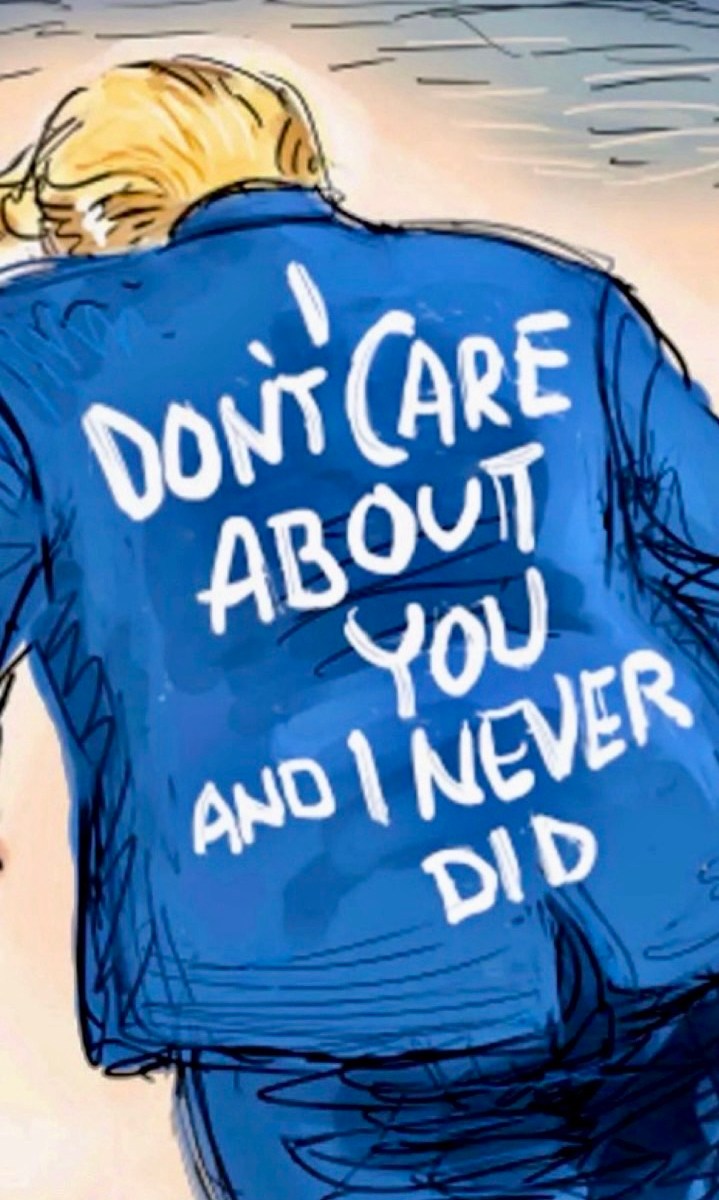
Nigeria has seen this political movie before. The costumes have changed, the actors have acquired new titles, and the language of justification has become more sophisticated. But beneath the democratic vocabulary lies a familiar ambition: the concentration of political power in the hands of one man, the weakening of opposition, and the conversion of a multiparty democracy into a political arrangement in which everybody is expected to agree with the president.
When Journalists Become Political Courtiers and Interviews Become Political Theatre By Lawson Akhigbe
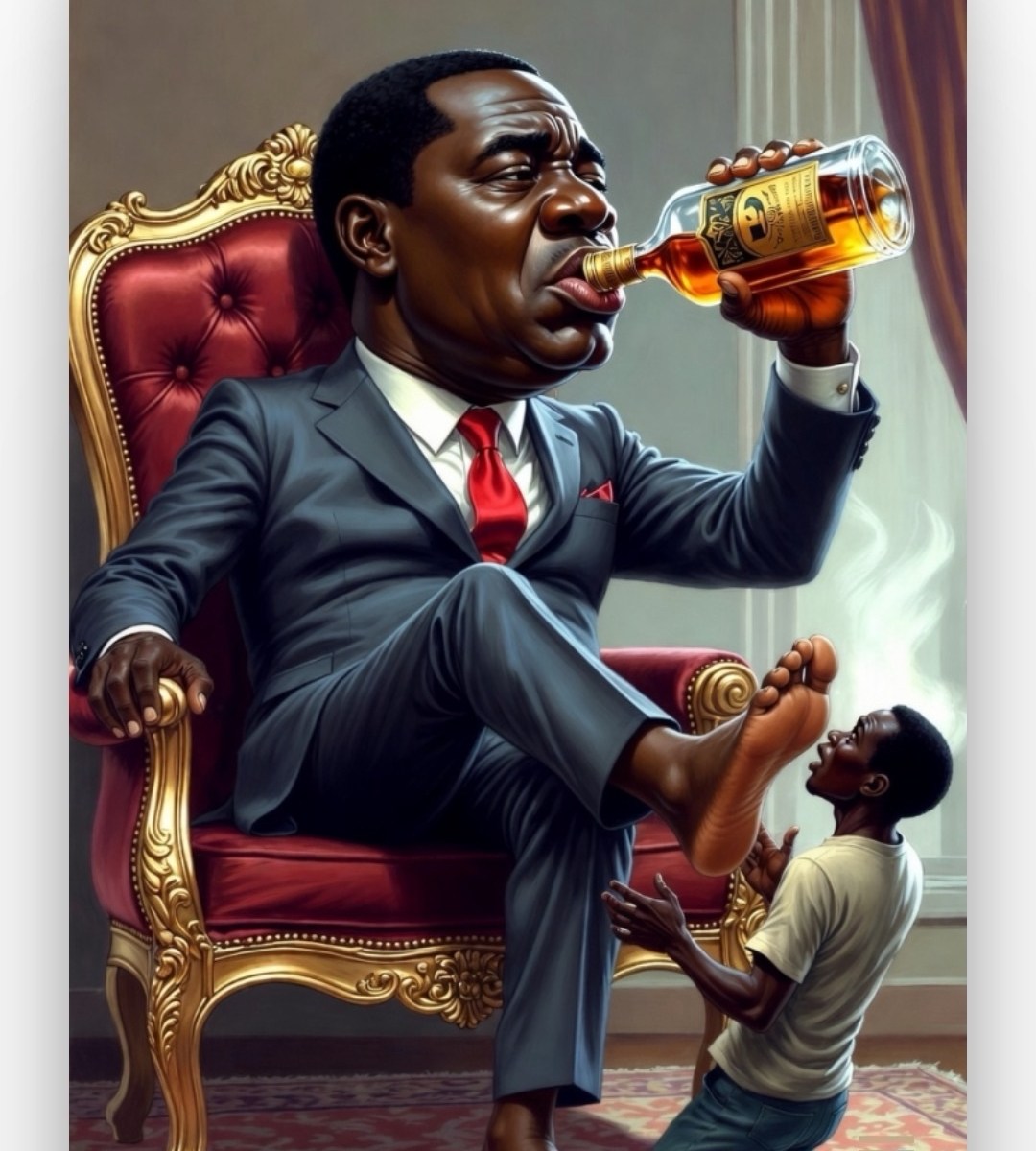
A democracy does not always die at the barrel of a gun. Sometimes, it dies beneath television studio lights, while journalists entrusted with holding power accountable sit silently as politicians explain why nobody can hold them accountable.
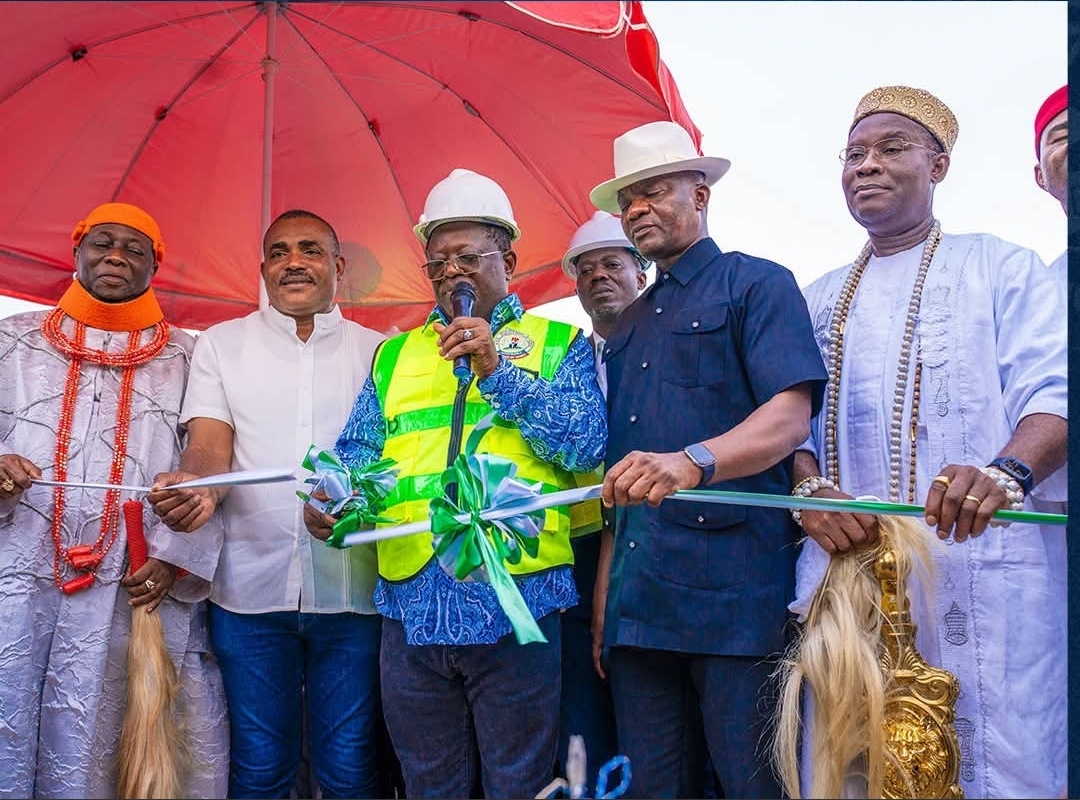
David Umahi’s Bridge to State Capture: Christian Prayers, Tinubu’s Portraits and the Privatisation of Public Power By Lawson Akhigbe
The First Niger Bridge belongs to Nigeria. It does not belong to David Umahi, Bola Tinubu, the All Progressives Congress or any religious congregation.
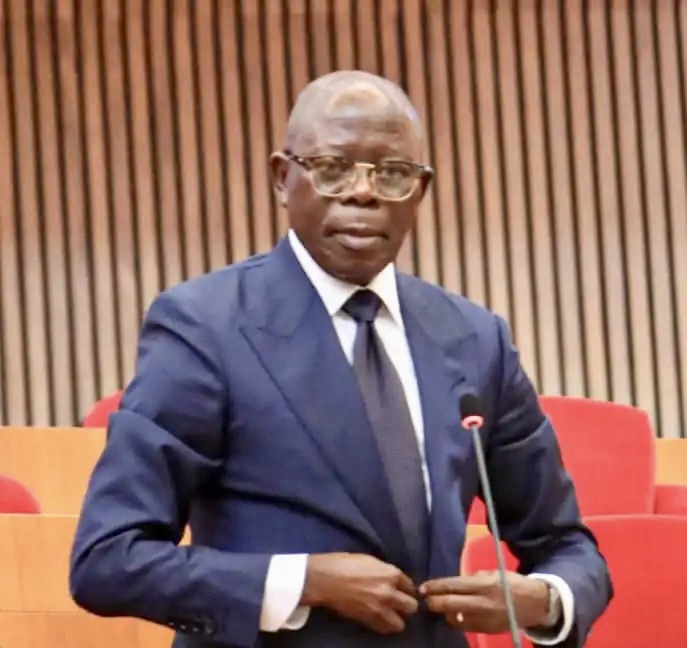
The Barrister Who Never Went to Law School: Adams Oshiomhole and the Art of Speaking from Both Sides of the Mouth by Lawson Akhigbe
Adams Oshiomhole is that rare Nigerian political specimen who managed to climb from factory floor to labour presidency, state house, party chairmanship and the red chamber without the inconvenience of a published higher educational attainment. Self-taught, they say. One imagines him in some dimly lit corner of history, devouring political manuals by candlelight while the rest of his compatriots were busy collecting certificates that later proved about as useful as a raincoat in the Sahara.
The 3pm Call: America’s Midterm Test of Judgment
It was 2008. The country was being asked to choose a president, and Clinton’s famous campaign advertisement presented the image of sleeping children, a ringing telephone in the White House and a question: Who do you want answering the phone?