BEAN TO BRAND, TARIFF TO TRAP by Lawson Akhigbe

Next in Abuja, four governments will do something that sounds, on paper, like a belated act of economic self-respect. Nigeria, Ghana, Côte d'Ivoire and Cameroon between them the source of roughly two-thirds of the cocoa that becomes the world's chocolate will sign the Abuja Declaration and stand up a Cocoa Value Addition Alliance, a coordinated attempt to stop shipping out raw beans and start capturing some of the value that currently accrues, almost entirely, to everyone else. Nigeria will additionally sign its own Cocoa Value Addition Accord, a domestic compact roping in governors, farmer groups, financiers and researchers into the project of turning bean into brand rather than bean into someone else's bar.

Tinubu, the Sahel and Nigeria’s Most Dangerous Foreign Policy Failure

There was a time when Nigeria did not wait for foreign capitals to define West African security. From the anti-apartheid struggle in Southern Africa to military interventions in Liberia and Sierra Leone, Nigeria projected power, influence and diplomatic leadership. Whether one agreed with its methods or not, nobody doubted who was leading.

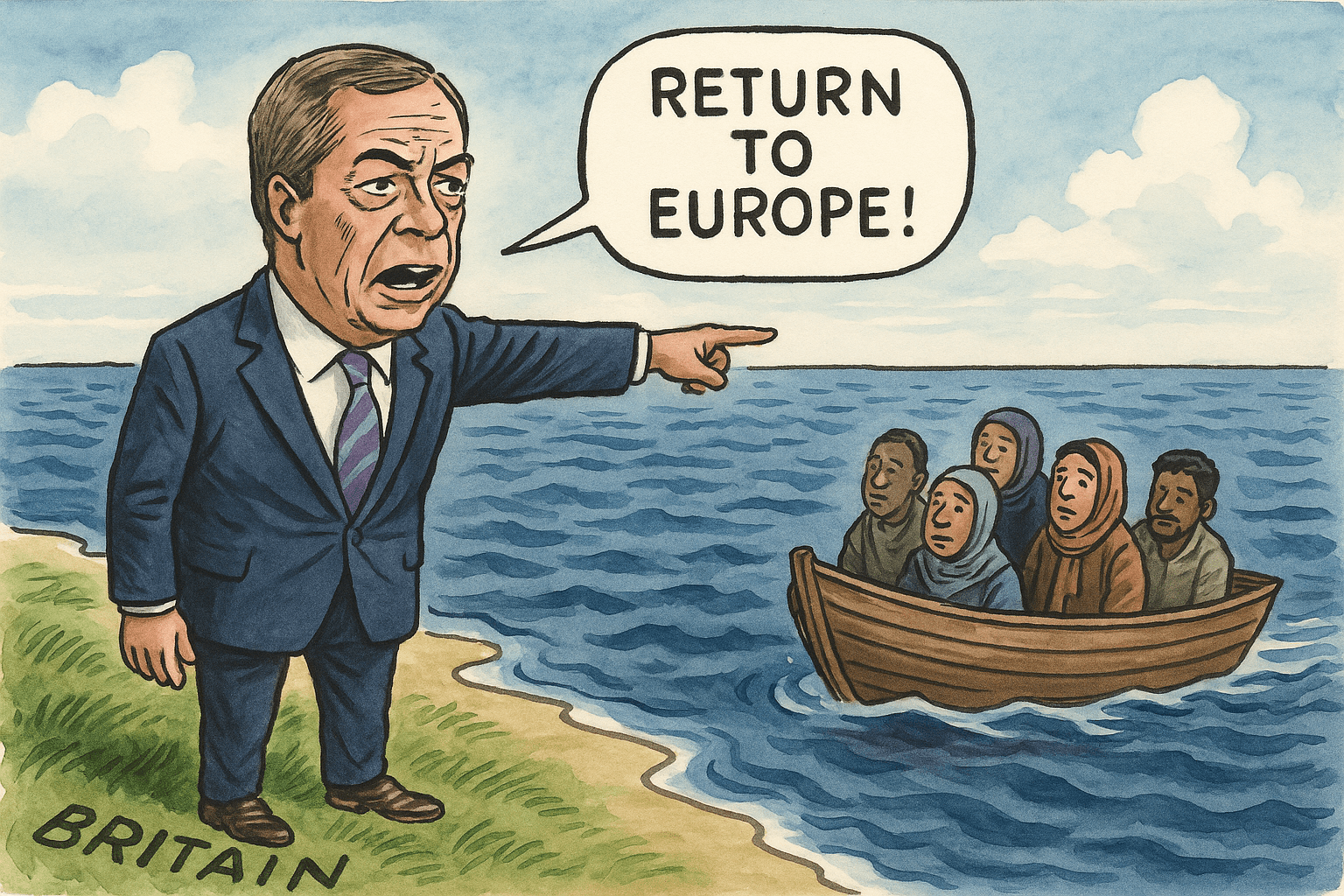
Schrödinger’s Immigrant: The Convenient Villain for Every Failure by Lawson Akhigbe

The immigrant today exists simultaneously as two incompatible creatures. On one hand, he is portrayed as a lazy welfare dependent draining public resources, crowding hospitals, filling council housing lists and surviving on benefits paid by hardworking natives. On the other hand, that same immigrant is somehow an unstoppable economic superhuman taking all the jobs, dominating industries, suppressing wages and outcompeting local workers in both skilled and unskilled sectors.

The Tariff Trap: How Africa Was Turned Into a Warehouse for Raw Materials by Lawson Akhigbe

Long before many African nations even gained independence, an international economic architecture had already been designed to ensure Africa remained primarily a supplier of raw materials while Europe and other industrial powers controlled manufacturing, branding, finance and ultimately the profits.